-
Image

-
Publish in core platform
Yes
-
Link Type
Organization url
-
Target audience
Digital skills for allDigital technology / specialisation
SoftwareDigital skill level
BasicGeographic Scope - Country
MaltaIndustry - Field of Education and Training
Generic programmes and qualifications not further definedType of initiative
Local initiative
Type of Funding
Public
Still image
 Skip to content

Malta Digital Skills and Jobs Platform (LISP)


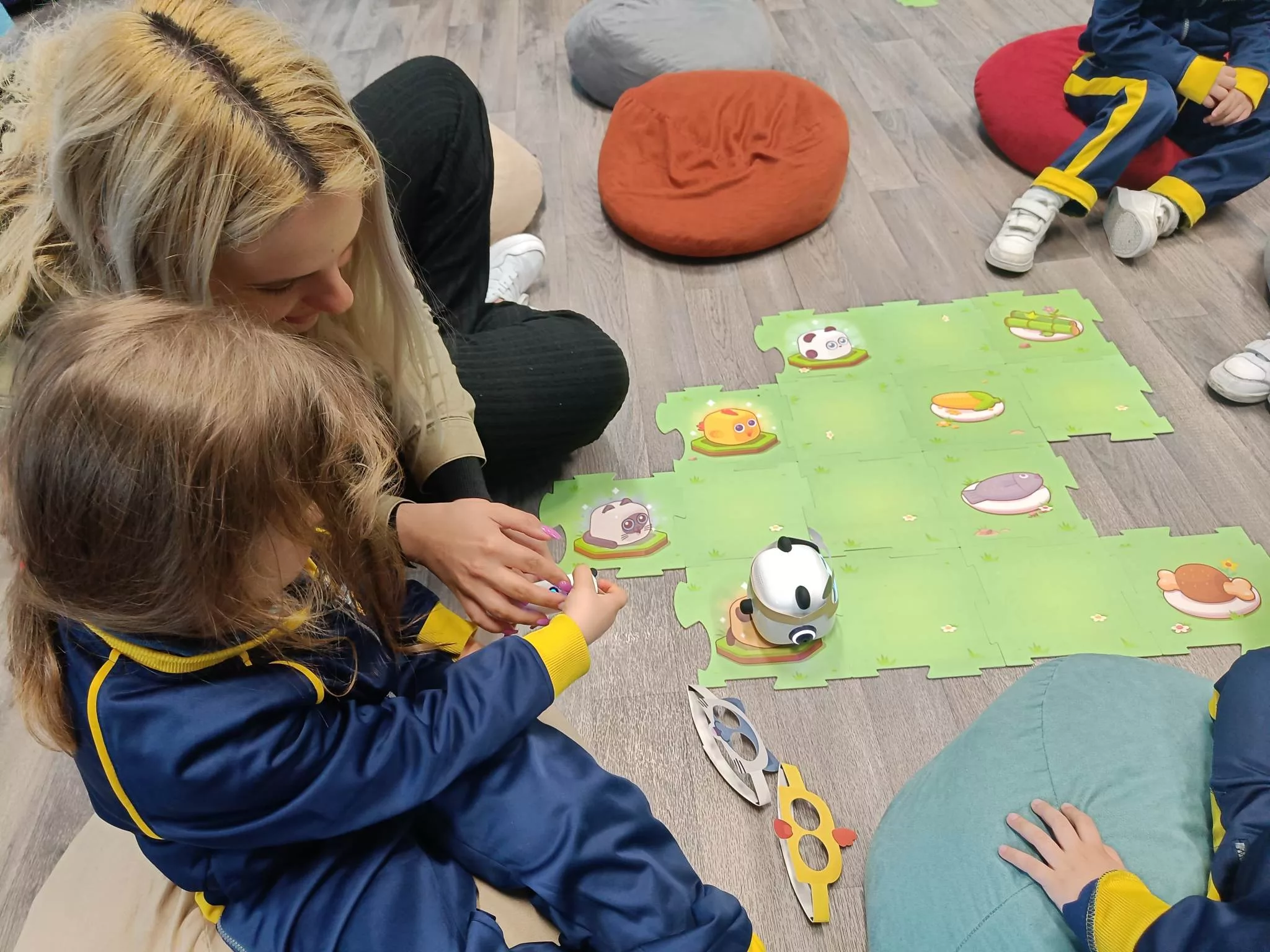
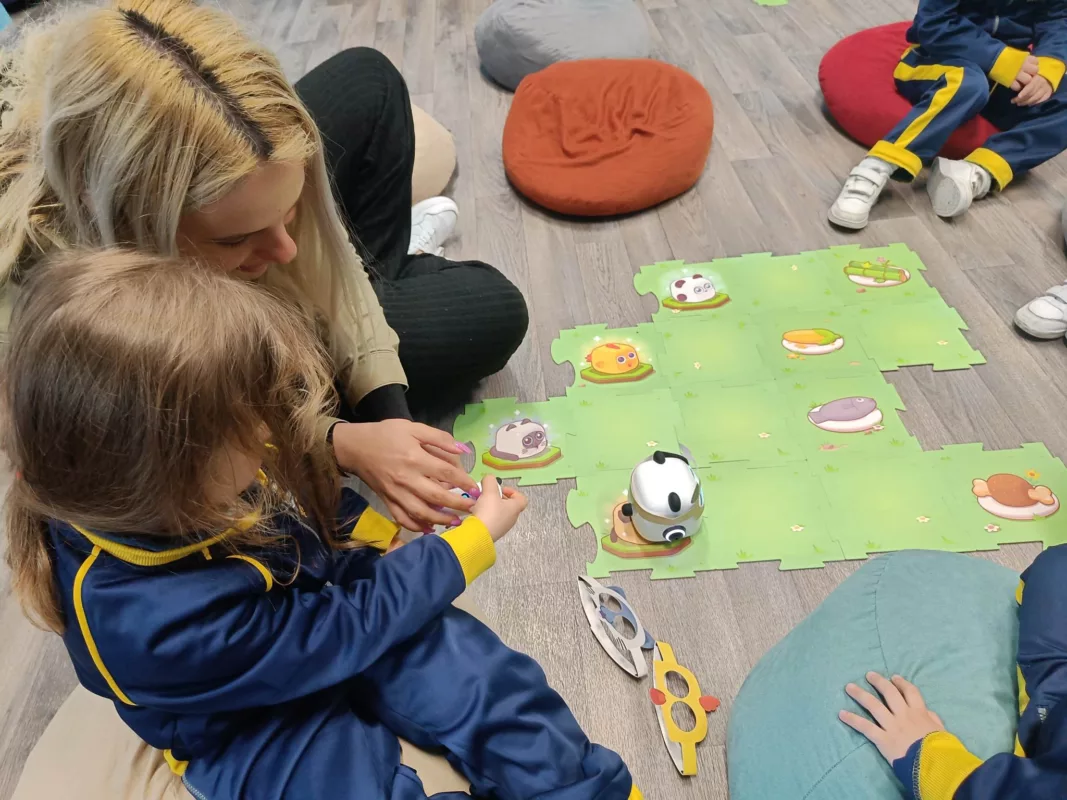
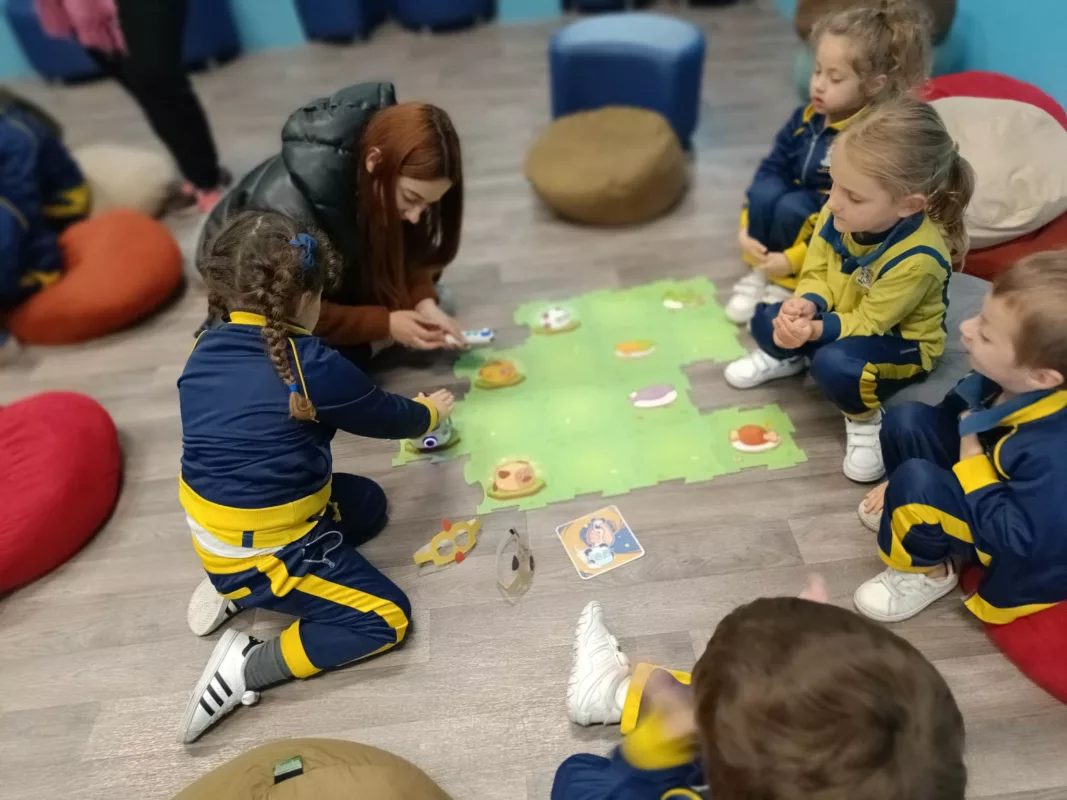
The Computational Thinking Programme, a collaborative effort between the Directorate for Digital Literacy and Transversal Skills and the eSkills Malta Foundation, represents a strategic initiative that is currently in its pilot phase, being implemented in 10 Maltese Primary State schools, one from each college.
At its core, this programme has two primary objectives. The first is to establish a sustainable educational framework that spans the entire spectrum of Primary Education, beginning with kindergarten classes and progressively targeting specific learning outcomes in subsequent scholastic years. This ensures that computational thinking becomes an integral part of students’ educational journey from the very beginning. The second objective is to make computational thinking and coding activities an ingrained aspect of the school culture. Instead of sporadic endeavours, these skills will become a fundamental and ever-present part of the students’ learning experience.
The Computational Thinking Programme places significant emphasis on imparting crucial skills to both educators and students. It equips educators with the knowledge, skills, and attitude necessary to effectively integrate computational thinking into their teaching practices, thus empowering students to develop their computational thinking competences. Additionally, students actively engage in the programme, acquiring problem-solving skills that enable them to break down complex challenges into more manageable tasks, arranging them logically. Furthermore, they cultivate logical and rational thinking, which lays a strong foundation for making informed decisions and solving complex issues, ensuring they are well-prepared for a lifetime of success.
The programme includes:
Training sessions offered by respective suppliers: Between October 2022 and January 2023, a series of hands-on training sessions were conducted by the respective suppliers. Education Officers (Curriculum), the Primary Digital Literacy Support Team, school coordinators, as well as two educators from each participating primary school attended these engaging training sessions. During these training sessions, participants became more familiar with the Computational Thinking concepts and Learning Outcomes. These sessions helped educators in enhancing their ability to effectively integrate the Computational Thinking concepts in classroom settings.
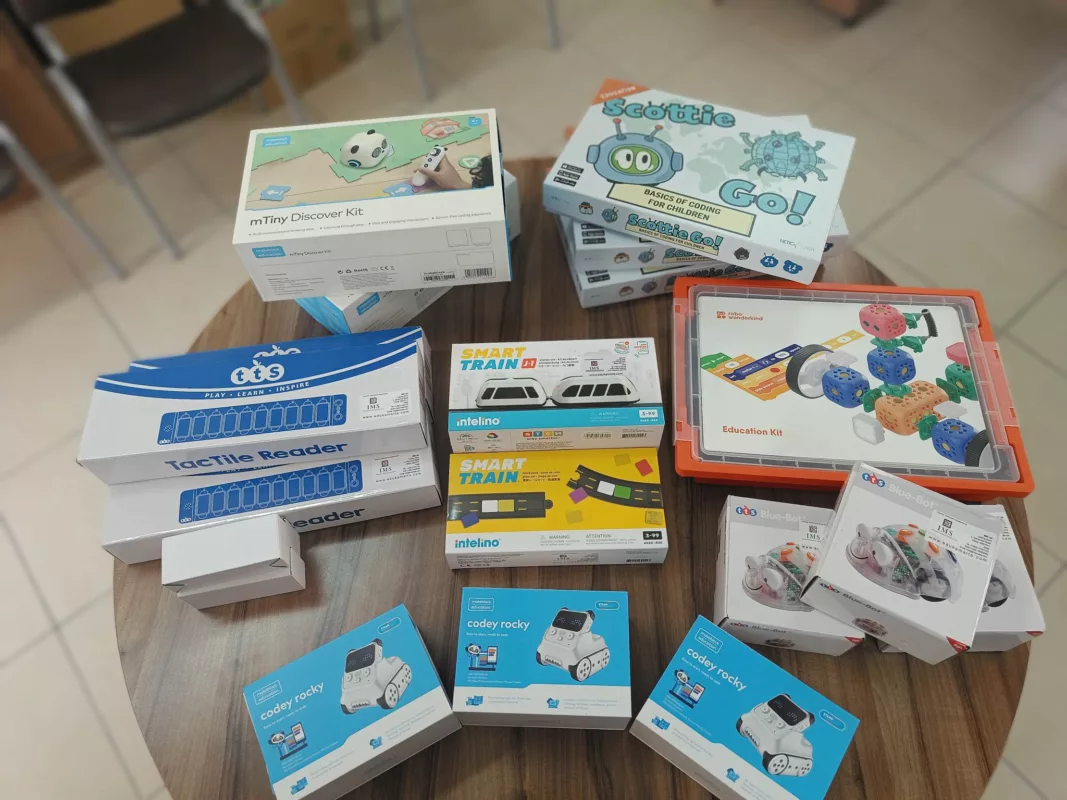
Provision of resources: Through the collaboration with eSkills Malta Foundation, resources were procured after careful market research was conducted and procurement approval from MEYR was received. These resources were given to the participating schools.
Curriculum Alignment: The programme includes the mapping of computational thinking and coding activities to the curriculum, ensuring that they align with the educational goals and standards of the primary school system.
On-Site Support: The Primary Digital Literacy Support Team provides continuous on-site support during in-class activities and Curriculum Time sessions. This support aims to facilitate the seamless integration of computational thinking into the educational process.
Legacy: The Computational Thinking Programme has a far-reaching vision that extends beyond the boundaries of the classroom. It seeks to cultivate a mindset among students, one that values curiosity, adaptability, and resilience. This mindset empowers them to thrive in a rapidly changing world, where the ability to adapt and solve novel problems is paramount. Through partnerships with various stakeholders, the programme also aspires to fundamentally transform education itself. The objective is to embed computational thinking into curricula, thereby reshaping the very foundation of the education system. This change not only prepares students for the digital age but also ensures that education aligns with the needs of an ever-evolving world, effectively positioning the next generation for success.

Why is this a good practice?
The Computational Thinking Programme, a collaborative effort between the Directorate for Digital Literacy and Transversal Skills and the eSkills Malta Foundation, represents a strategic initiative that is currently in its pilot phase, being implemented in 10 Maltese Primary State schools, one from each college. This is a good practice as it introduces young students to essential problem-solving skills and logical thinking techniques that are fundamental in today’s digital age. By embedding computational thinking into the curriculum at an early stage, the program prepares students for future academic and career success in a technology-driven world. The initiative fosters critical thinking, creativity, and resilience, equipping students with the ability to approach complex problems methodically and innovatively. Furthermore, this program promotes digital literacy and transversal skills, ensuring that all students, regardless of their background, have the opportunity to develop competencies that are crucial for their personal and professional growth. The pilot phase allows for the careful evaluation and refinement of the program, ensuring its effectiveness before a wider rollout. Overall, the Computational Thinking Programme is a forward-thinking approach that enhances educational outcomes and prepares students for the challenges and opportunities of the future.