-
Link Type
Organization url
-
Image
-
Publish in core platform
Yes
-
Target audience
Digital skills for allDigital technology / specialisation
Digital skillsDigital skill level
Basic Intermediate AdvancedGeographic Scope - Country
MaltaIndustry - Field of Education and Training
Generic programmes and qualifications not further defined Basic programmes and qualificationsType of initiative
Local initiative
Type of Funding
Public
Organization
National Skills Council of MaltaSkip to content

Malta Digital Skills and Jobs Platform (LISP)

Skills shape people’s opportunities throughout their lives, from choosing what to study to building a career, adapting to change or learning something new later in life. As digital transformation, demographic change and the green transition reshape how we live and work, skills have become central to Malta’s long‑term social and economic development.
To respond to these changes, Malta has developed its first National Skills Strategy 2026–2035, a long‑term national roadmap coordinated by the National Skills Council. The Strategy sets out how Malta can strengthen its skills system to support individuals, employers and communities, ensuring that skills development remains inclusive, relevant and future‑ready.
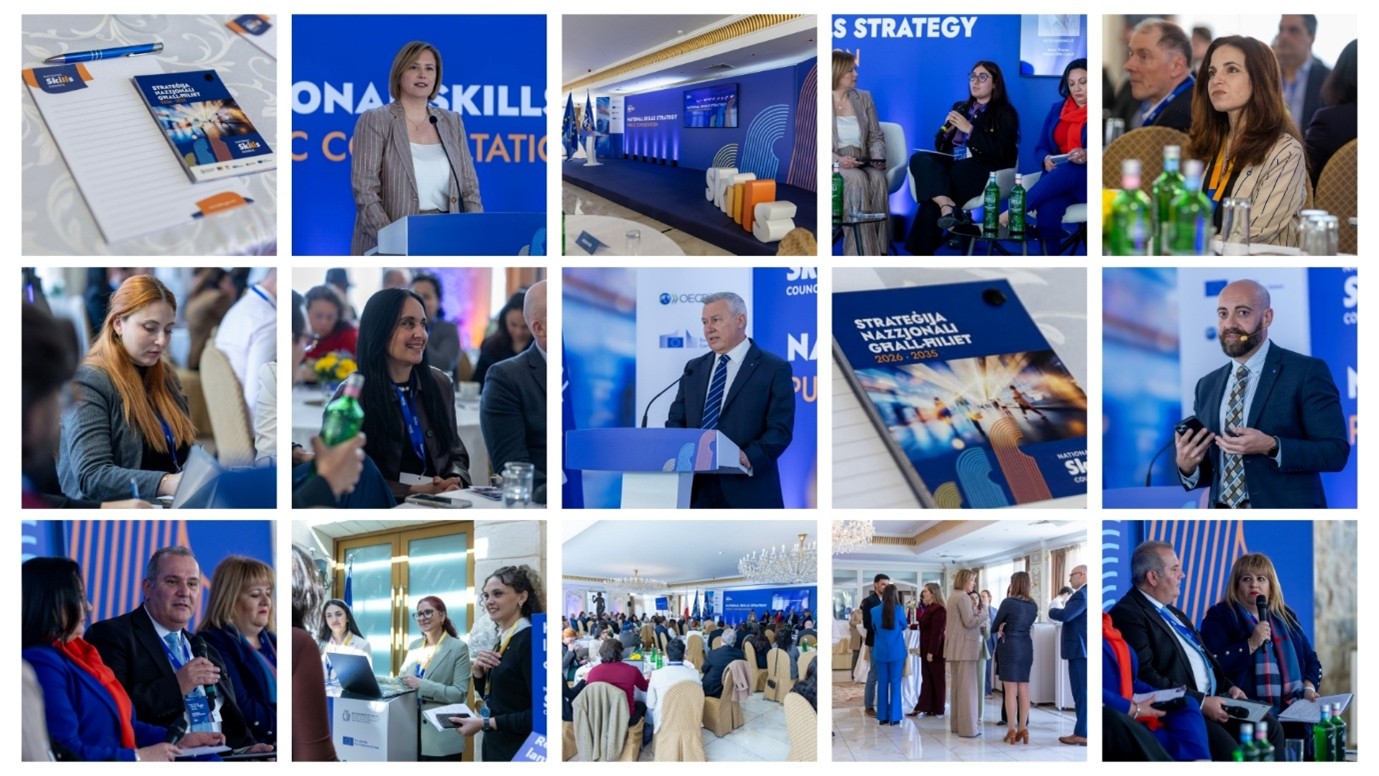
The National Skills Strategy is funded by the European Union through the Technical Support Instrument (TSI), with technical support from the OECD Centre for Skills in cooperation with the European Commission. The Strategy has been developed as a collaborative and structured process and is currently open for public consultation, inviting individuals, organisations and stakeholders to contribute to shaping the future of skills in Malta.
The Strategy is not intended to be a static policy document. It is designed as a living framework, built on partnership and public engagement, and informed by extensive consultation with government entities, education and training providers, employers, social partners and other stakeholders.
At the heart of the Strategy are eight priority areas, which together guide how Malta approaches skills development across the lifespan.
The Strategy places strong emphasis on skills intelligence, recognising the importance of understanding current and future skills needs. Improving how data and qualitative insights are gathered and used supports better decision‑making by policymakers, education providers, employers and individuals.
It also focuses on enhancing career guidance, ensuring that people at different stages of life are supported to make informed learning and career choices in an increasingly complex skills landscape.
Recognising the crucial role of educators and trainers, the Strategy supports efforts to ensure that education and training provision can adapt to changing skills demands and remain aligned with labour market needs.
The Strategy aims to equip people with the skills of the future, combining technical and digital skills with transversal skills such as adaptability, creativity, problem‑solving and critical thinking.
It promotes adult learning and lifelong participation, addressing barriers that discourage individuals from engaging in learning later in life and encouraging continuous personal and professional development.
The Strategy also supports employer‑led training and skills development, recognising employers as key partners in aligning skills development with real workplace needs and future economic opportunities.
In addition, it addresses talent retention and better use of skills, acknowledging that developing skills must go hand in hand with creating conditions that allow people to use and grow their skills within the Maltese labour market.
Finally, the Strategy focuses on strengthening skills governance and coordination, improving collaboration across institutions and stakeholders to ensure coherent and effective implementation. A key feature of this approach is a bottom‑up implementation model embedded through sectoral skills assessments, which helps translate strategic priorities into practical, sector‑specific action. A pilot exercise has been undertaken with Transport Malta to analyse skills gaps in the maritime sector and develop a targeted action plan. This model is expected to be replicated in other key sectors, including financial services and aviation.
By placing people at the centre and viewing skills as a lifelong and shared responsibility, Malta’s National Skills Strategy provides a coordinated and informed approach to building a skills system that works for individuals, employers and society today and in the years to come.
Impact of the Strategy
At a national level, Malta’s National Skills Strategy is expected to significantly strengthen the country’s ability to anticipate and respond to future workforce needs. By creating a more coordinated and evidence-informed skills ecosystem, the Strategy supports economic competitiveness, workforce adaptability, and social inclusion. It also contributes to improving alignment between education, training, and labour market demand, helping reduce skills mismatches and supporting long-term employability.
The Strategy’s emphasis on lifelong learning, transversal skills, and employer engagement further supports Malta’s transition towards a more resilient and innovation-driven economy. Its participatory and collaborative approach also strengthens stakeholder ownership, increasing the likelihood of sustainable and effective implementation.
From a European perspective, the Strategy aligns closely with the objectives of the European Skills Agenda and the European Digital Decade. Both frameworks highlight the importance of strengthening digital skills, promoting lifelong learning, addressing labour shortages, and preparing citizens for the future of work. By adopting a forward-looking and inclusive approach, Malta’s National Skills Strategy contributes directly to these shared European ambitions.
Furthermore, the Strategy demonstrates how Member States can combine national ownership with European cooperation and international expertise to develop comprehensive and future-oriented skills policies. Its focus on sectoral engagement, skills intelligence, and coordinated governance provides a valuable model that could inspire similar approaches across Europe.
In conclusion, Malta’s National Skills Strategy 2026–2035 represents a major step forward in building a more future-ready, inclusive, and adaptable skills system. By viewing skills as a lifelong and shared responsibility, and by placing collaboration and foresight at the centre of policymaking, the Strategy provides a strong foundation for supporting individuals, employers, and society in the years ahead. As labour markets continue to evolve, initiatives such as this highlight the importance of strategic planning, partnership, and continuous learning in shaping sustainable economic and social development.