-
Link Type
Organization url
-
Image
-
Publish in core platform
Yes
-
Target audience
Digital skills for allDigital technology / specialisation
Digital skillsDigital skill level
Basic Intermediate AdvancedGeographic Scope - Country
MaltaIndustry - Field of Education and Training
Generic programmes and qualifications not further defined Basic programmes and qualificationsType of initiative
Local initiative
Type of Funding
Public
Organization
National Skills Council of MaltaSkip to content

Malta Digital Skills and Jobs Platform (LISP)

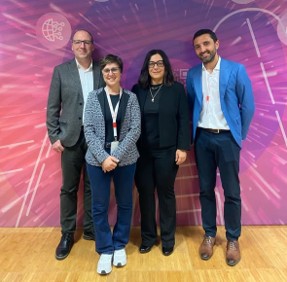
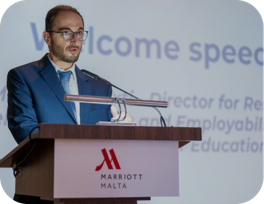
As Malta’s labour market continues to evolve, there is a growing opportunity to better align the skills people acquire through education and training with those required in the world of work. Technological change, economic shifts, evolving sustainability practices, and new ways of working are reshaping occupations and skill requirements, requiring education and training to adapt at pace. CareerScape was created to provide a structured space for dialogue, where different perspectives come together to discuss these emerging trends, opportunities and challenges across sectors.
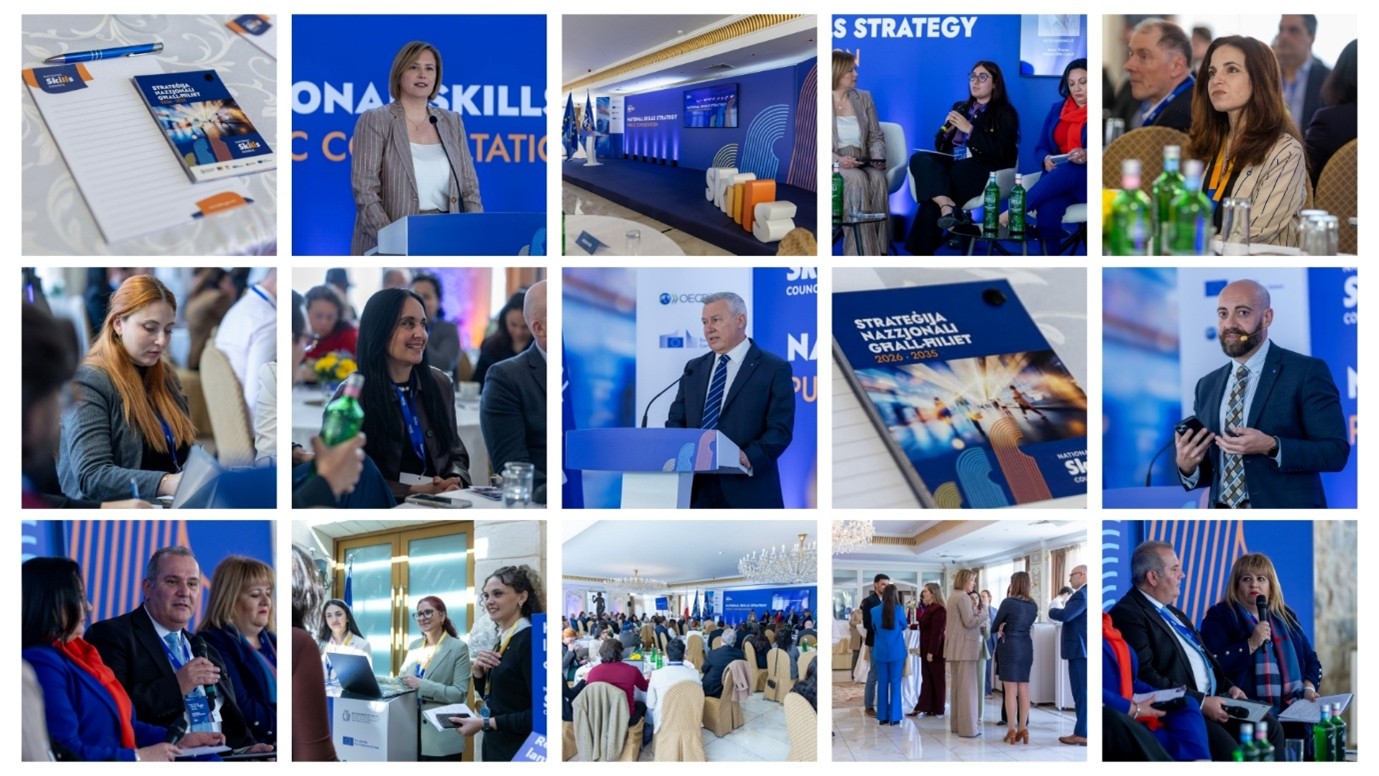
This initiative, coordinated by the National Skills Council of Malta, was first launched in 2024 during the European Year of Skills, with a focus on discussing emerging and in‑demand careers across multiple sectors. Stakeholders from industry, education, career guidance and policy were invited to explore how global trends such as digitalisation, sustainability, automation and changing work patterns are transforming occupations and skill requirements. These early discussions highlighted the importance of anticipating future skills needs rather than reacting to shortages once they emerge.
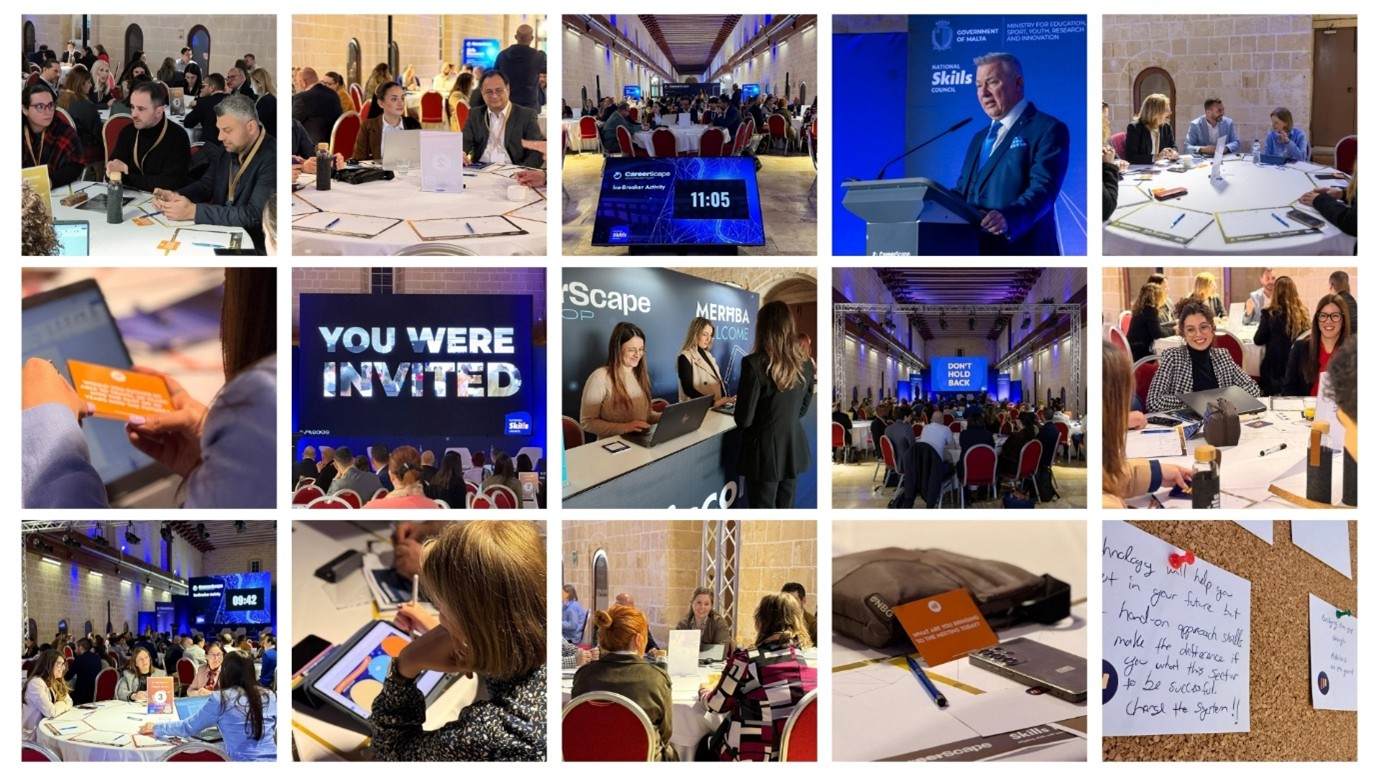
Building on this foundation, the second edition of CareerScape expanded significantly in both scale and scope. A series of workshops were organised throughout 2025 and 2026, covering a total of thirteen sectors, including Digital Services, where different stakeholders gathered to discuss the theme of ‘skills disconnect’. These discussions deepened the understanding of the drivers behind the skills misalignment and reinforced the importance of being forward-looking, anticipating emerging trends and skills needs. Stakeholders highlighted the importance of a cross‑sector dialogue, collaboration, and shared responsibility to support labour market and workforce readiness.
CareerScape is not intended as a one‑off event but forms part of a broader, ongoing process, designed to ensure that insights generated through dialogue are translated into policy and practice, informing workforce planning, skills policy and national direction, and contributing to a more coordinated, forward‑looking approach to building a future-ready Malta.
Impact of the Initiative
At a national level, CareerScape contributes to strengthening Malta’s ability to anticipate and respond to changing skills needs. By facilitating cross-sector collaboration and encouraging evidence-informed dialogue, the initiative supports more coordinated policymaking and workforce planning. It also helps foster stronger alignment between education and industry, reducing the risk of persistent labour shortages and skills mismatches across key sectors.
The initiative further supports Malta’s broader economic resilience by promoting adaptability and lifelong learning. As industries continue to evolve, initiatives like CareerScape help create a culture where continuous upskilling and reskilling are recognised as essential components of workforce development. This is particularly important in sectors experiencing rapid transformation due to technological advancement and digitalisation.
From a European perspective, CareerScape aligns closely with the objectives of the European Skills Agenda and the European Digital Decade. These frameworks emphasise the importance of addressing skills shortages, strengthening lifelong learning systems, and ensuring that education and training remain responsive to labour market needs. By encouraging proactive dialogue and strategic foresight, CareerScape supports Europe’s ambition to build a more competitive, inclusive, and digitally skilled workforce.
The initiative also reflects the collaborative governance approach increasingly promoted at the European level. Its multi-stakeholder model demonstrates how governments, education providers, employers, and career guidance actors can work together to address complex workforce challenges. This makes CareerScape a valuable and transferable good practice that could inspire similar approaches in other countries seeking to improve labour market responsiveness and future skills planning.
In conclusion, CareerScape represents an important and forward-looking initiative that addresses one of the most pressing challenges facing modern economies: aligning skills development with rapidly changing labour market realities. By creating structured dialogue between education, industry, and policy stakeholders, it supports more informed decision-making, stronger collaboration, and a more future-ready workforce. As Malta and Europe continue to navigate digital and economic transformation, initiatives like CareerScape demonstrate the importance of anticipation, cooperation, and long-term strategic thinking in shaping resilient and inclusive labour markets.