-
Link Type
Organization url
-
Image
-
Publish in core platform
Yes
-
Target audience
Digital skills for allDigital technology / specialisation
Digital skillsDigital skill level
Basic Intermediate AdvancedGeographic Scope - Country
MaltaIndustry - Field of Education and Training
Generic programmes and qualifications not further defined Basic programmes and qualificationsType of initiative
Local initiative
Type of Funding
Public
Organization
Malta Digital Innovation AuthoritySkip to content

Malta Digital Skills and Jobs Platform (LISP)

In a rapidly changing economy, basic skills have become essential for participation in society, employment, and lifelong learning. Literacy, numeracy, and digital skills form the foundation upon which individuals build careers, access services, engage in their communities, and adapt to technological change. Yet across Europe, many adults continue to face challenges due to low levels of these core competences, limiting their opportunities for personal and professional development. Recognising this challenge, the European Union launched the Upskilling Pathways initiative to help adults strengthen their basic skills and improve their prospects for employment, social inclusion, and active citizenship.
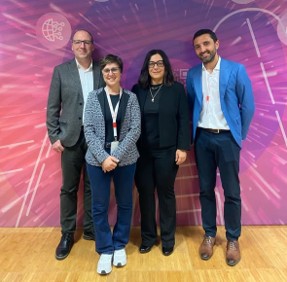
In Malta, the implementation of Upskilling Pathways has evolved into a comprehensive and collaborative national approach coordinated by the Directorate for Lifelong Learning and Employability (DLE). Rather than focusing solely on the provision of courses, Malta has developed a broader ecosystem that combines policy coordination, stakeholder engagement, outreach activities, guidance services, and accessible learning opportunities. This integrated approach ensures that adults with lower levels of skills and qualifications receive the support needed to re-engage with learning and improve their life chances.
The initiative is rooted in the 2016 European Council Recommendation on Upskilling Pathways, which encourages Member States to help adults acquire a minimum level of literacy, numeracy, and digital competence, while also supporting progression towards higher qualifications. The European framework is built around three interconnected stages, namely, skills assessment, tailored learning opportunities, and validation or recognition of acquired skills. Malta has successfully translated these principles into a practical and sustainable national model.
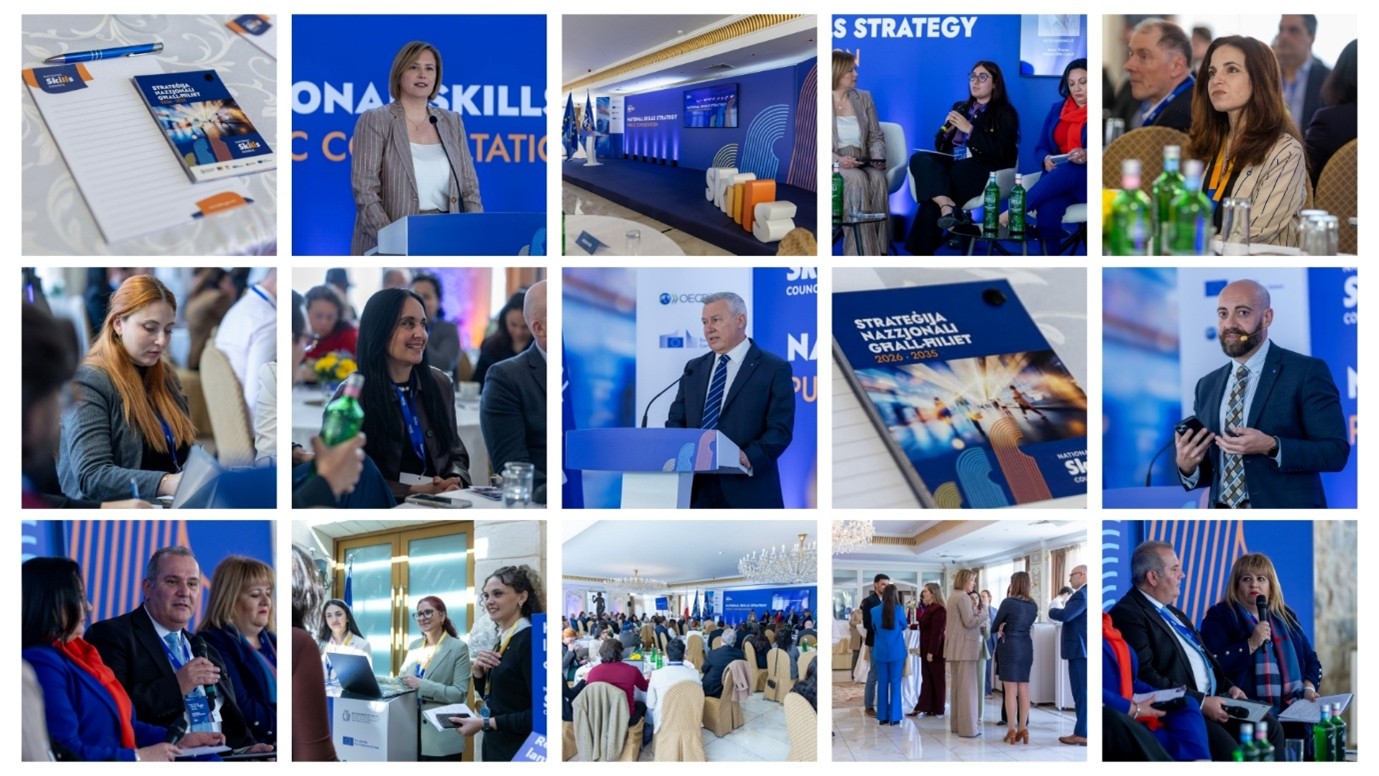
A key strength of Malta’s implementation is in its governance structure. DLE established the Upskilling Pathways Working Group, which serves as the central collaborative and coordination mechanism for planning, monitoring, and improving implementation. Chaired by Malta’s National Coordinator for the EU Adult Learning Agenda, the Working Group brings together representatives from government entities, education providers, social partners, and labour market institutions. Meetings are held regularly throughout the year to review progress, identify emerging challenges, and strengthen cooperation across the lifelong learning ecosystem.

The composition of the Working Group reflects the collaborative nature of Malta’s approach. Stakeholders include organisations such as Jobsplus, Malta College of Arts, Science and Technology, University of Malta, Malta Further and Higher Education Authority, the National Literacy Agency, the National Skills Council, the Malta Digital Innovation Authority and representatives from various ministries and public bodies. This broad participation ensures that decisions are supported through discussions regarding multiple perspectives and that adult learning policies remain aligned with labour market realities and societal needs.
One of the most notable aspects of Malta’s model is how it operationalises the three-step Upskilling Pathways framework.
The first stage, skills assessment, is supported through a coordinated system that helps identify learning needs and skills gaps among adults. While assessments may take different forms across providers, the Working Group plays a crucial role in ensuring that services remain aligned and responsive to learner needs. This system-level coordination creates an enabling environment where adults can more easily access relevant support and learning pathways.
The second stage, tailored learning provision, is addressed through a range of educational opportunities, including DLE’s Essential Skills Courses. These courses focus on strengthening reading, writing, numeracy, and digital competences, directly targeting the foundational skills identified by the European framework. Importantly, digital skills are treated as a core component of basic skills development, recognising their growing importance in everyday life and work.
The third stage, validation and recognition, is supported through accredited learning pathways and quality assurance measures that enable learners to gain recognised outcomes from their participation. By ensuring that skills development leads to meaningful progression opportunities, Malta strengthens learner motivation and supports long-term engagement in education and training.
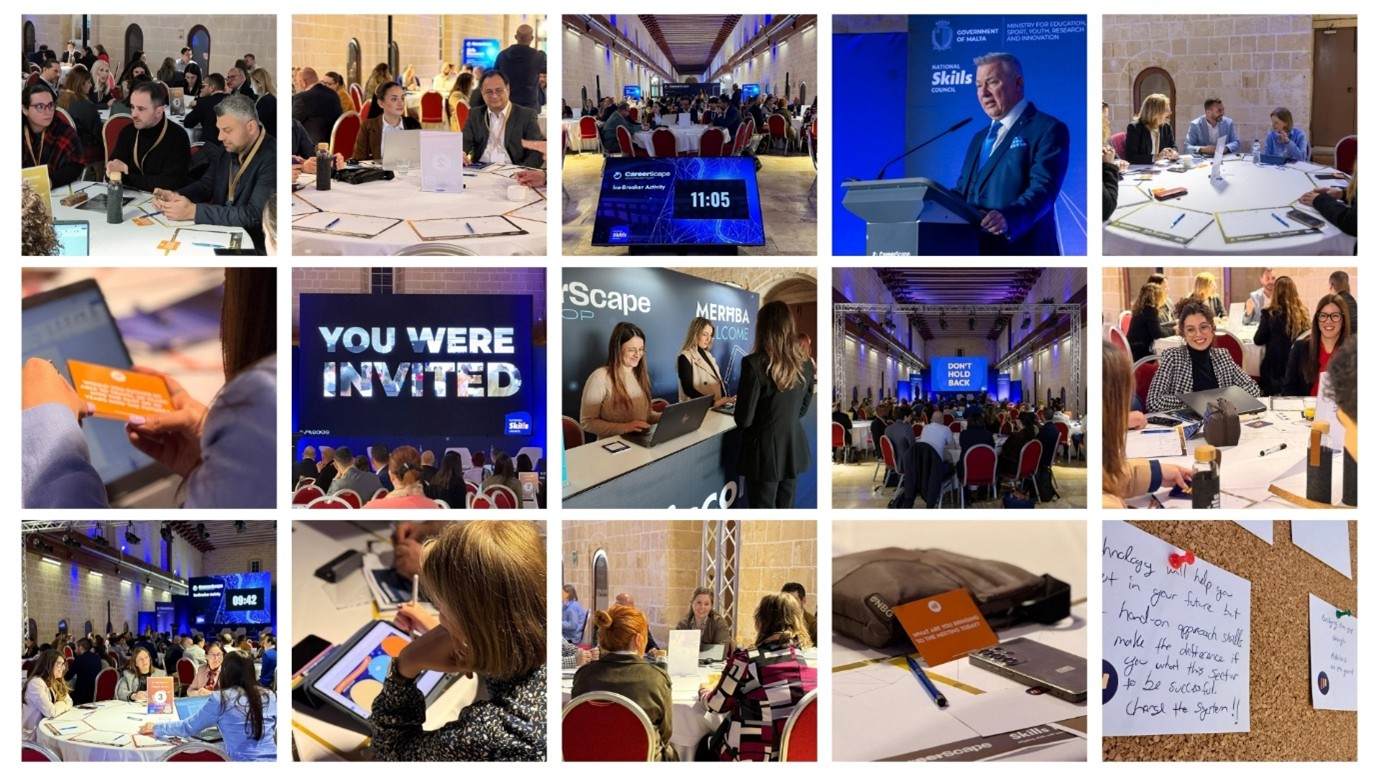
A particularly innovative aspect of Malta’s implementation is its emphasis on outreach, guidance, and accessibility. Experience across Europe has shown that adults with lower skills often face significant barriers to re-entering education. To address this challenge, DLE developed an Outreach and Guidance Action Plan designed to identify, motivate, and support adult learners who may otherwise remain disconnected from learning opportunities.
Another important development has been the creation of a National Repository for Non-Formal Learning Opportunities across Malta and Gozo. This online resource improves the visibility and accessibility of learning opportunities outside traditional education systems, making it easier for individuals to discover courses, training programmes, and community-based learning initiatives that match their interests and needs. By improving discoverability, the repository helps convert learning opportunities into actual participation.
Quality assurance also forms an important pillar of Malta’s approach. Through the development of National Basic Skills Guidelines for Adults, the initiative seeks to improve the consistency and quality of training provision. These guidelines help ensure that adult learners, particularly those who may have struggled within traditional education systems, receive effective and high-quality learning experiences that support meaningful outcomes.
Impact of the Initiative
The impact of Malta’s Upskilling Pathways implementation extends well beyond individual learning opportunities. At a national level, the initiative contributes to improving employability, reducing educational disadvantage, and strengthening social inclusion. By helping adults acquire essential literacy, numeracy, and digital competences, it enables greater participation in the labour market and supports personal empowerment. The initiative also strengthens Malta’s lifelong learning ecosystem through improved coordination between institutions, providers, and stakeholders.
The strong emphasis on digital skills is particularly significant. As Malta continues its digital transformation journey, ensuring that all citizens possess a baseline level of digital competence is essential for economic participation and social inclusion. The initiative therefore contributes directly to national efforts to reduce digital inequalities and prepare individuals for an increasingly technology-driven society.
From a European perspective, Malta’s approach aligns closely with the objectives of the European Skills Agenda and the European Digital Decade. The Digital Decade places strong emphasis on improving digital skills across the population and ensuring that citizens can fully participate in the digital economy. By embedding digital competence within basic skills provision, Malta contributes directly to these European ambitions.
The initiative also supports wider European priorities related to lifelong learning, social inclusion, workforce resilience, and labour market participation. Its governance model demonstrates how effective collaboration between education providers, employment services, policymakers, and social partners can strengthen the implementation of European skills policies at the national level.
Importantly, Malta’s model offers a valuable example that other EU Member States can replicate. The combination of strong stakeholder coordination, targeted outreach, accessible learning opportunities, quality-assurance mechanisms, and a central learning repository provides a practical framework to support adults with lower skills. Other countries seeking to strengthen their implementation of Upskilling Pathways could adapt this model to their own national contexts while maintaining the core principles of accessibility, coordination, and learner-centred support.
In conclusion, Malta’s implementation of Upskilling Pathways demonstrates how European policy can be translated into meaningful action through effective national coordination and collaboration. By combining governance, outreach, quality learning opportunities, and strong stakeholder engagement, the initiative creates sustainable pathways for adults to improve their skills, enhance their employability, and participate more fully in society. As Europe continues to advance towards the goals of the Digital Decade 2030, Malta’s experience provides a compelling example of how lifelong learning can support both individual opportunity and collective prosperity.