-
URL
-
Link Type
Organization url
-
Image
-
Publish in core platform
Yes
-
Target audience
Digital skills for allDigital technology / specialisation
Digital skillsDigital skill level
Basic Intermediate AdvancedGeographic Scope - Country
MaltaIndustry - Field of Education and Training
Generic programmes and qualifications not further defined Basic programmes and qualificationsType of initiative
Local initiative
Type of Funding
Public
Organization
Foundation for IT Accessibility (FITA)Skip to content

Malta Digital Skills and Jobs Platform (LISP)

In today’s increasingly digital world, access to technology is fundamental to independence, participation, and quality of life. However, for persons with disabilities and older adults, barriers to accessing and effectively using digital tools can limit opportunities in education, employment, and everyday life. Bridging this gap requires more than just access to devices—it calls for personalised support, training, and sustained engagement. Initiatives that combine assistive technology with capacity-building play a vital role in ensuring that no one is left behind in the digital transition.
A notable example of such an initiative is Empowering Access: Assistive Device Leasing and ICT Training for Independence, introduced in 2025 by the Foundation for IT Accessibility (FITA). This scheme is designed to establish a long-term, supportive relationship with users, guiding them from initial assessment through to sustained and effective use of assistive technologies. Its holistic approach ensures that individuals are not only equipped with the right tools, but also empowered to use them confidently and independently.
The process begins with an initial consultation, during which FITA specialists engage directly with the client to understand their specific needs, challenges, and goals. This is followed by a structured assessment based on recognised frameworks such as the SETT (Student, Environment, Tasks, Tools) and PETT (Person, Environment, Tasks, Tools) models. These frameworks ensure that the recommended assistive technology is carefully aligned with the individual’s environment and daily requirements, rather than being a one-size-fits-all solution.
Once the most suitable assistive device is identified, FITA and the client enter into a leasing agreement. Under this model, the client contributes 10% of the device cost, while benefiting from a three-year leasing arrangement. This approach significantly reduces the financial barrier to accessing often costly assistive technologies, making them more attainable for a wider range of users.
Following the agreement, the client receives the selected device along with a tailored training plan. This personalised training ensures that users can effectively integrate the technology into their daily routines, whether for communication, work, learning, or independent living. To support long-term success, FITA schedules regular quarterly review meetings. These sessions provide an opportunity to monitor progress, address any challenges, carry out maintenance checks, and evaluate whether adjustments or upgrades are required. This continuous support model is a key strength of the initiative, as it recognises that needs may evolve over time.
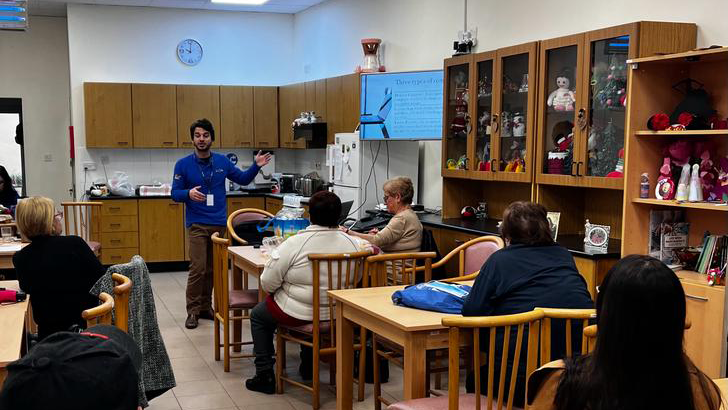
In addition to device leasing and individual support, FITA’s dedicated outreach efforts further expand the initiative’s impact. Through its Outreach Team, FITA delivers ICT training to persons with disabilities and older adults, focusing on essential digital skills. These include internet usage, communication tools, online safety, and access to e-government services. Participants are also guided in using everyday applications related to social interaction, food services, and travel, helping them engage more fully in modern digital life. Training is delivered both on a one-to-one basis and in group settings, ensuring flexibility and accessibility for different learning preferences.
Impact of the Initiative
The impact of Empowering Access is both transformative and far-reaching. At an individual level, it enables users to gain greater autonomy, confidence, and participation in society. By combining access to assistive devices with ongoing training and support, the initiative ensures that technology becomes a practical enabler of independence rather than an underutilised resource.
At a national level, the scheme contributes to Malta’s broader digital inclusion objectives by addressing the needs of vulnerable and underrepresented groups. It supports social equity by ensuring that technological advancements benefit all members of society, not just those with existing access or digital skills.
From a European perspective, the initiative aligns closely with key priorities under the European Digital Decade, particularly those related to digital inclusion, accessibility, and skills development. It also reflects the principles of inclusive digital transformation promoted across EU policies, demonstrating how targeted, user-centred interventions can effectively reduce digital inequalities. The model’s combination of affordability, personalised support, and continuous engagement offers a scalable approach that could be adapted and replicated in other countries seeking to enhance accessibility and inclusion.
In conclusion, Empowering Access stands as a strong example of how thoughtful, user-focused design can make digital transformation truly inclusive. By addressing both access and capability, and by maintaining a long-term relationship with users, the initiative goes beyond short-term solutions to create lasting impact. As Europe continues its digital journey, such practices highlight the importance of ensuring that innovation remains accessible, equitable, and empowering for all.