-
Image
-
Publish in core platform
Yes
-
Digital technology / specialisation
RoboticsDigital skill level
Basic Intermediate AdvancedGeographic Scope - Country
MaltaType of initiative
Local initiative
Link Type
Organization url

Malta Digital Skills and Jobs Platform (LISP)

Introduction
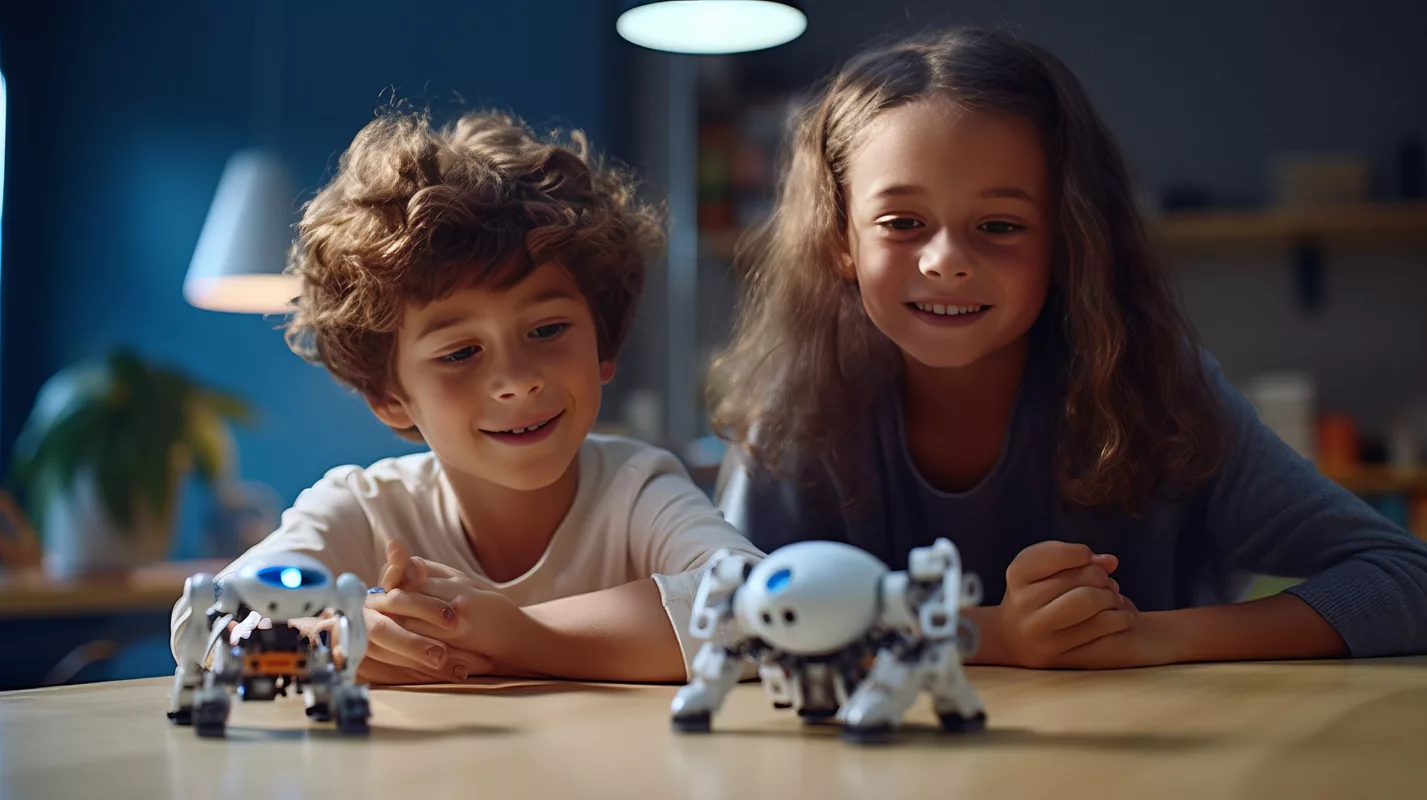
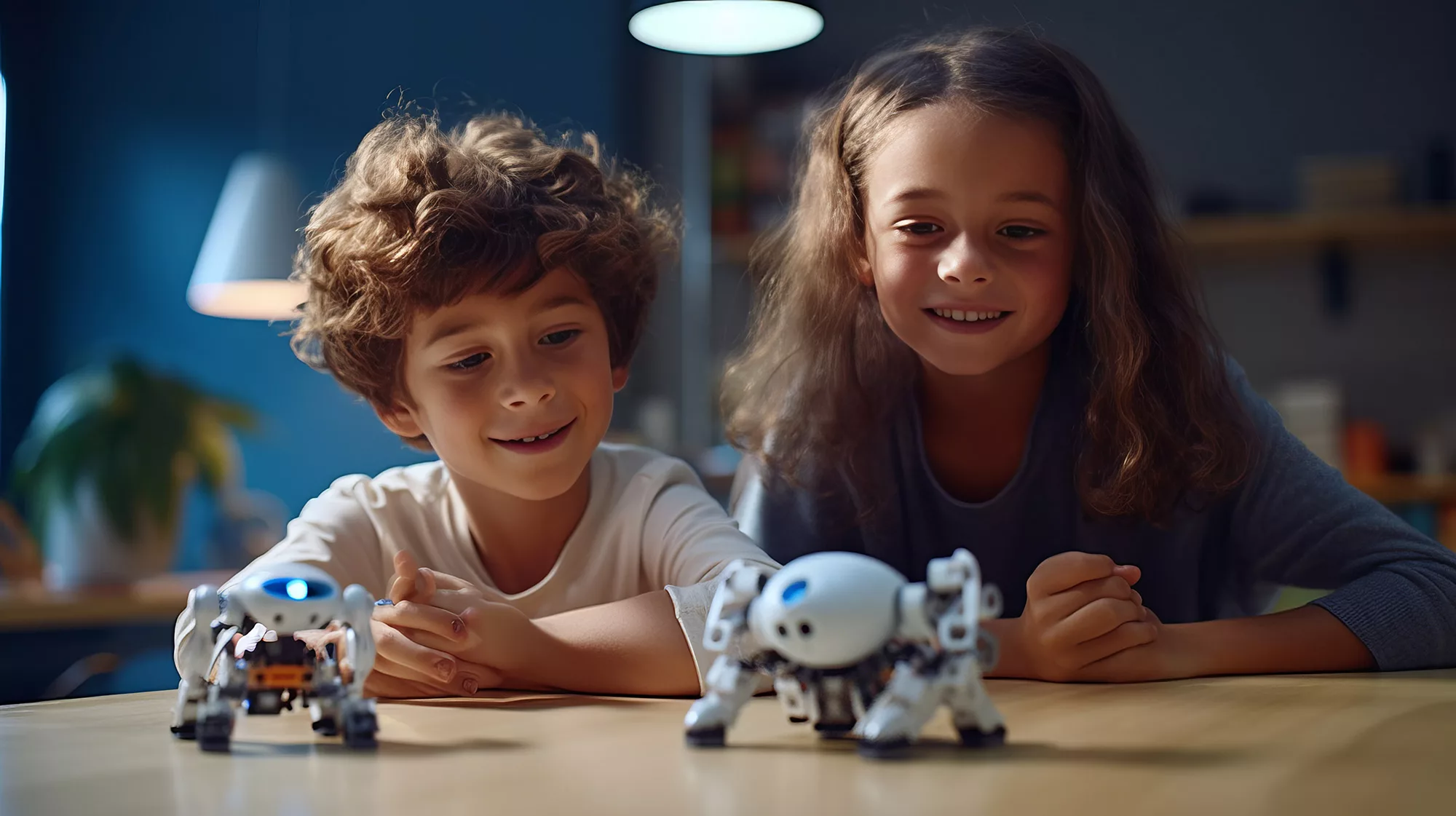
Emotion regulation can be particularly challenging for autistic children, impacting their social interactions and overall well-being. Recent advancements in robotics offer promising tools to support these children in managing their emotions effectively. This article explores how robotic systems can assist autistic children in developing emotion regulation skills through interactive, personalised, and consistent support.
Social Skills Training
One of the primary ways robots assist autistic children is through social skills training. Interactive robots, designed with social interaction capabilities, engage children in exercises that teach them to recognise and respond to emotions. These robots simulate social scenarios and provide real-time feedback, helping children practice and develop their social skills in a controlled and supportive environment.
Emotional Recognition
Robots equipped with facial recognition technology can help children identify and understand different emotional expressions. By interacting with these robots, children learn to associate facial cues with specific emotions, enhancing their ability to recognise emotions in others. This skill is crucial for improving social interactions and fostering better relationships.
Behavioural Interventions
Robots’ consistent and predictable responses can be particularly beneficial for autistic children. Unlike human interactions, robots offer a stable interaction model, which can be variable and sometimes confusing. This consistency helps children learn appropriate emotional responses and self-regulation techniques, providing a solid foundation for their emotional development.
Therapeutic Support
Robots can deliver personalised therapeutic interventions tailored to each child’s needs. For example, a robot might guide a child through relaxation exercises or mindfulness techniques when experiencing anxiety or frustration. These customised interventions help children learn to manage their emotions more effectively.
Safe and Non-Judgmental Interaction
Robots provide a safe and non-judgmental platform for children to express their emotions and practice regulating them. The absence of social pressure makes it easier for children to engage and experiment with different emotional responses. This safe space is crucial for building confidence and encouraging emotional exploration.
Gamified Learning
Turning emotion regulation exercises into fun and engaging games can motivate children to participate. Robots can gamify these exercises, making them enjoyable while also educational. This approach helps children practice emotion regulation skills positively and engagingly.
Real-Time Monitoring and Feedback
Robots with sensors can monitor physiological signals such as heart rate, skin conductance, and facial expressions. By analysing these signals, robots provide real-time feedback and support, helping children manage their emotions more effectively. This immediate response can be critical in teaching children how to recognise and control their emotional states.
Parent and Therapist Involvement
Robots can collect data on a child’s emotional responses and behaviours over time. This information is valuable for parents and therapists, who can use it to understand the child’s progress and tailor interventions more effectively. Integrating robotics in therapeutic settings enhances the child’s overall support system.
Examples of Robotic Systems in Use
1. NAO Robot: The NAO robot is a humanoid robot used in various studies to help autistic children with social skills and emotion recognition. It engages in interactive activities, tells stories, and plays games that teach emotional regulation strategies.
2. Kaspar Robot: Kaspar is a child-sized humanoid robot designed specifically for children with autism. It interacts through facial expressions, gestures, and speech, helping children learn social cues and emotional responses in a structured manner.
3. Jibo: Jibo is a social robot that assists with social and emotional learning. It recognises faces, understands emotions, and engages in conversations, making it helpful in teaching emotional regulation.
Benefits
Increased Engagement: Children’s fascination with robots can increase their willingness to participate in emotion regulation activities.
– Enhanced Learning: Interactive and adaptive robots provide personalised learning experiences that are more effective than traditional methods.
– Reduced Anxiety: Predictable and controlled interactions with robots reduce anxiety and stress, making learning and practising new skills easier for children.
Conclusion
Robotics offers innovative, engaging, and practical tools for helping autistic children with emotion regulation. By providing interactive, personalised, and consistent support, robots can significantly enhance these children’s emotional development and well-being, paving the way for improved social interactions and a better quality of life.
This article was prepared by collating various publicly available online sources.