-
Image

-
Publish in core platform
Yes
-
Link Type
Organization url
-
Digital technology / specialisation
Cybersecurity Digital skillsDigital skill level
Basic Intermediate AdvancedGeographic Scope - Country
Non-EU MaltaType of initiative
Local initiative

Malta Digital Skills and Jobs Platform (LISP)

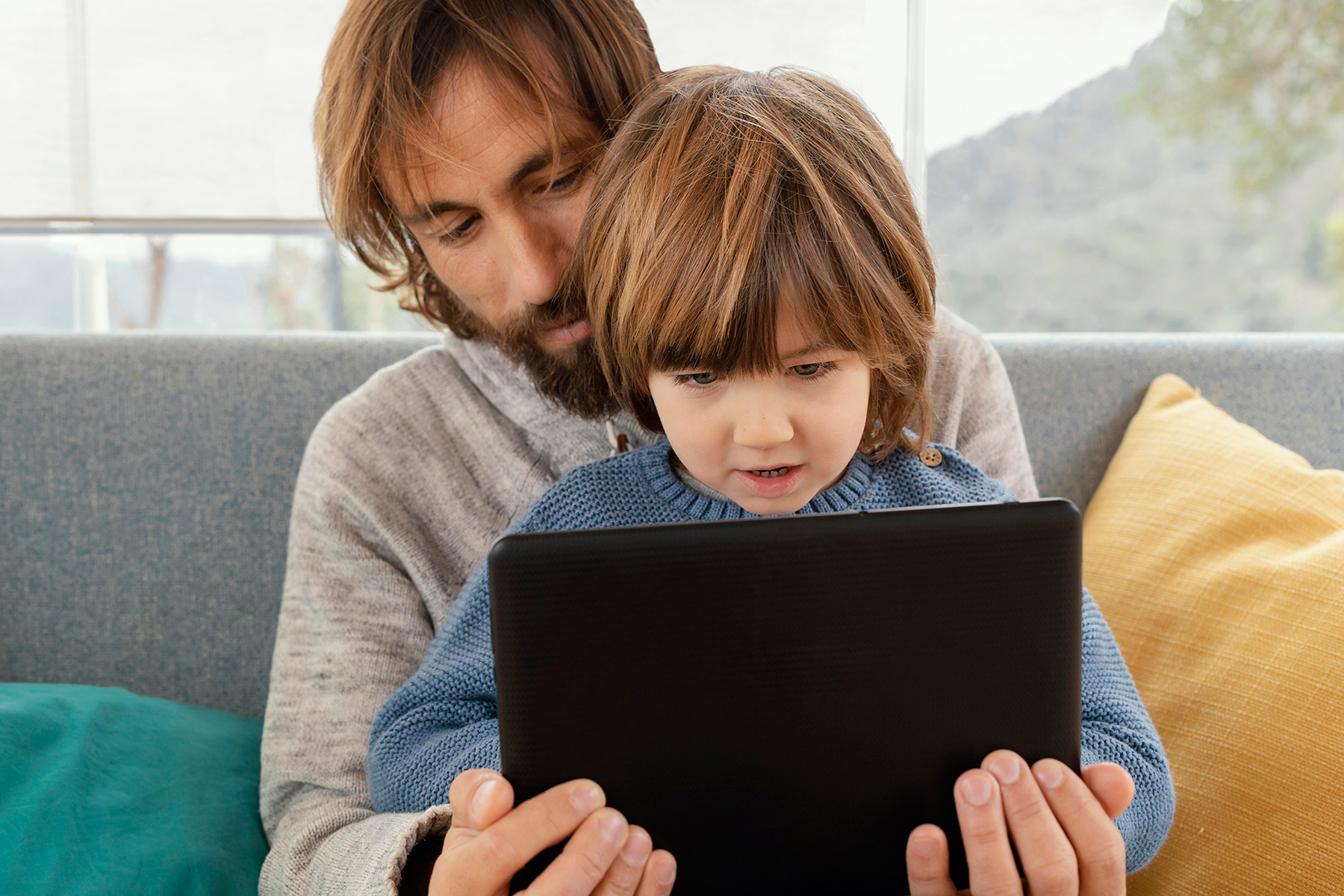
In today’s digital age, kids spend a lot of time online, whether it’s for school, chatting with friends, or playing video games. While the internet offers many benefits, it also has its dangers.
Here’s a few tips:
The Importance of Not Sharing Personal Information
One of the most important lessons to teach children is not to share personal information online. This includes their full name, address, phone number, school name, and even their favourite places to hang out. Explain that even though someone might seem friendly, it’s impossible to know for sure who they really are. Sharing too much information can lead to identity theft, cyberbullying, or even physical danger.
Recognising Potentially Dangerous Interactions
Kids often interact with others online, especially through popular video games. While many interactions are harmless, some can be dangerous. Teach children to recognise the signs of a potentially harmful interaction. For instance:
•Strangers asking too many personal questions.
•Pressure to keep secrets.
•Uncomfortable conversations.
Being Cautious About Scams, Phishing, and Fake Offers
Scammers often target children because they can be more trusting. Teach children to be cautious of:
•Phishing: This is when someone tries to trick them into giving away personal information, like passwords or bank details, by pretending to be a trustworthy source. Explain that they should never click on suspicious links or download attachments from unknown sources.
•Fake Offers: Warn kids about offers that seem too good to be true. These are often traps to get their personal information or money.
The Importance of Privacy Settings
Privacy settings are crucial for keeping children’s online activity secure. Here’s why they matter:
•Control who sees their information.
•Prevent unwanted contact.
•Reduce the risk of cyberbullying.
Make sure children know how to use privacy settings on all their devices and accounts.
Additional Tips for Online Safety
•Use strong passwords and emphasise the importance not to share them with anyone, except parents/guardians. A strong password includes a mix of letters, numbers, and symbols.
•Keep software up to date to ensure that their devices have the latest security updates to protect against viruses and malware.
•Talk regularly about online activity and on the lookout at any concerns children might have.
Conclusion
By teaching children about online security, you help protect them from the many dangers of the internet. Emphasise the importance of not sharing personal information, recognising dangerous interactions, being cautious about scams and phishing, and using privacy settings effectively. With these lessons, children can enjoy the benefits of the internet while staying safe. For children, a show like “NetSmartzKids” on YouTube, provides valuable lessons on online security in a fun and accessible format. Watching such programs together can provide you with the perfect opportunity to discuss about online behaviour and safety practices.
Disclaimer: This article is based on information gathered from various online sources and intended only for informational purposes. It does not constitute professional advice or recommendations. While the information provided is accurate and true to the best of our knowledge, we make no representations or warranties of any kind, express or implied, regarding the completeness, accuracy, reliability, suitability, or availability of the topics covered. We strongly advise readers to conduct further research and consult appropriate professionals or experts before making any decisions based on the information presented in this article. We disclaim any liability for losses or damages incurred based on the information provided herein.