-
Image
-
Publish in core platform
Yes
-
Link Type
Organization url
-
Digital technology / specialisation
Digital skills Software Quantum ComputingDigital skill level
Basic Intermediate AdvancedGeographic Scope - Country
MaltaType of initiative
Local initiative

Malta Digital Skills and Jobs Platform (LISP)

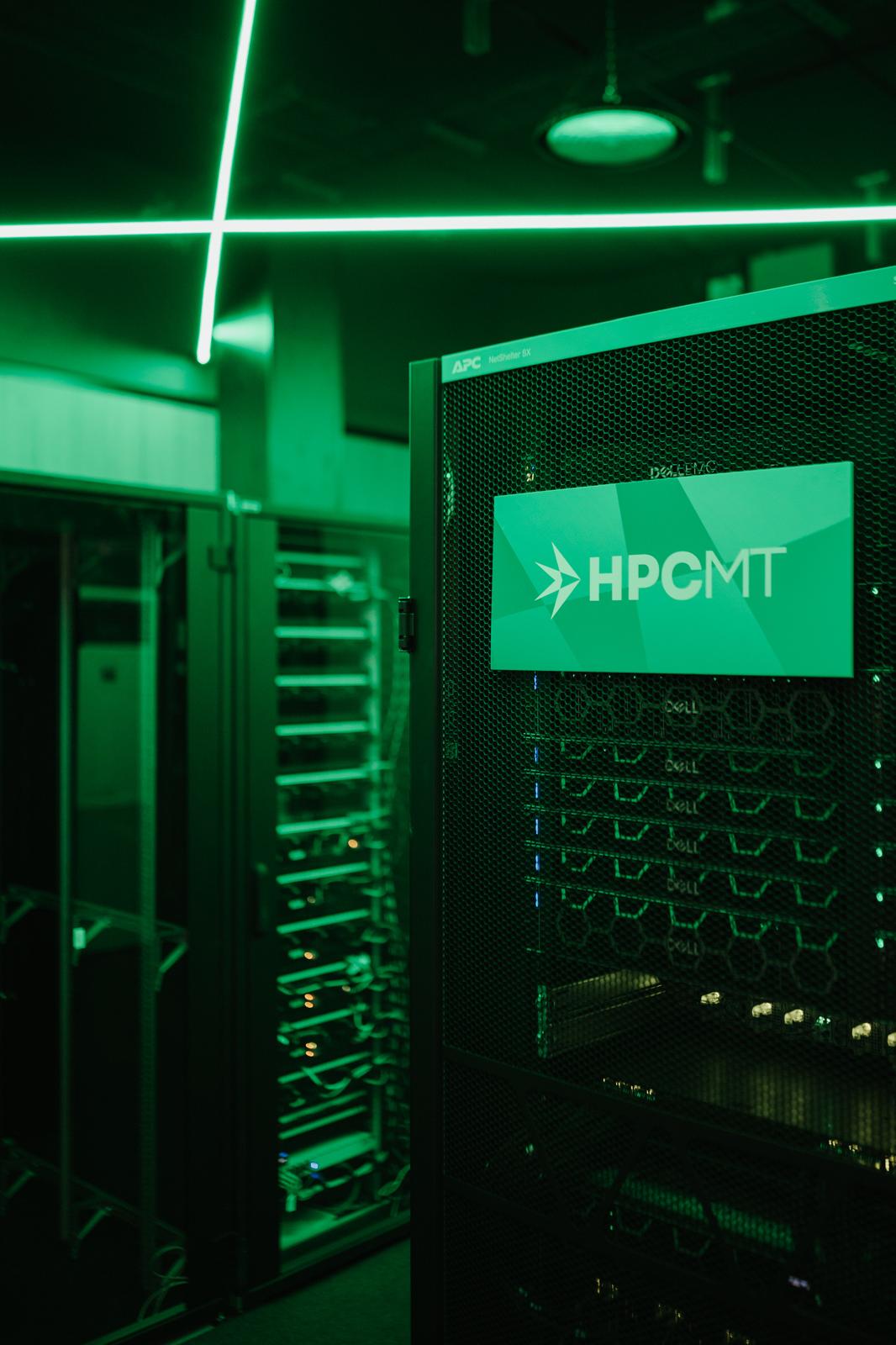
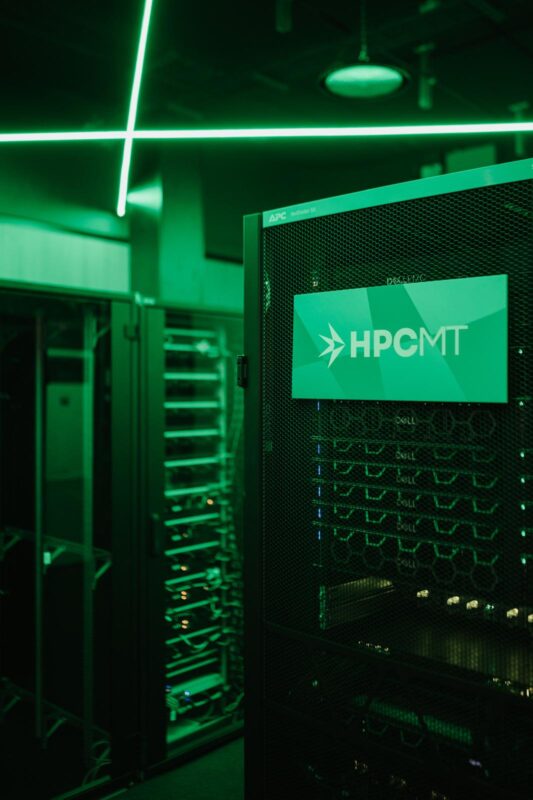
Malta has quietly made a big step in innovation with the launch of HPCMT, one of the nation’s first high-performance computer, unveiled as part of DiHubMT, Malta’s European Digital Innovation Hub under the Malta Digital Innovation Authority (MDIA). It may not look like much to the casual observer — just sleek black cabinets humming away in an air-cooled data centre—but behind those walls lies the raw power to encourage faster data processing and effect the country’s digital future. For Malta, this is more than a machine; it is a statement of ambition, a declaration that the country, is now more than ever, ready to be part of a larger group made up of Europe’s digital leaders.
For decades, access to vast computing resources has been the privilege of larger nations and multinational corporations. Startups, Medium enterprises (SMEs), researchers and innovators in Malta, by contrast, have often had to rely on services abroad whenever they needed to run large-scale simulations or process enormous datasets. This created barriers for smaller players, from young startups to university research groups, many of whom could not afford the time or cost of renting foreign supercomputing resources. HPCMT changes the rules of the game. By bringing cutting-edge computing power directly to Malta, it allows local innovators to run experiments, train artificial intelligence systems, and process information at speeds never before possible on the island.
At the centre of this new system is an advanced GPU server equipped with two 56-core Intel Xeon processors and eight of the world’s most powerful graphics processors, the NVIDIA H100 SXM5. It is also supported by a general computing cluster of three additional nodes, each packed with high-capacity memory, and a specialised “fat” memory node containing a staggering four terabytes of RAM. This combination makes HPCMT flexible enough to handle everything from deep learning and genomic research to climate modelling and big data analytics.
The power of any computer, however, also depends on how quickly it can move and store information. For that, HPCMT is backed by a sophisticated tiered storage system. At the top, an all-flash tier ensures ultra-fast access to critical data, while behind it lies a massive 640 terabytes of long-term storage. This is accelerated by solid-state drives, dual controllers for reliability, and advanced features like auto-tiering and snapshots. For users, this means being able to work with enormous datasets without worrying about delays or bottlenecks. The entire system is tied together by high-speed InfiniBand networking exceeding 200 gbps per port, ensuring that all the components communicate seamlessly with one another.
While these technical details will impress the engineers and computer scientists, the broader story of HPCMT is what it represents for Malta as a nation. It is the centrepiece of DiHubMT, a European Digital Innovation Hub that offers businesses and startups the ability to “Test Before Invest.” The idea is simple: give innovators access to the tools, mentorship and infrastructure they need to experiment and validate ideas before committing serious resources. HPCMT adds enormous value to this vision. For the first time, Maltese startups working in artificial intelligence or data-heavy industries can prototype their products on one of the most advanced computing systems in the region, levelling the playing field with larger competitors abroad.
The timing could not be better. Around the world, artificial intelligence and digital transformation are reshaping industries at an unprecedented pace. Nations that invest in digital infrastructure today will be those leading in biotechnology, fintech, green energy, healthcare, and beyond. Malta’s decision to launch HPCMT reflects a strategic recognition of this reality. By equipping its innovators with world-class computing power, Malta is building the foundations for a future where ideas can be tested, refined, and brought to market without delay.
The impact of this investment will be felt across multiple sectors. In medicine, HPCMT can help analyse vast amounts of genetic data, paving the way for breakthroughs in personalised healthcare. In finance, it can simulate complex risk models, supporting the development of new fintech solutions. In climate research, it can run advanced simulations to understand the effects of rising sea levels or energy usage. And in artificial intelligence, it provides the computational muscle needed to train next-generation models that could underpin everything from autonomous vehicles to smart manufacturing.
But beyond research, HPCMT is also about opportunity. It sends a strong signal to foreign investors and institutions that Malta is serious about digital innovation. It strengthens the country’s ties to European networks and creates new avenues for collaboration such as the Joint Undertaking and EuroHPC institutions. And perhaps most importantly, it ensures that Maltese students, researchers and entrepreneurs have access to the same advanced tools as their peers in larger countries.
In the end, HPCMT is not just a supercomputer. It is a catalyst. It is the spark that can ignite a new wave of innovation, giving Malta the chance to punch above its weight in the global digital economy. In the quiet hum of its processors lies the potential to transform industries, inspire new businesses, and shape the country’s future. For Malta, this is not only a technological achievement but a symbolic one: a declaration that in the race towards digital competitiveness, the nation is not standing still, but stepping boldly into the future.