-
Image

-
Publish in core platform
No
-
Link Type
Organization url
-
Digital technology / specialisation
Digital skillsDigital skill level
Basic Intermediate AdvancedGeographic Scope - Country
MaltaType of initiative
Local initiative

Malta Digital Skills and Jobs Platform (LISP)


In today’s increasingly digital world, equipping individuals with strong digital skills is not only a matter of educational advancement but a critical step towards national economic resilience and competitiveness. As digital transformation accelerates across all sectors, Malta continues to invest in preparing its current and future workforce for the challenges and opportunities ahead.
Digital competence is no longer confined to the ICT sector. It is a key requirement across industries — from manufacturing and healthcare to tourism and financial services. Recognising this, Malta has undertaken numerous national initiatives aimed at embedding digital literacy across the educational system, as well as promoting lifelong learning in the workforce.
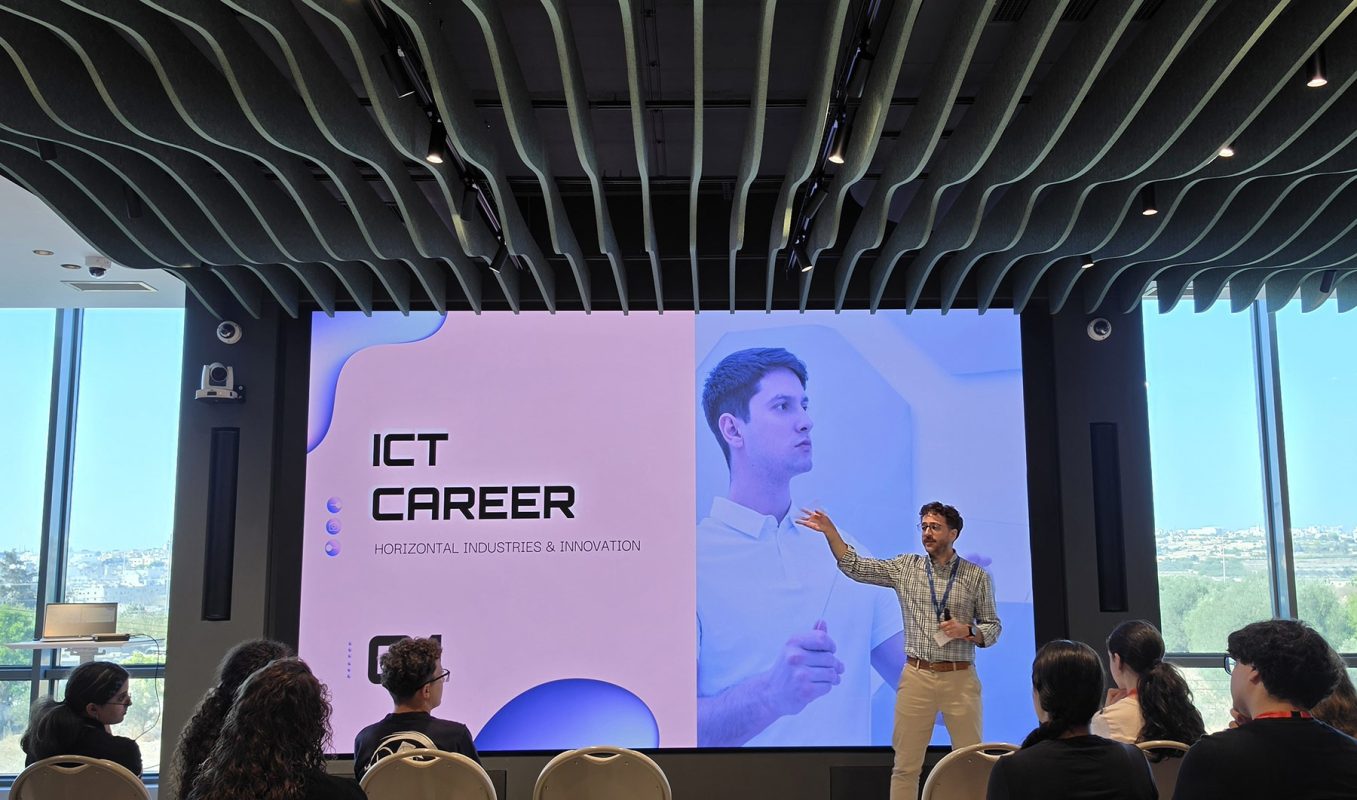
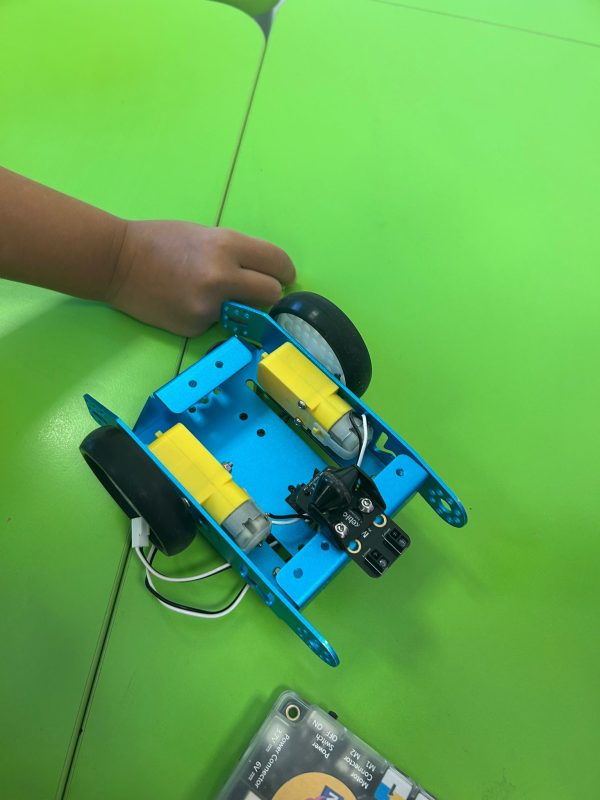
Significant progress has been made in recent years. Through efforts led by organisations such as the Malta Digital Innovation Authority, in collaboration with educational institutions, government bodies, and industry stakeholders, digital education is becoming more integrated into the national curriculum and vocational training programmes. Initiatives such as EU Code Week, bootcamps, industry visits, and awareness campaigns have successfully introduced thousands of students and adult learners to emerging technologies, programming, and digital tools.
These efforts are already producing measurable impact. There has been a notable increase in student participation in ICT-related subjects and interest in careers linked to digital innovation. Local businesses and start-ups are beginning to benefit from a talent pool that is increasingly digitally proficient and prepared to meet the demands of a modern economy. Importantly, these developments contribute not only to employability but also to fostering a culture of innovation and entrepreneurship.
Yet, digital skills development must extend beyond the traditional classroom. With the rapid pace of technological change, continuous learning has become essential. Upskilling and reskilling initiatives are being implemented to support individuals already in the workforce, ensuring they remain competitive in a digitally driven labour market. Programmes such as the Transformative GenAI Course in Adult Education and events organised as part of ALL DIGITAL Weeks provide valuable opportunities for adult learners to gain new competencies and adapt to emerging technologies.
Inclusivity remains a guiding principle in Malta’s digital skills agenda. Addressing the gender gap in ICT, for instance, is an ongoing priority. Events such as Girls in ICT Talks and targeted educational outreach are playing a vital role in encouraging more girls and young women to pursue careers in technology, thereby contributing to a more diverse and equitable digital future.
Malta’s continued success in shaping a digitally skilled workforce will rely on sustained collaboration between government, academia, and the private sector. By aligning education and training with industry needs, investing in accessible learning opportunities, and fostering a culture of innovation, the country is well-positioned to meet the demands of a fast-evolving digital economy.
By connecting today’s classrooms with tomorrow’s careers, Malta is not just preparing its citizens for the future — it is actively building it.
Disclaimer: This article is based on information gathered from various online sources and intended only for informational purposes. It does not constitute professional advice or recommendations. While the information provided is accurate and true to the best of our knowledge, we make no representations or warranties of any kind, express or implied, regarding the completeness, accuracy, reliability, suitability, or availability of the topics covered. We strongly advise readers to conduct further research and consult appropriate professionals or experts before making any decisions based on the information presented in this article. We disclaim any liability for losses or damages incurred based on the information provided herein.