-
Image
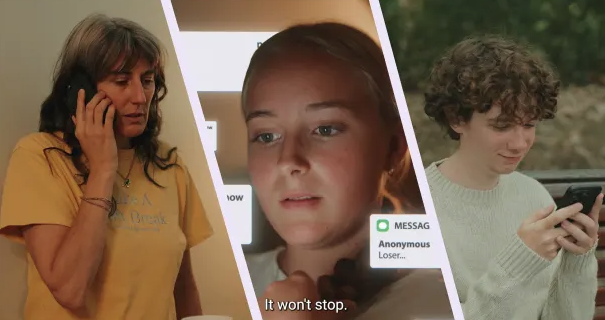
-
Publish in core platform
No
-
URL
https://better-internet-for-kids.europa.eu/en/campaigns/notonourfeed
-
Link text
Discover the toolkit here!
-
Link Type
Same as url
-
Target audience
Digital skills in education.Digital technology / specialisation
CybersecurityDigital skill level
BasicGeographic Scope - Country
European UnionIndustry - Field of Education and Training
Generic programmes and qualifications not further definedTarget language
BulgarianType of initiative
EU institutional initiative
Event setting
Methodology (Long text)
Inspired by the three pillars of the EU action plan against cyberbullying – protection, prevention, and reporting and support – the campaign explored emerging challenges, including AI-related abuse, and highlights the support available through Safer Internet Centres, helplines and trusted flaggers.
Skills resource type
Self-Assessment Tool
Target group
Persons in tertiary education (EQF 6)Organization
Candlefox ENISA Threat Landscape 2026 September 28, 2026
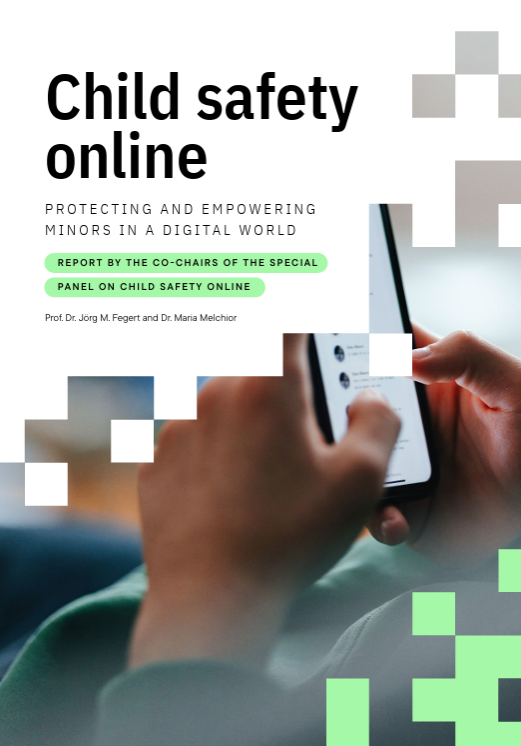 Special panel on child safety online report September 28, 2026
 EU Code Week VET Toolkit April 24, 2026Skip to content

Malta Digital Skills and Jobs Platform (LISP)

Cyberbullying increasingly became an online safety issue for children and young people in Europe. It can occur across social media, messaging apps, gaming platforms and other digital environments. According to the European Commission, around 1 in 6 adolescents have experienced cyberbullying, while 1 in 8 report having participated in it.
To overcome this, the European Commission adopted its Action Plan against Cyberbullying in February 2026, aiming to strengthen prevention, reporting and support for children and young people online.
About the initiative
In August and September 2026, the #NotOnOurFeed toolkit, available through the Better Internet for Kids portal, brought young people, parents and caregivers, teachers and educators together to raise awareness of cyberbullying and promote safer, more respectful online experiences.
Inspired by the three pillars of the EU action plan against cyberbullying – protection, prevention, and reporting and support – the campaign explored emerging challenges, including AI-related abuse, and highlights the support available through Safer Internet Centres, helplines and trusted flaggers.
What does this initiative offer?
The toolkit is designed for different groups involved in preventing and responding to cyberbullying. Young people experiencing cyberbullying can find information and sources of support, while the people who witness online bullying can access guidance on how to help. Parents, guardians, teachers and educators can explore resources to better understand cyberbullying and support young people affected by it. Materials can also be explored by country and language.
The #NotOnOurFeed toolkit is part of the broader ecosystem of resources delivered through the Better Internet for Kids (BIK+) strategy and the network of national Safer Internet Centres. These centres provide awareness-raising activities, guidance and helplines to help children, parents and educators address online risks.

