-
Image
-
Publish in core platform
Yes
-
Link Type
Organization url
-
Digital technology / specialisation
Digital skillsDigital skill level
Basic Intermediate AdvancedGeographic Scope - Country
MaltaType of initiative
Local initiative

Malta Digital Skills and Jobs Platform (LISP)

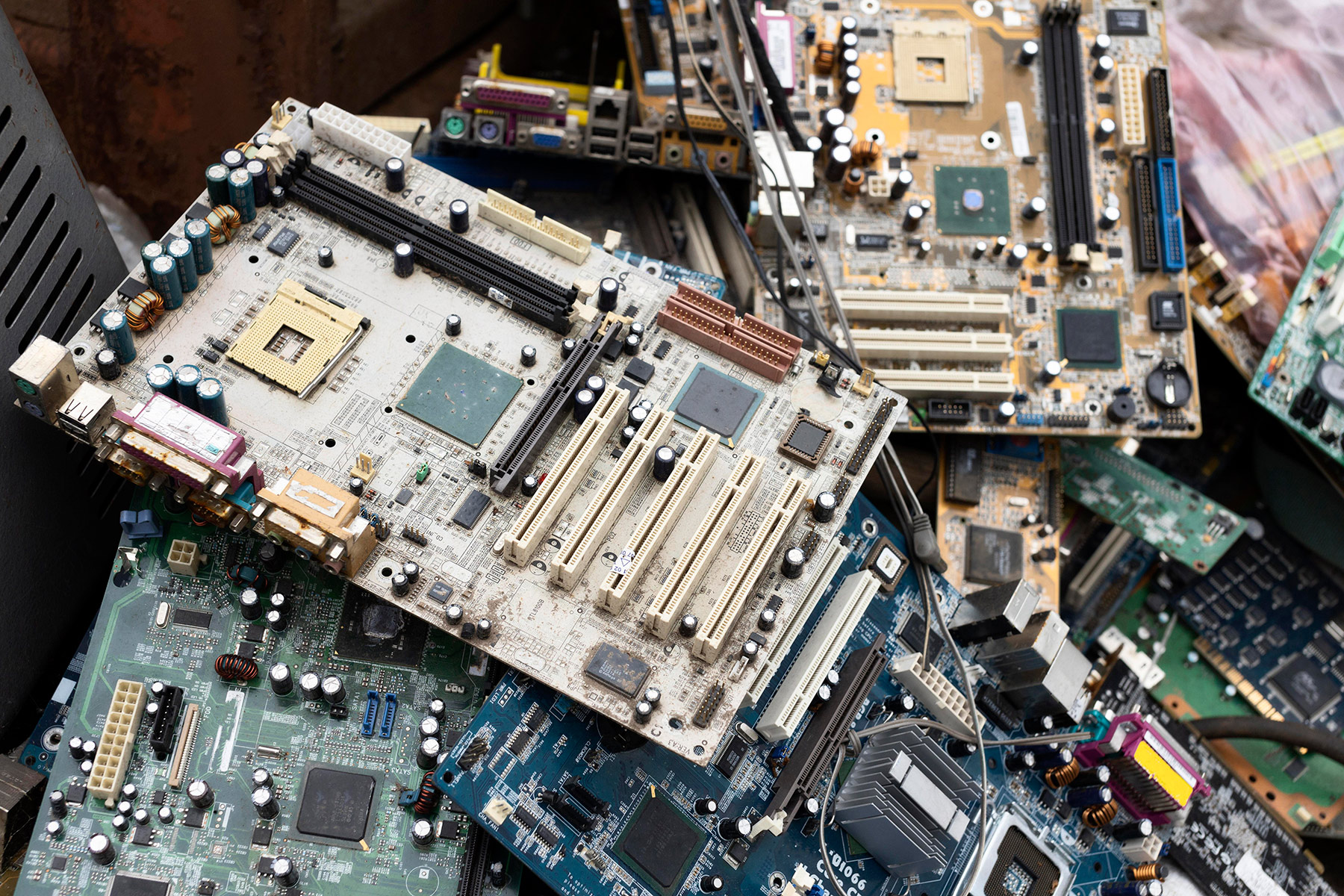
In an age where technological advancements are developing faster than ever, the dark side of innovation is becoming harder to ignore. Mountains of discarded electronic devices are piling up across the globe, creating an ever-growing e-waste crisis. Unlike municipal waste, e-waste is typically composed of a bulky combination of valuable materials and hazardous chemicals. Its toxicity and non-biodegradable nature pollutes natural resources, contaminating soil and water with heavy metals and chemicals. Governments have gone as far as to pay developing countries to receive their exported waste in hopes of reducing excessive waste locally. As society continues to rely on technology in nearly every aspect of life, the question arises: how can we make our devices not only smarter, but also more sustainable? When addressing this issue, the discussion and solutions should not only encompass short-term band-aid solutions, but also long-term resolutions that will safeguard the environment and the people that depend on it.
Perhaps the first thought most people would have when discussing the topic of sustainability is recycling. Governments and local authorities around the world have put in a lot of effort to incentivise waste separation for recycling, but many times people tend to forget that ‘Reduce, Reuse, Recycle’ is not simply a phrase or maxim, but a hierarchical list for waste management. This is especially relevant with regards to E-waste, as the inefficiencies of recycling are increasingly significant when considering the complexity of how electronic items are made. Take a smart phone for example; It is composed of several compact materials, like glass, metal, plastics and ceramics, held in a compact design soldered and glued to remain sealed. Smart phones also contain difficult to separate micro components made of gold, silver, copper and other earth elements. Additionally, the hazardous materials found in components like the battery can combust or cause harm to workers if extracted incorrectly, requiring special facilities to process them safely.
Naturally, reducing and reusing offer a far superior impact on the environment than recycling. The over-consumption of tech products has become a widespread phenomenon in the developed world. This is no doubt attributed to the way people consume the media and advertising. People are constantly incentivised to buy new, seemingly superior, products to replace their older devices, even if they are perfectly functional and usable. Moreover, gimmick devices have become more common than ever. Their entire marketing depends on persuading the consumer to purchase the product either out of sheer novelty or through convincing them that the product will fix a problem they never knew they had. Gimmick products often break quickly, aren’t repairable, have little resale value, and typically end up in landfills or drawers far sooner than standard devices.
Reusing and repairing are equally significant. Even if a tech device breaks, that should not immediately justify the purchase of a new product to replace it. Repairing is typically both the superior environmental and economical option. If a phone is malfunctioning due to a faulty display, it would be better to simply repair one part and generate waste only for a small component, rather than throw away the entire thing. The scope of reusing can travel even further. Donating your old tech could replaces the need for manufacturing a brand-new item. Recycling recovers only part of the valuable materials, often only 20-40%, reuse preserves the entire product, meaning that all the energy and resources that went into making it don’t go to waste.
Although the e-waste crisis may seem overwhelming, the solutions are already within reach. Choosing durability over novelty, repairing over discarding, and donating over hoarding are small but powerful actions. If society commits to prioritising sustainability, innovation will not have to sacrifice the environment.