-
Image
-
Publish in core platform
Yes
-
Link Type
Organization url
-
Digital technology / specialisation
Digital skillsDigital skill level
Basic Intermediate AdvancedGeographic Scope - Country
Non-EU MaltaType of initiative
Local initiative

Malta Digital Skills and Jobs Platform (LISP)

At its core, every website aims to deliver some sort of information or experience to the user. Text, pictures, colours, and audio are the means through which a person interacts with a website, and depending on how effectively these elements are implemented, this may result in either an accessible or inaccessible product. Web accessibility refers to web design and development that are mindful of how users interact with a digital product. Visual and audio cues are harmoniously implemented in ways that can be perceived and navigated by everyone, including people with disabilities.
As such, accessible design is a pivotal aspect of the web development process that prevents digital exclusion. Simple features like keyboard navigation, proper text alternatives, and readable layouts make the web usable for people who rely on assistive technologies. Web accessibility is not limited to enhancing the experience of people with disabilities. When applied properly, it can benefit all users.
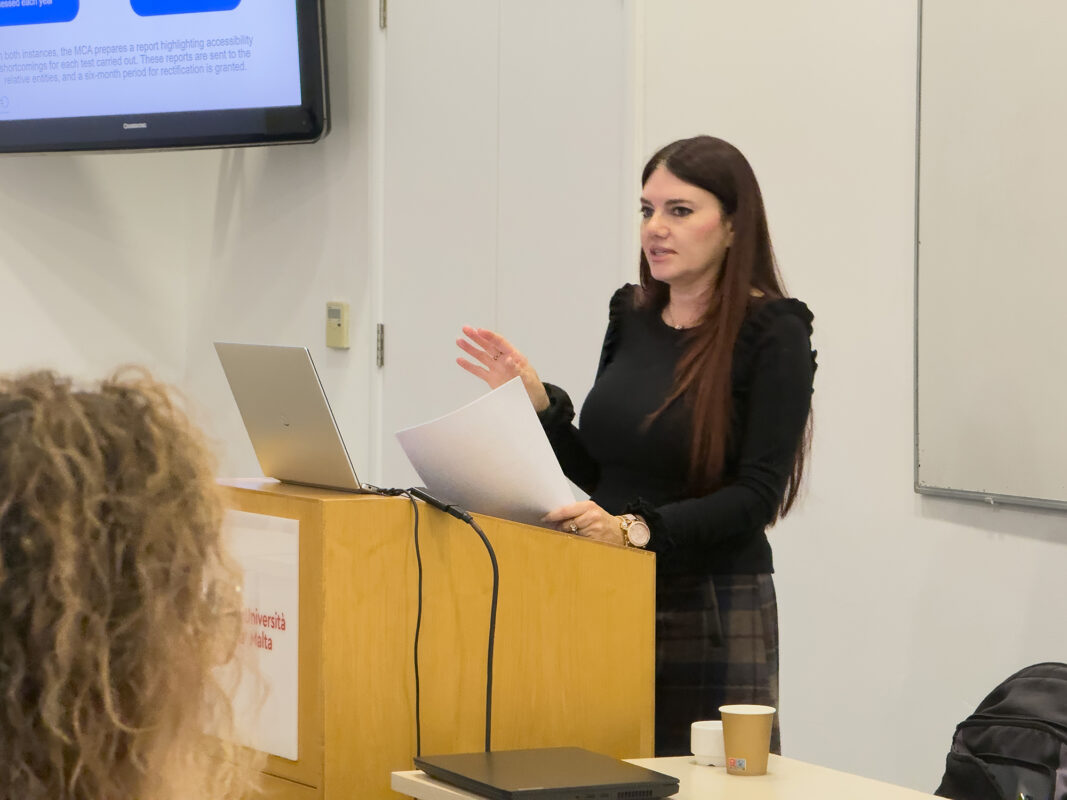
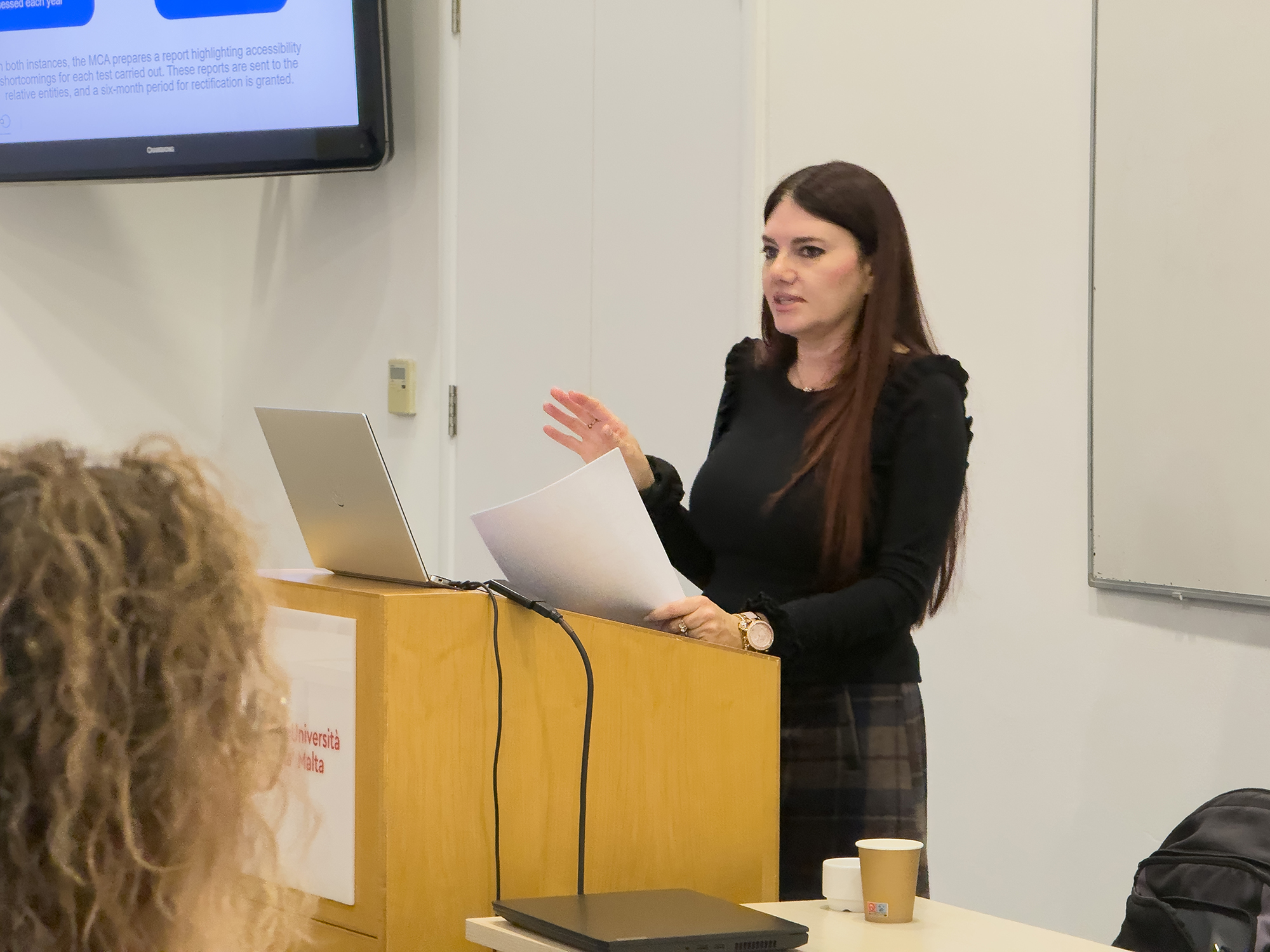
On 28 November and 10 December 2025, MDIA, alongside MCA, hosted two workshops delivered by Prof. Chris Porter, an IAAP-certified Web Accessibility Specialist focused on usable technology. The events were primarily aimed at public sector service providers, with the objective of helping attendees build inclusive digital platforms for online services. During the workshops, participants explored core web accessibility concepts, with emphasis on universal and inclusive design. The sessions also included a more technical overview of how assistive technologies work, with particular emphasis on semantic HTML. Moreover, principles and success criteria from the Web Content Accessibility Guidelines (WCAG) and the Web Accessibility Initiative – Accessible Rich Internet Applications (WAI-ARIA) were emphasised.
In law, this matter holds additional significance, especially in the realm of EU directives and jurisdiction. The concepts align with broader EU goals of digital inclusion and universal access. Directive (EU) 2016/2102 requires websites and mobile apps of public sector bodies to be accessible to all users, including people with disabilities. As a Member State, Malta transposed this obligation into national law through the Accessibility of the Websites and Mobile Applications of Public Sector Bodies Regulations (S.L. 418.03). Parallel protection exists under the European Accessibility Act (EAA), or Directive (EU) 2019/882, which expands beyond public sector websites to cover broader products and services. Additionally, human rights play an essential role in this matter, as broader protection is implemented through Article 26 of the EU Charter of Fundamental Rights, which provides that measures should be taken for persons with disabilities to “ensure their independence, social and occupational integration and participation in the life of the community”. Furthermore, Article 9 of the United Nations Convention on the Rights of Persons with Disabilities (UNCRPD) also requires additional measures to be taken in this regard.
Web accessibility is necessary for the proper usability of digital resources and services. As such, investing in web accessibility is beneficial not only socially but also economically, as it helps connect people within the digital environment. The importance of this matter is emphasised by how extensive legal protection on this subject is. Multiple national and supranational laws ensure protection in this area, facilitating a better digital environment for everyone.