-
Image
-
Publish in core platform
Yes
-
Link Type
Organization url
-
Digital technology / specialisation
Artificial Intelligence Augmented RealityDigital skill level
Basic Intermediate AdvancedGeographic Scope - Country
MaltaType of initiative
Local initiative

Malta Digital Skills and Jobs Platform (LISP)

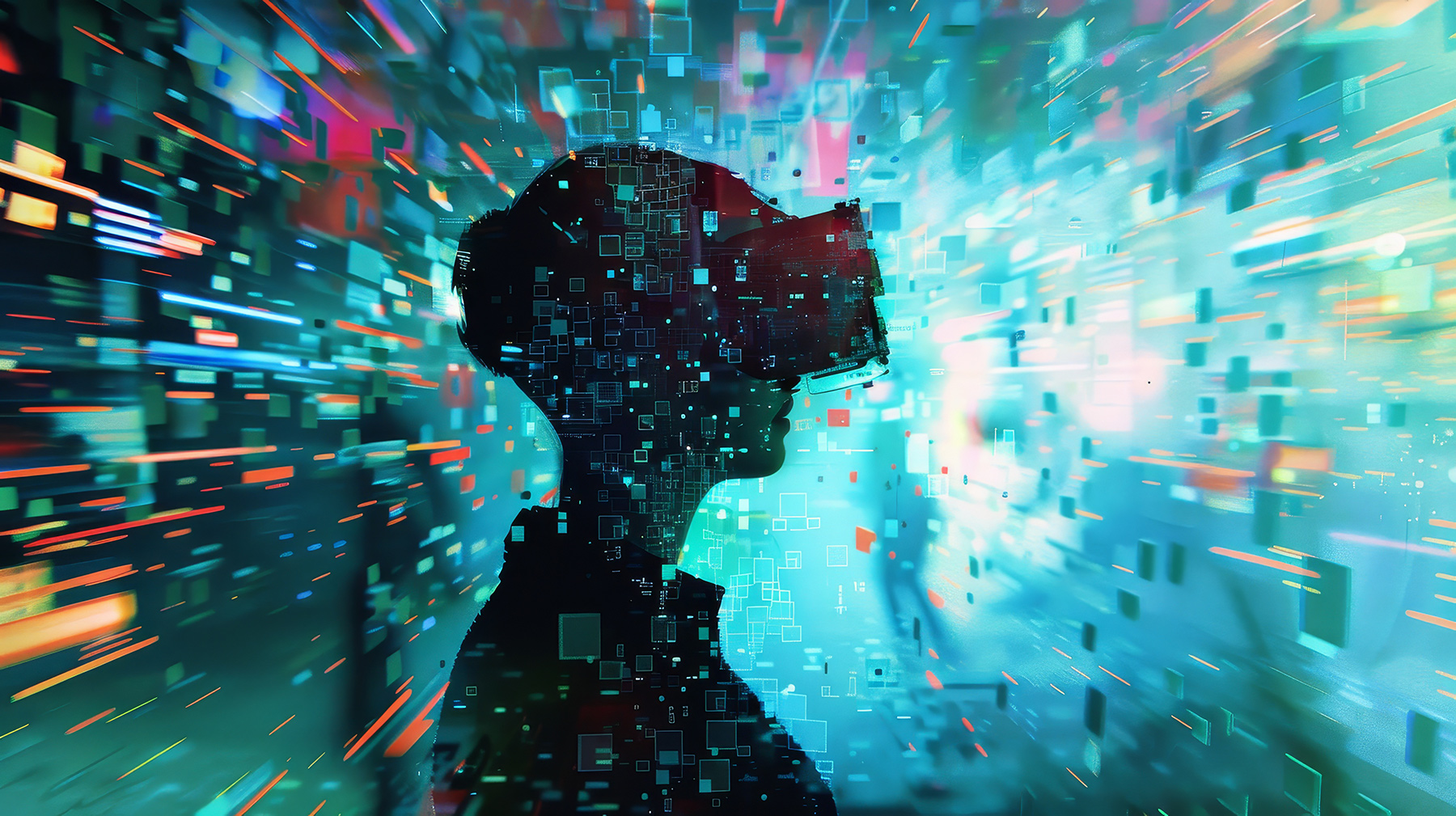
Artificial intelligence (AI) is rapidly transforming our world. AI is making significant strides in various fields, from automated customer service to advanced medical diagnostics. Despite these advancements, the human aspect remains crucial. This article explores why human qualities are still essential in this age of AI.
Creativity and Innovation
Creativity is a hallmark of human intelligence. While AI can process vast amounts of data and identify patterns, it cannot think creatively. Creative thinking involves making connections that are not immediately obvious and often draws on personal experiences, emotions, and intuition. Artists, writers, and inventors rely on their unique perspectives to produce new works and solve problems innovatively.
For instance, consider the world of art and literature. Human artists can convey complex emotions and experiences through their work, creating pieces that resonate on a deeply personal level. No matter how sophisticated, AI can only replicate the styles and techniques it has been programmed to understand. Similarly, in science and technology, ground-breaking innovations often come from thinking outside the box, something AI is not inherently designed to do.
Emotional Intelligence
Emotional intelligence is the ability to understand and manage one’s own emotions and to recognize and influence the feelings of others. This skill is critical in many professions, including healthcare, education, and customer service. AI can analyse data and even recognize facial expressions to some extent. Still, it cannot truly understand or empathize with human feelings.
Take healthcare, for example. AI cannot replicate a doctor’s ability to empathize with patients, understand their concerns, and provide compassionate care. Patients often seek reassurance and emotional support from their healthcare providers, which requires a level of human interaction that AI cannot offer. Teachers use their emotional intelligence to connect with students, understand their needs, and create supportive learning environments in education.
Ethical Decision-Making
Ethical decision-making involves considering values, morals, and the potential impact of decisions on others. AI operates based on algorithms and data, so it cannot make ethical judgments. Humans, on the other hand, can weigh the consequences of their actions and consider what is right or wrong.
In fields like law, medicine, and governance, ethical decision-making is crucial. Judges and lawyers must consider the nuances of each case, doctors must make life-and-death decisions, and policymakers must balance various interests to create fair and just laws. These decisions often involve complex ethical considerations that go beyond the capabilities of AI.
Social Interaction
Humans are inherently social beings. We thrive on interaction with others, which helps us build relationships, work in teams, and create communities. Social skills are essential for effective communication and collaboration. While AI can facilitate communication, it cannot replace the human touch in social interactions.
In the workplace, for instance, effective teamwork relies on trust, mutual respect, and understanding, all built through human interaction. Friendships and family bonds are also strengthened through shared experiences and emotional connections, which AI cannot provide. Social interaction is not just about exchanging information; it’s about forming meaningful connections.
Adaptability
Adaptability is another critical human quality. While AI is designed to learn and adapt based on data, its adaptability is limited to the patterns and information it has been trained on. Humans, however, can think critically, adapt to new situations, and develop novel solutions in the face of uncertainty.
This adaptability is essential in a rapidly changing world. Whether responding to a global crisis, adapting to new technologies, or solving unforeseen problems, humans excel at navigating uncertainty and finding creative solutions. Our ability to learn from experiences, draw on intuition, and innovate makes us uniquely capable of handling the complexities of the modern world.
Conclusion
While AI continues to evolve and enhance various aspects of our lives, the human element remains irreplaceable. Creativity, emotional intelligence, ethical decision-making, social interaction, and adaptability are all areas where humans excel. AI can support and enhance our capabilities but cannot replace the unique qualities that make us human. As we continue integrating AI into our lives, we must value and nurture these human qualities. They enable us to innovate, connect, and thrive in an ever-changing world.
Disclaimer: This article is based on information gathered from various online sources and intended only for informational purposes. It does not constitute professional advice or recommendations. While the information provided is accurate and true to the best of our knowledge, we make no representations or warranties of any kind, express or implied, regarding the completeness, accuracy, reliability, suitability, or availability of the topics covered. We strongly advise readers to conduct further research and consult appropriate professionals or experts before making any decisions based on the information presented in this article. We disclaim any liability for losses or damages incurred based on the information provided herein.