-
Image

-
Publish in core platform
Yes
-
Link Type
Organization url
-
Digital technology / specialisation
Digital skillsDigital skill level
Basic Intermediate AdvancedGeographic Scope - Country
Non-EU MaltaType of initiative
Local initiative

Malta Digital Skills and Jobs Platform (LISP)

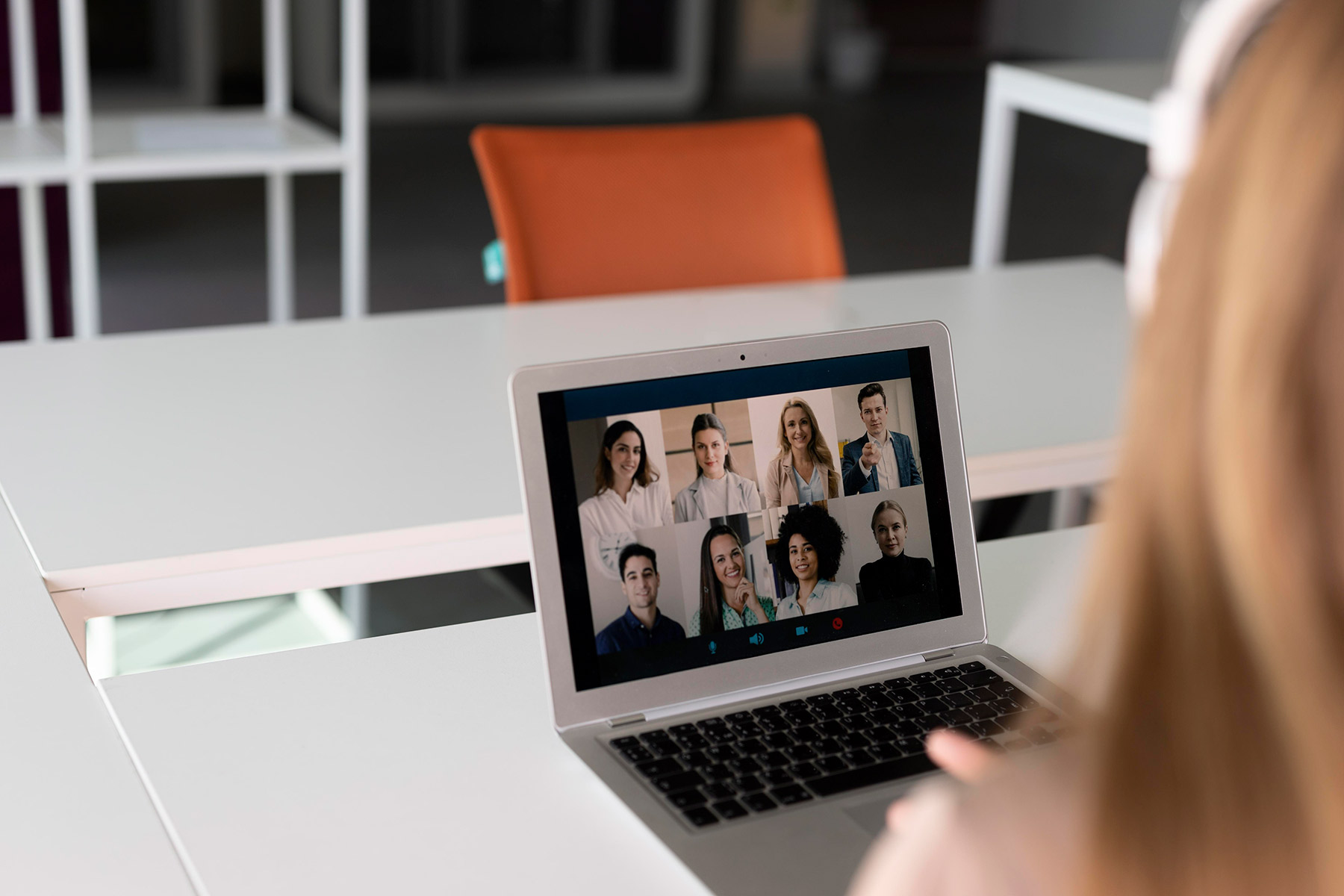
Remote work has emerged as a transformative phenomenon accelerated by technological advancements and the global shift brought about by the COVID-19 pandemic. This contemporary work model provides unmatched flexibility and convenience, empowering employees to work virtually from any location. It thereby redefines conventional workplace dynamics and communication and grants employees greater control over their work-life integration.
Central to the success of remote work are digital skills that facilitate effective collaboration and productivity. Key among these skills is proficiency with collaboration tools such as video conferencing platforms like Zoom and Microsoft Teams, which facilitate face-to-face interactions essential for maintaining team cohesion and conducting virtual meetings. These tools have become indispensable for real-time communication, project updates, and brainstorming sessions, replicating the in-person experience virtually.
Furthermore, project management platforms like Trello and Asana are critical in organising tasks, setting deadlines, and tracking project progress across distributed teams. They provide transparency and accountability, ensuring everyone remains aligned with project goals despite physical distance. Additionally, cloud storage solutions such as Google Drive and Dropbox facilitate seamless file sharing and collaboration on documents, presentations, and other shared resources, eliminating physical storage constraints and enabling real-time access from any location.
Effective online collaboration hinges on establishing clear communication channels and setting expectations for responsiveness. Regular virtual meetings and check-ins are not just essential for fostering a sense of teamwork, but they also create a strong sense of unity among remote team members, preventing isolation and enhancing productivity. These practices contribute to a positive work culture where ideas can be shared freely and decisions made collectively.
Remote work environments also demand robust time management skills to navigate distractions and maintain productivity. Techniques like the Pomodoro Technique, which breaks work into focused intervals punctuated by short breaks, can boost concentration and efficiency. Equally important is setting boundaries between work and personal life, taking regular breaks, and preventing burnout. This emphasis on personal well-being puts the control back in the hands of the employees.
Digital literacy is another critical component of remote work success. Proficiency in troubleshooting technical issues, implementing cybersecurity measures such as VPNs and two-factor authentication, and safeguarding personal data are essential for maintaining data security and privacy in remote work scenarios. Continuous learning and staying updated with evolving technologies ensure professionals remain adaptable and competitive in an increasingly digital-driven work environment.
The shift to remote work has prompted organisations worldwide to reconsider their workplace strategies. Many are adopting hybrid work models that blend remote and in-office work. This hybrid approach not only accommodates diverse employee preferences but also leverages the benefits of remote work, such as reduced commuting time and increased flexibility while maintaining opportunities for face-to-face collaboration and team bonding.
In the future, proficiency in remote work will continue to be essential for the contemporary workforce. It will influence the evolution of work dynamics as organisations increasingly prioritise flexibility and adaptability. Individuals who embrace and develop these skills stand to thrive in remote work environments, enjoying improved work-life balance and productivity. As remote work becomes the new standard, effectively utilising collaboration tools and navigating digital landscapes will be essential for success in the evolving global economy.
Disclaimer: This article is based on information gathered from various online sources and intended only for informational purposes. It does not constitute professional advice or recommendations. While the information provided is accurate and true to the best of our knowledge, we make no representations or warranties of any kind, express or implied, regarding the completeness, accuracy, reliability, suitability, or availability of the topics covered. We strongly advise readers to conduct further research and consult appropriate professionals or experts before making any decisions based on the information presented in this article. We disclaim any liability for losses or damages incurred based on the information provided herein.