-
Image
-
Publish in core platform
Yes
-
Link Type
Organization url
-
Digital technology / specialisation
Digital skillsDigital skill level
Basic Intermediate AdvancedGeographic Scope - Country
Non-EU MaltaType of initiative
EU institutional initiative

Malta Digital Skills and Jobs Platform (LISP)

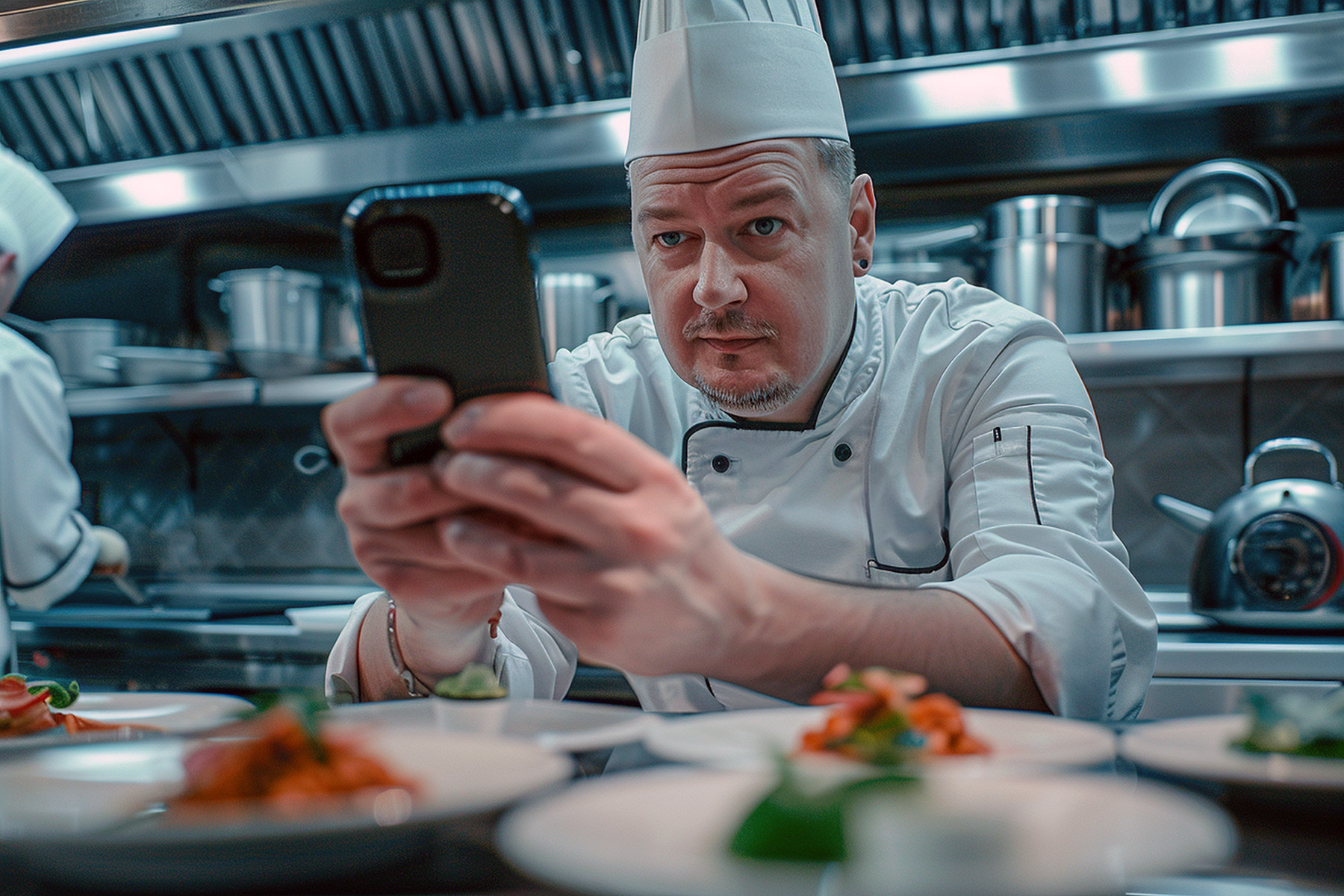
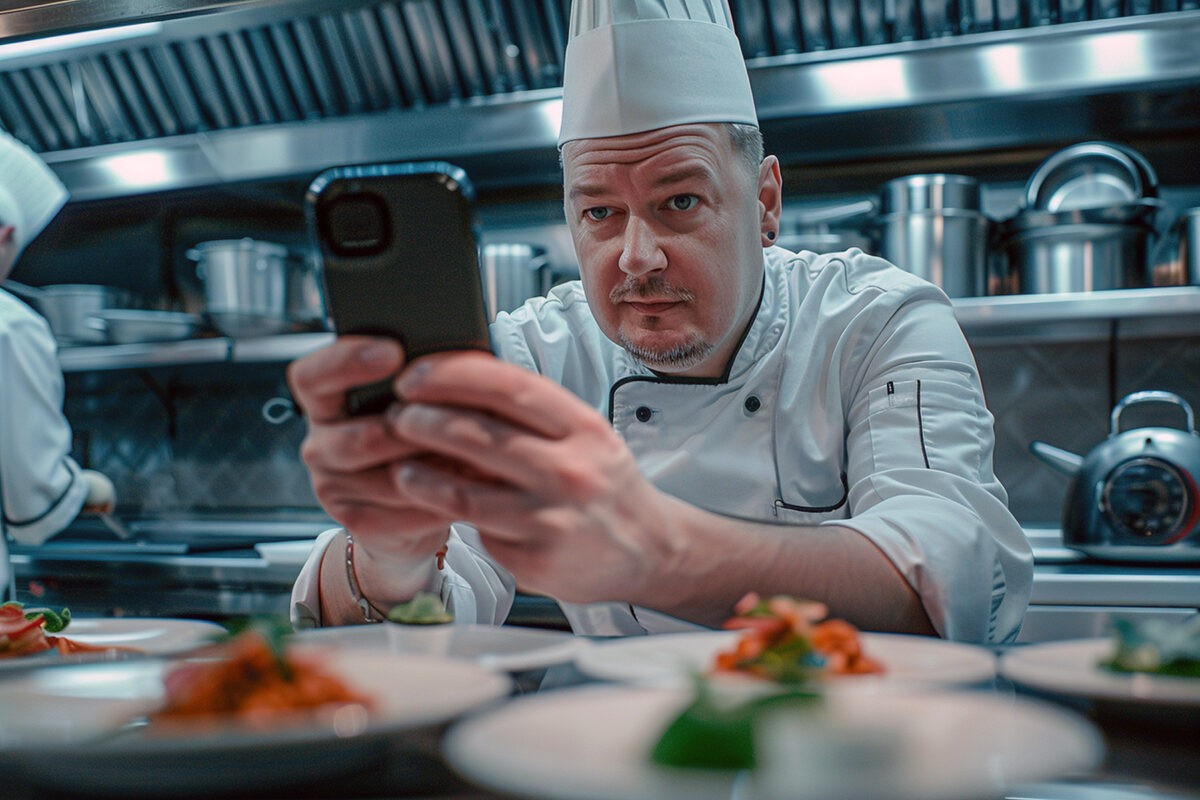
Artificial Intelligence (AI) is making significant inroads into the culinary sector, transforming how food is prepared, served, and experienced. From optimising restaurant operations to enhancing the dining experience, AI is valuable in various aspects of the culinary world. Here are some keyways AI is being used in the culinary sector:
Menu Optimisation and Personalisation
AI can analyse customer data to understand preferences and trends, helping chefs and restaurant owners design menus that appeal to their target audience. For example, AI can identify popular dishes, suggest new recipes based on customer tastes, and recommend seasonal ingredients. Personalised menus can be created for individual diners based on their dietary restrictions, allergies, and past orders, enhancing the overall dining experience.
Inventory Management
Efficient inventory management is crucial for any culinary business. AI can predict inventory needs by analysing sales data, historical trends, and external factors such as weather or local events. This helps reduce waste, manage costs, and ensure that ingredients are always fresh and available. AI systems can also alert staff when stock levels are low, or certain items are nearing expiration.
Cooking Automation
AI-powered kitchen appliances and robots are becoming more common, helping with chopping, mixing, and cooking tasks. These intelligent appliances can precisely follow recipes, ensuring consistency and quality in every dish. AI-driven robots can handle repetitive and time-consuming tasks, allowing chefs to focus on creativity and more complex aspects of cooking. This not only increases efficiency but also helps maintain high standards of hygiene and safety.
Customer Service
AI can enhance customer service in the culinary sector through chatbots and virtual assistants. These AI tools can handle reservations, answer frequently asked questions, and provide recommendations based on customer preferences. For instance, a chatbot on a restaurant’s website can assist customers in finding table availability, placing orders, and offering suggestions for wine pairings. This improves the customer experience by providing quick and accurate responses.
Data-Driven Marketing
Marketing strategies in the culinary sector can be significantly improved with AI. AI can identify patterns and preferences by analysing customer data from social media, loyalty programs, and online reviews. This enables restaurants to create targeted marketing campaigns, promotions, and personalised offers that attract and retain customers. AI can also help predict trends, allowing businesses to stay ahead of the competition.
Enhancing Food Safety
Food safety is a critical concern in the culinary industry. AI can monitor and analyse data from various sources, such as temperature sensors and hygiene checks, to ensure compliance with safety standards. AI systems can detect real-time anomalies and alert staff to potential issues before they become serious problems. This proactive approach helps maintain high standards of food safety and quality.
Recipe Development
AI can assist chefs in developing new recipes by analysing vast databases of ingredients, recipes, and flavour profiles. By understanding how different ingredients interact, AI can suggest unique combinations and techniques that may have yet to be considered. This can lead to creating innovative and exciting dishes, pushing the boundaries of culinary creativity.
Improving Dining Experience
In restaurants, AI can enhance the overall dining experience. Smart tables equipped with AI can allow customers to place orders directly, customise their meals, and quickly request service. AI can also be used to manage wait times and seating arrangements efficiently, ensuring a smooth and enjoyable experience for diners. Additionally, AI-powered recommendation systems can suggest dishes or drinks based on a customer’s previous orders or preferences.
AI is revolutionising the culinary sector by optimising operations, enhancing customer service, ensuring food safety, and driving innovation in recipe development. As AI technology advances, its integration into the culinary world will become even more widespread, offering exciting possibilities for businesses and customers. Adopting AI in the culinary sector improves efficiency and profitability. It elevates the dining experience, making it more personalised, safe, and enjoyable.
Disclaimer: This article is based on information gathered from various online sources and intended only for informational purposes. It does not constitute professional advice or recommendations. While the information provided is accurate and true to the best of our knowledge, we make no representations or warranties of any kind, express or implied, regarding the completeness, accuracy, reliability, suitability, or availability of the topics covered. We strongly advise readers to conduct further research and consult appropriate professionals or experts before making any decisions based on the information presented in this article. We disclaim any liability for losses or damages incurred based on the information provided herein.