-
Image
-
Publish in core platform
Yes
-
Digital technology / specialisation
RoboticsDigital skill level
Basic Intermediate AdvancedGeographic Scope - Country
Non-EU MaltaType of initiative
Local initiative
Link Type
Organization url

Malta Digital Skills and Jobs Platform (LISP)

On 12th June 2024, eSkills Malta Foundation hosted a webinar titled “Empowering Students through Robotics,” where we explored best practices in teaching robotics from both Government and Church schools’ perspectives. The event featured an engaging panel discussion, presentations by experienced educators, and two insightful video clips showcasing students in Malta who are studying robotics.
Panel Discussion
The panel brought together esteemed experts in the field:
Mr. James Callus, Head of Department Digital Literacy within the Directorate for Digital Literacy and Transversal Skills, and the EU Code Week Edu Coordinator for the Ministry for Education, Sport, Youth, Research, and Innovation.
Ms. Roberta Trapani Maggi, Head of the Department for Digital Literacy and Transversal Skills within the Secretariat for Catholic Education, an Engineer, and a STEM educator with degrees in Electrical Engineering, Science Education, and Digital Education.
Moderated by Mr. Carm Cachia, Chief Administrator of eSkills Malta Foundation, the panel discussion began by acknowledging the growing role of robotics in society and various industries, emphasising the importance of introducing students to robotics earlier on. Both panellists stressed that integrating robotics into school curricula helps demystify the technology and develop critical skills such as problem-solving and critical thinking, essential for students’ future careers in STEM fields.
Key Insights from the Discussion
Hands-On Learning: Engaging students in hands-on robotics projects enhances their computational thinking and problem-solving skills. This playful yet educational approach fosters resilience and persistence, particularly beneficial for students with learning difficulties.
Inclusivity: Robotics caters to diverse learning styles, offering tangible, hands-on building experiences and text-based programming, making the subject accessible and personalised.
Challenges and Solutions: The high cost of robotics kits and the need for comprehensive teacher training were highlighted as primary challenges. Suggested solutions include seeking external funding and resource pooling among schools, along with extensive teacher training to integrate robotics effectively across curricula.
Educators’ Presentations
Mr. Charles Axisa from Savio College: With over 30 years of teaching experience in Computing and 15 years dedicated to robotics, Charles has guided students in numerous competitions, both locally and internationally. He highlighted the multifaceted nature of robotics education, emphasising practical activities like soldering and drilling, and the significant impact on student engagement and skills development. He described the Romecup as a major robotics event featuring competitions, demonstrations, and exposure areas. Preparing for the competition is time-intensive, requiring around 150 hours of after-school work. Students are involved in every step, from design to execution, fostering a deep understanding of the subject matter. The teacher acts as a mentor and motivator, helping students navigate the emotional and psychological challenges of the competition. A video interview with students who participated in the Romecup was shown, capturing their experiences.
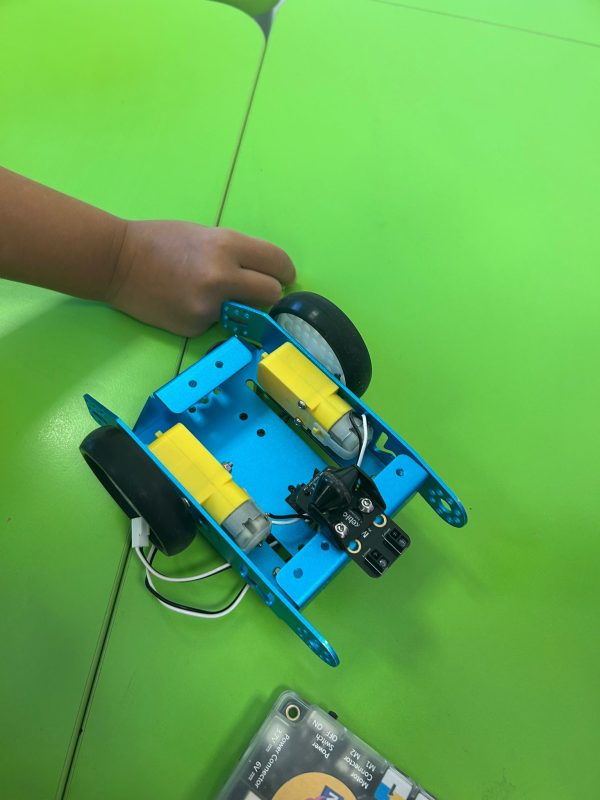
Mr. Mohamed Ben Hadj Salem from St Benedict Secondary School Kirkop: With 17 years of teaching experience in Tunisia and now teaching in Malta, Mohamed has inspired many students. He founded a robotics club at his current school, engaging students in competitions such as CodeSprint and EU Code Week. Moreover, he is committed to inclusion, working tirelessly to ensure that students with disabilities can excel in coding and robotics. He emphasised the multifaceted benefits of integrating robotics into education, particularly in fostering inclusion, enhancing social-emotional skills, and preparing students with essential skills for the future. A video captured on 29th May when the eSkills Malta Foundation team visited his class, was shown. During this lesson, the students were collaborating to build an automatic barrier gate using Arduino. This project incorporated various components such as an Arduino board, an ultrasonic sensor, and a servo motor, demonstrating the practical application of the tools and concepts we discussed earlier.
Mr. Nathaniel Agius founder and director of Noble Courses: He spoke about the importance of coding skills development through robotics. With a strong background in coding, IT skills, and business, Nathaniel has successfully expanded his company to Macedonia and has been invited to speak at different schools in London, on the topic of online safety for kids. He emphasised the importance of never limiting a child’s creativity, allowing them to design, build, and experiment freely with their robots. Nathaniel’s approach highlights the development of technical skills, creativity, and teamwork among students. He commented that robotics often presents challenges, such as a robot not moving or a code malfunctioning. Students must collaborate, discuss, and solve these issues, enhancing their teamwork and technical abilities. Nathaniel will be cultivating these skills in the robotics classes during SkolaSajf 2024.
Conclusion
The “Empowering Students through Robotics” webinar provided valuable insights into the integration of robotics in education in Malta. By sharing best practices, the event underscored the transformative potential of robotics in fostering essential skills and inclusive learning environments. We thank all participants, speakers, and the organising team for making this event a success. We look forward to continuing our commitment to supporting and promoting innovative and engaging educational practices.
Watch the full webinar video below to explore these discussions and insights in detail.
Charles Axisa – Robotics and Computing teacher – Savio College
Savio College: Artificial Intelligence and Robotics
Robotics Session St Benedict’s College Secondary School Kirkop