-
Image
-
Publish in core platform
Yes
-
Link Type
Organization url
-
Digital technology / specialisation
Artificial Intelligence Digital skillsDigital skill level
Basic Intermediate AdvancedGeographic Scope - Country
MaltaType of initiative
Local initiative

Malta Digital Skills and Jobs Platform (LISP)

Felix Casaru
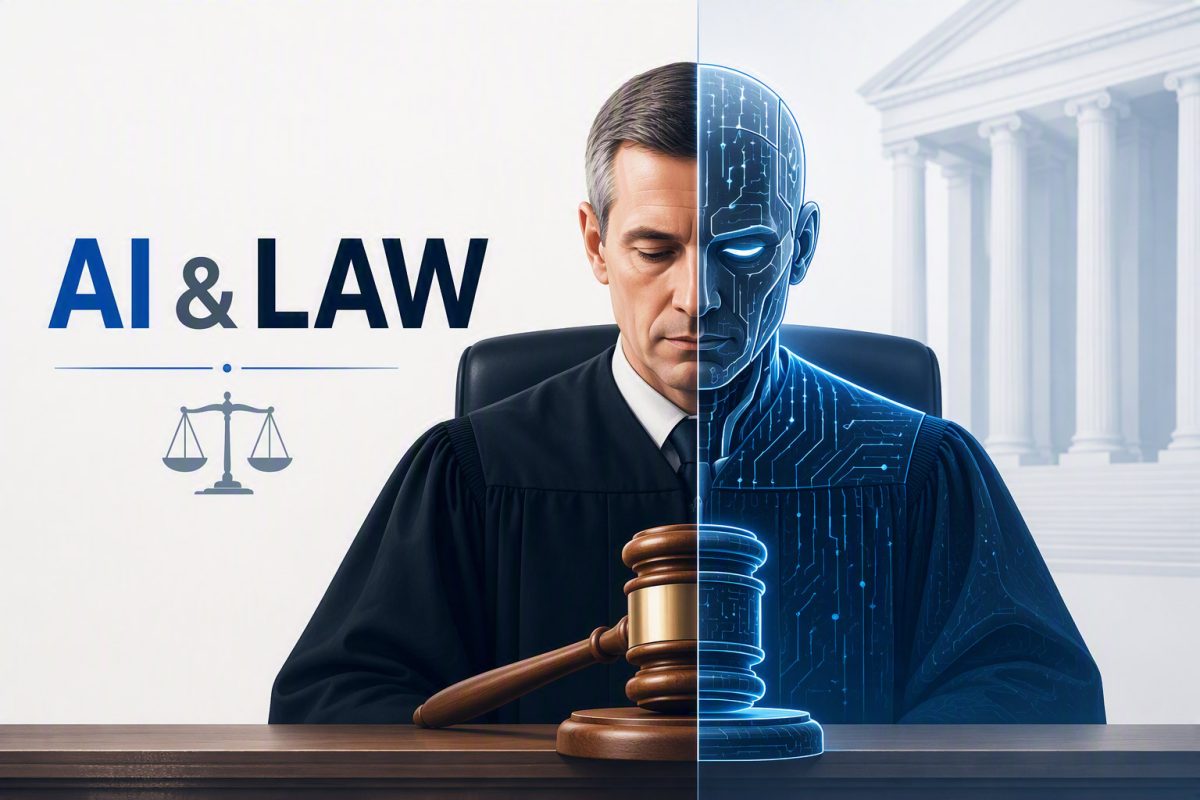
On March 26, 2025, Jerome DeWald appeared before the New York State Supreme Court Appellate Division, and in a now viral clip, made use of (or at least attempted to use) a recording of an AI agent to address the court room on his behalf. Justice Sallie Manzanet-Daniels and the rest of the panel quickly interrupted the recording, permission to use such a tool had never been requested and he was subsequently asked to remove it.
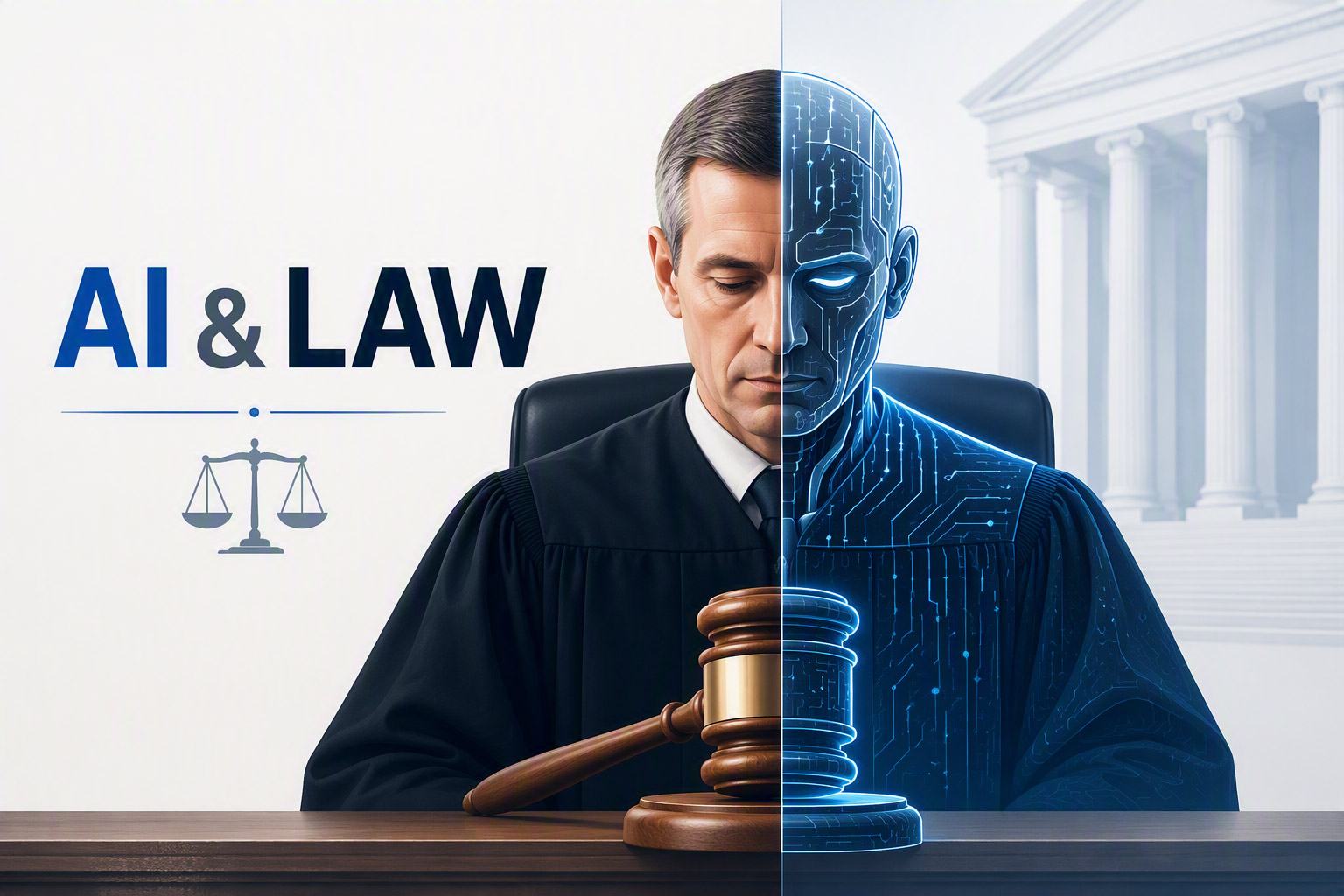
It seems that practically every industry has been affected by the development of modern generative AI. Perhaps this case would incline most people to believe that the legal field remains unchanged, even by the monumental forces and influences of this new technology, but more recent developments suggest that assumption may already be under challenge. In May 2026, a claimant in the United Kingdom succeeded in a court case after using Garfield AI, an AI-powered law firm regulated by the Solicitors Regulation Authority, to assist with much of the pre-trial legal work. The firm later described the outcome as “a landmark moment, not just for Garfield AI, but for access to justice.” However, it is important to note that the courtroom advocacy itself was still carried out by a human barrister. Nevertheless, the case has fuelled discussion about the growing role AI may play in legal services. Will it make access to justice easier? Was this a one-time success, or will we see more cases in which AI-assisted legal preparation plays a significant role? Most significantly, what does this mean for the legal world at large?
AI systems can generate fictitious cases, incorrect citations, and inaccurate legal analysis while sounding completely convincing.
It should first be noted that the legal world and legislation are constantly evolving and changing. In Common Law systems like the UK, precedent from past judgement is not only something that is noted during proceedings but could very well be the conclusive factor for ongoing cases. As a mixed jurisdiction, the Maltese legal system also considers the significance of past case law. In fact, precedent from previous judgements is so influential in our legal system that when the written law remains silent, case law is used
Perhaps the greatest concern about this technology is that AI systems can generate fictitious cases, incorrect citations, and inaccurate legal analysis while sounding completely convincing. Several courts have already encountered filings containing AI-generated false authorities; a popular example is that of Mata v. Avianca, Inc. In this case the plaintiff party submitted evidence, which was completely fabricated and hallucinated by Chat GPT, resulting in the judge sanctioning the attorneys by issuing a $5,000 fine and requiring them to notify the real judges whose names had been fraudulently attached to the fake opinions. Moreover, AI systems learn from existing data. If that data contains biases, AI may reproduce or even amplify them. Regulators have identified bias as a significant risk in legal applications. There’s also an accountability problem. If this technology becomes normalised and standard in the industry, who will take accountability when it fails? Would it be the legal expert, the firm, or the software developer? Perhaps the most nuanced question that has been brought up is whether this technology will negatively impact future generations of legal experts. A few questions that come to mind are whether future generations will struggle to find junior level work, or if the over reliance on this tech will deteriorate the quality of our legal experts.
Law firms will need to strike a balance between the efficiency of automation and the valuable nuance of human problem-solving.
Historically, the legal profession has repeatedly adapted to technological change. Nowadays, the ability to conduct online legal research is considered a basic professional skill rather than specialised knowledge. It is likely that AI-adoption will shift the standards in the industry in much the same way the tech and online revolution did a few decades ago. Moreover, a lawyer capable of effectively using AI tools for research, document review, and case preparation may be able to deliver work more efficiently than a colleague who relies exclusively on traditional methods, but this is not say that an over-reliance on this technology will be exponentially beneficial. Law firms will need to strike a balance between the efficiency of automation and the valuable nuance of human problem-solving. Further, if routine legal tasks become increasingly automated, law schools and professional training programmes may need to redesign their content and delivery methods around that new reality.
Regardless, at least at present, machine outputs should remain subject to human review. Lawyers will need to verify citations, cross-reference authorities, and identify potential hallucinations before relying on AI-generated work product. Without these kinds of guardrails in place, using LLMs to handle the work of trainees and junior associates becomes a risky endeavour, and one which ultimately may compromise the profession’s talent pipeline. Regardless, it seems that Machine learning’s relevance is continually increasing. As such, employers in the legal fields and similar professions need to start upskilling their work force in order to keep up with industry demands. These should focus not only on teaching legal professionals how to use AI tools effectively, but also on developing the skills necessary to critically assess their outputs.
This article is based on information gathered from various online sources and intended only for informational purposes. It does not constitute professional advice or recommendations. While the information provided is accurate and true to the best of our knowledge, we make no representations or warranties of any kind, express or implied, regarding the completeness, accuracy, reliability, suitability, or availability of the topics covered. We strongly advise readers to conduct further research and consult appropriate professionals or experts before making any decisions based on the information presented in this article.
We disclaim any liability for losses or damages incurred based on the information provided herein.
This document was prepared with the assistance of generative AI tools for editorial support. Any AI-generated suggestions were reviewed, edited, and validated by the authors, who remain fully responsible for the final content. AI tools were further used for image-generation.