-
Image
-
Publish in core platform
Yes
-
Link Type
Organization url
-
Digital technology / specialisation
Digital skillsDigital skill level
Basic Intermediate AdvancedGeographic Scope - Country
MaltaType of initiative
EU institutional initiative
 Advanced Digital Skills Demand Dashboard 2026 November 13, 2026
 Experts call for a new approach to Neuro-AI governance October 27, 2026
 A Leadership Reskilling Lens for the Age of AI (deep-dive) October 26, 2026

Malta Digital Skills and Jobs Platform (LISP)

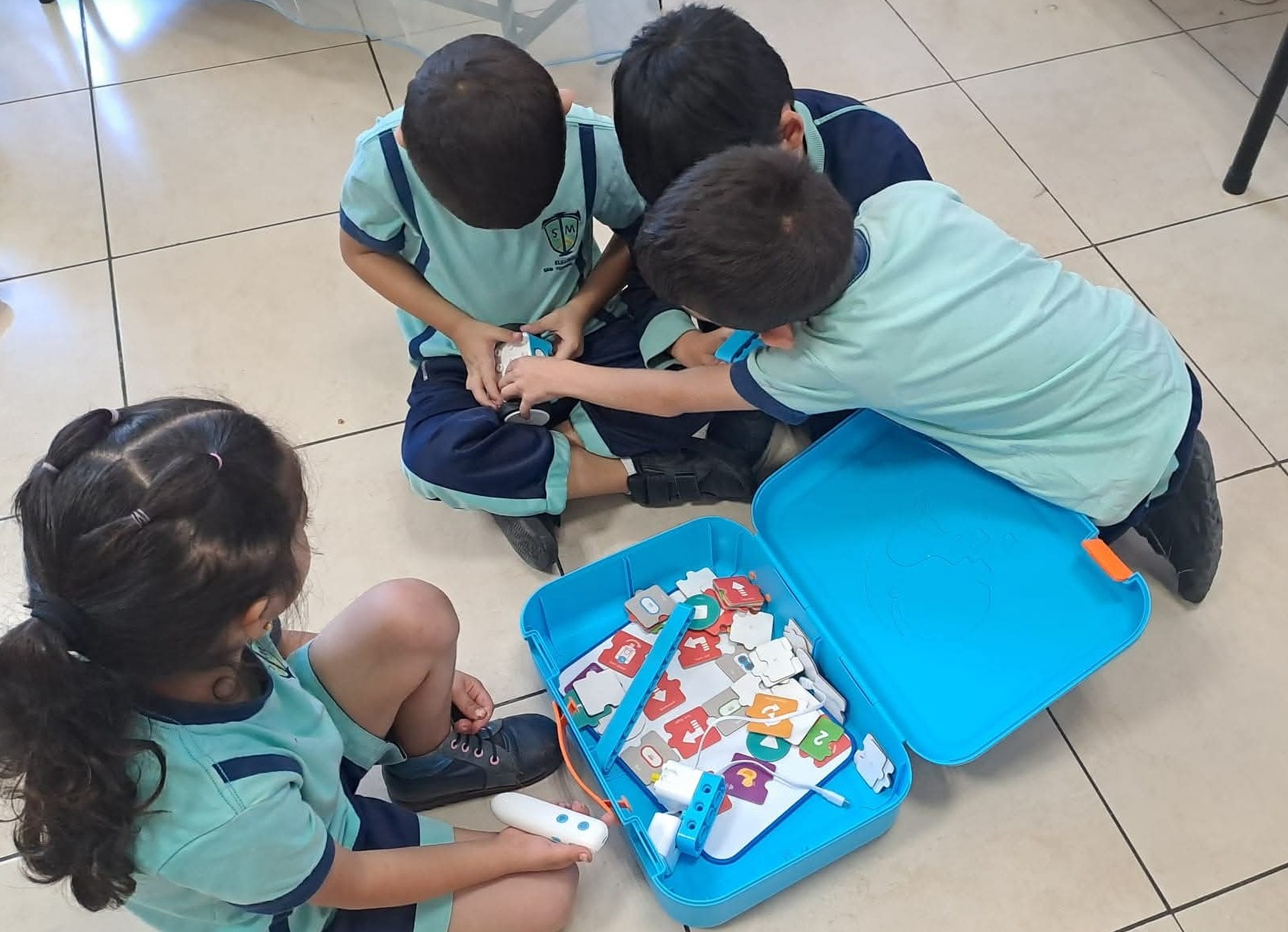
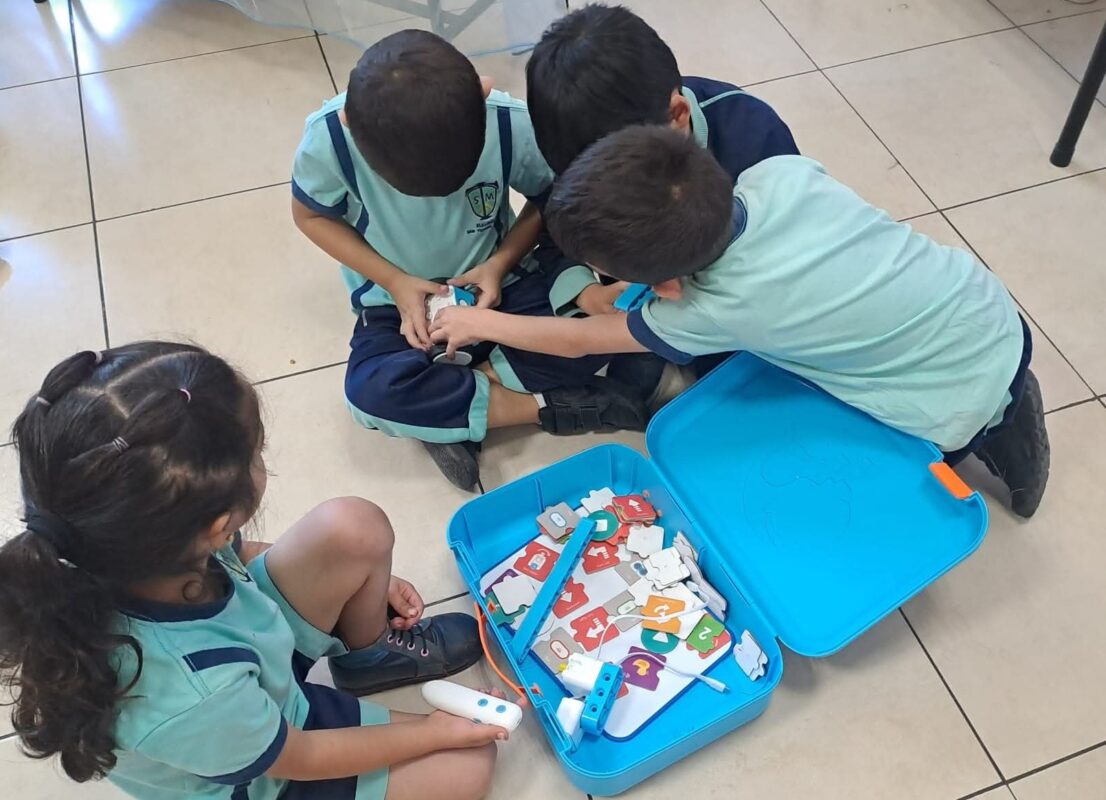
On the 29th of October 2026, MDIA joined up with Nobel Courses to carry out an Unplugged event at St Anne Primary School Marsaskala. Unplugged asks the question; can understanding and learning about technology come from physical software-free activities? The answer is a definite yes, sometimes tech education starts with following instructions, recognising patterns, or working together to solve a problem. Through its unplugged coding activities, the Malta Digital Innovation Authority (MDIA) introduces children to the thinking behind programming through hands-on experiences that require no tech devices.
Unplugged coding shows us how the foundations of computer coding can still be taught without programming without relying on screens or software. Instead, students are given an opportunity to explore these concepts through games, movement, and collaborative challenges. MDIA’s unplugged activities include basic introductions to sequencing, algorithms, loops, debugging, and simple conditional instructions. Sequencing involves placing instructions in the correct order, while an algorithm is a set of steps designed to complete a task. Loops introduce repetition, and debugging involves finding and correcting mistakes. Conditional instructions explain how an action can depend on whether a particular condition is met.
These ideas can be demonstrated through familiar situations. For example, giving a classmate directions through an imaginary maze requires clear instructions and careful sequencing. If the directions ends up leading to the wrong destination, students can review the steps and identify what needs changing. This clearly demonstrates how an unplugged exercise can give an abstract concept a tangible explanation.
Unplugged’s value is not only limited to providing an introduction to programming. The activity incentives group activities and encourages children to build on, share and explain their ideas through teamwork. They also create opportunities to practise patience and persistence when an initial approach does not produce the expected result. As such the event offers an opportunity to develop computational thinking skills through breaking a task into manageable steps, checking instructions, and reconsidering an unsuccessful solution, which are all useful approaches to everyday challenges. Moreover, introducing these habits through play can help children become more comfortable with asking questions and experimenting.
MDIA’s unplugged activities form part of its broader efforts to strengthen digital skills among young students. Involvements with Skolasajf has expanded student opportunities to learn about coding, robotics, and artificial intelligence across centres in Malta and Gozo. These initiatives also connect with the objectives of EU Code Week, which promotes coding, computational thinking, and digital creativity. This October session with Nobel Courses was yet another occasion in which young learners could learn the principles behind technology through accessible activities, unplugged learning offers a practical starting point for further exploration.
It seems that the influence of modern technology is increasingly becoming more present in our daily lives. As such, understanding how digital tools function is an essential learning experience for our future generations. Activities such as these can help children begin that learning journey with curiosity, confidence, and an appreciation of the thinking involved in creating technology. With this in mind, Unplugged provide foundations that learners can build upon through later digital experiences.
This article is based on information gathered from various online and offline sources and intended only for informational purposes. It does not constitute professional advice or recommendations. While the information provided is accurate and true to the best of our knowledge, we make no representations or warranties of any kind, express or implied, regarding the completeness, accuracy, reliability, suitability, or availability of the topics covered. We strongly advise readers to conduct further research and consult appropriate professionals or experts before making any decisions based on the information presented in this article.
We disclaim any liability for losses or damages incurred based on the information provided herein.
This document was prepared with the assistance of generative AI tools for editorial support. Any AI-generated suggestions were reviewed, edited, and validated by the authors, who remain fully responsible for the final content