-
Image
-
Publish in core platform
Yes
-
Link Type
Organization url
-
Digital technology / specialisation
Robotics Digital skillsDigital skill level
Basic Intermediate AdvancedGeographic Scope - Country
MaltaType of initiative
Local initiative

Malta Digital Skills and Jobs Platform (LISP)

Skolasajf is Malta’s national summer programme offering children a broad mix of cultural, artistic, physical, and educational activities. Through themed sessions, outings, and hands-on experiences, it provides a safe and engaging environment where children can learn, explore new interests, build confidence, and develop teamwork skills.
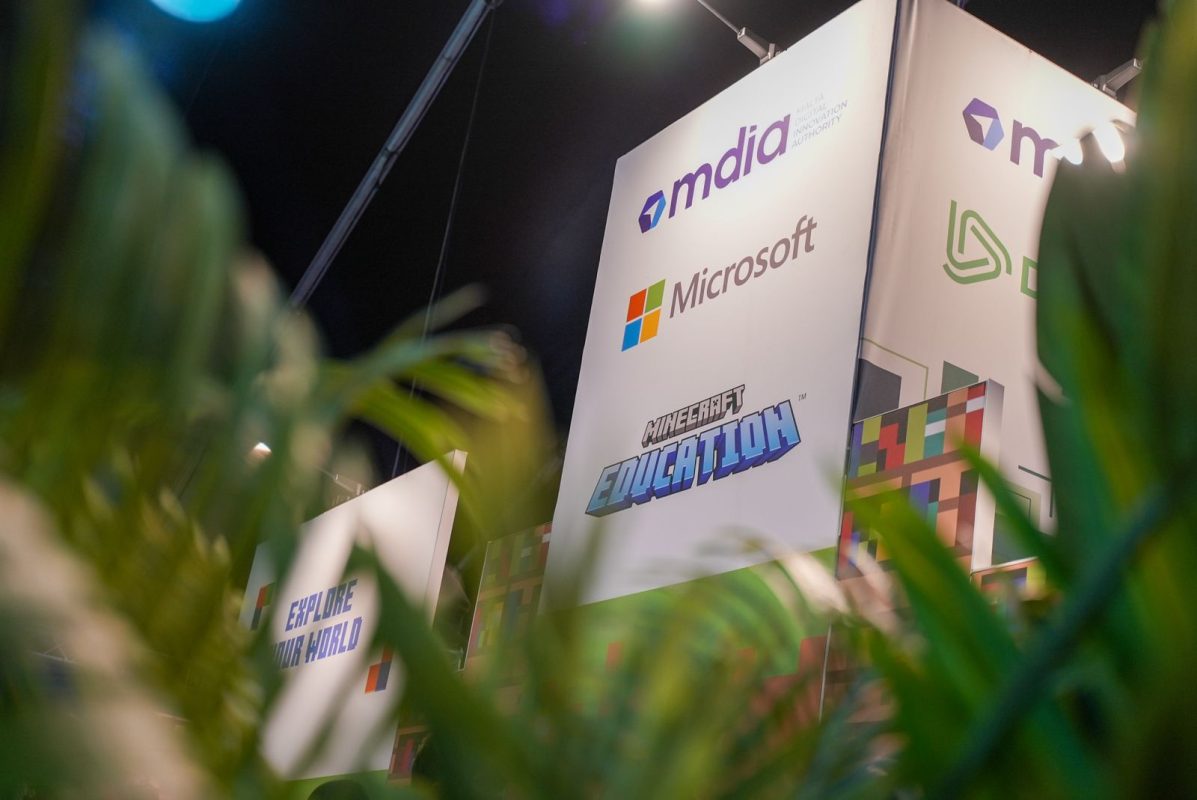
Each year, Skolasajf brings together hundreds of children across Malta and Gozo for a programme centred on creativity and discovery. In recent years, the Malta Digital Innovation Authority (MDIA) has become a key contributor to this initiative, ensuring that digital literacy is part and parcel of the learning experience offered to young participants. MDIA’s involvement not only supports Skolasajf’s educational mission but also aligns closely with Malta’s participation in EU Code Week; the Europe-wide campaign promoting coding, computational thinking, and digital creativity among learners of all ages.
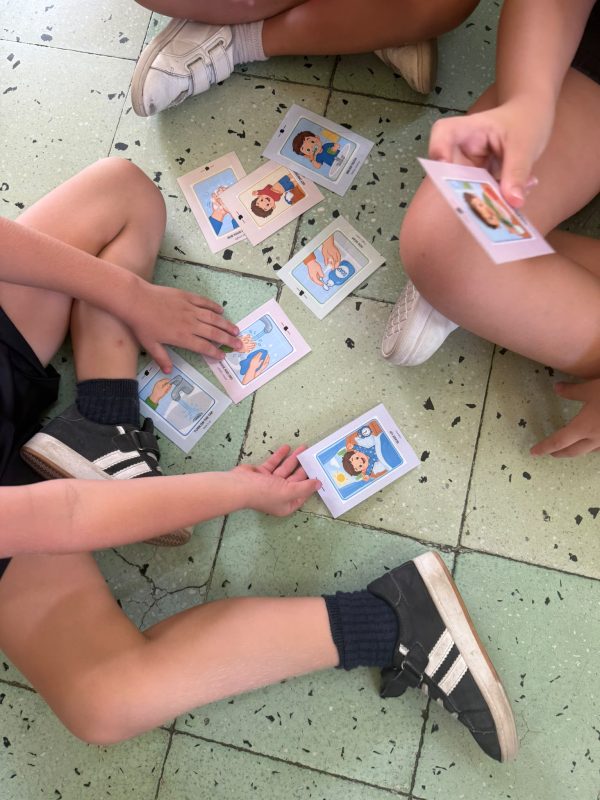
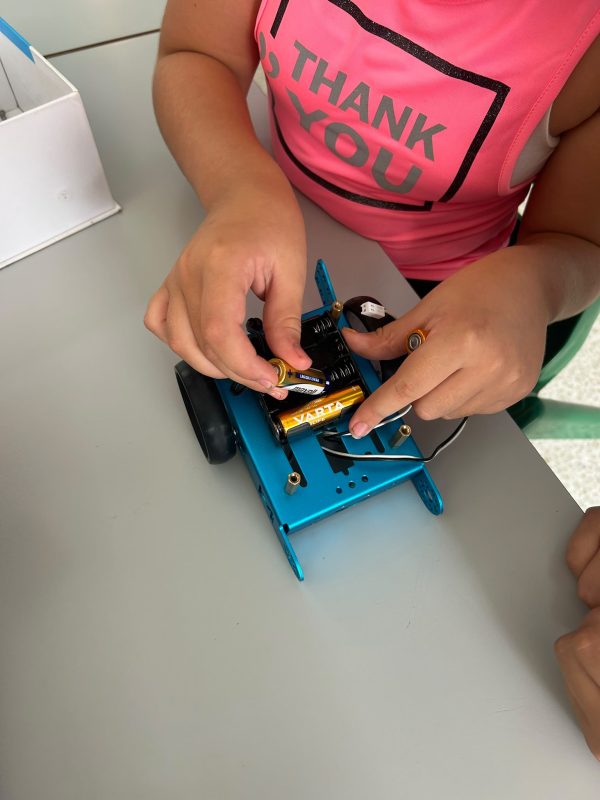
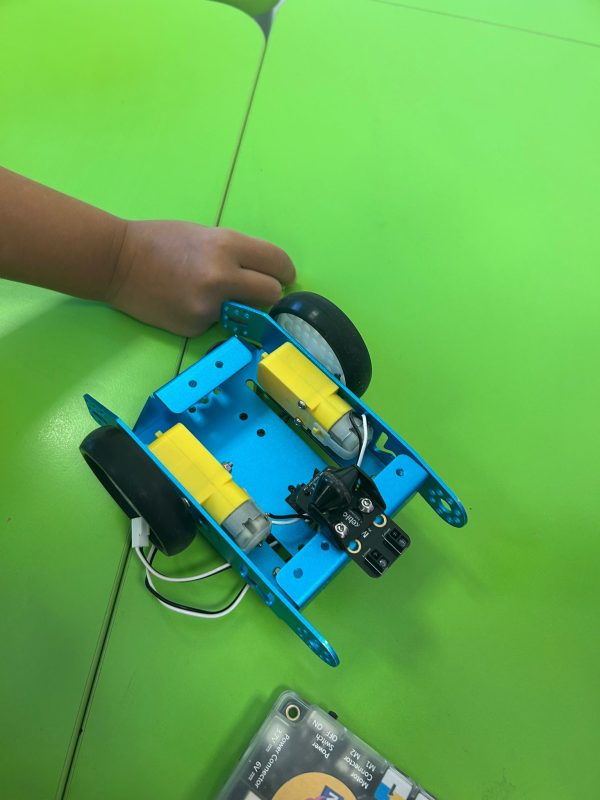
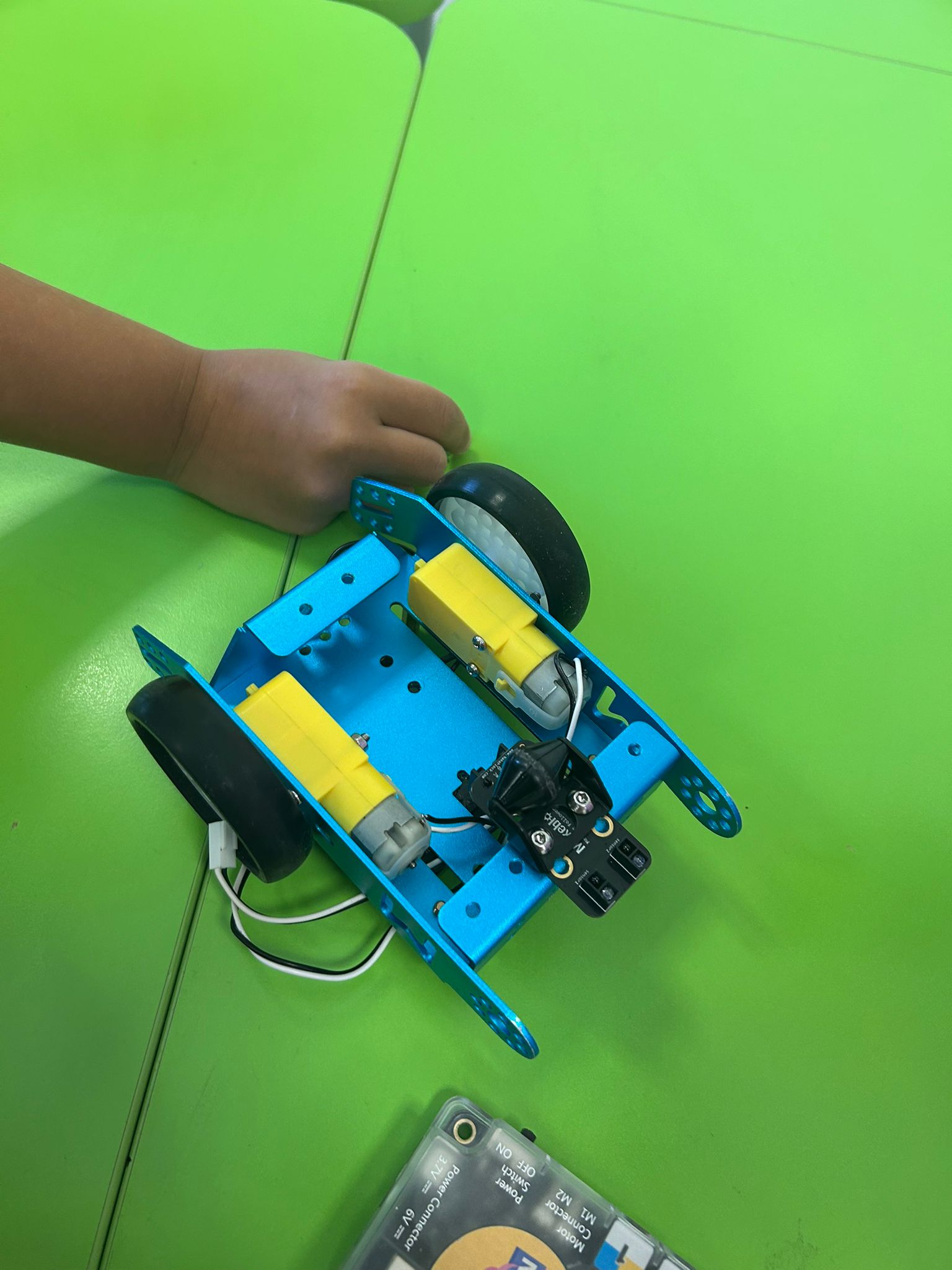
This year, MDIA delivered daily sessions across 30 Skolasajf centres, offering children two one-hour sessions focused on robotics, unplugged coding, or introductory AI concepts. These sessions provided practical, age-appropriate exposure to digital skills, helping children understand technology through play, experimentation, and problem-solving exactly the kind of early engagement that builds lasting confidence with digital tools.
Skolasajf offers an ideal setting for this kind of learning. Its non-formal structure means children engage with technology in a relaxed, enjoyable way rather than a classroom context, making concepts more accessible and the experience more memorable. MDIA’s contribution strengthens this by introducing activities that spark curiosity and encourage logical thinking key foundations for computational thinking and, at a later stage, for coding.
Through its collaboration with the Foundation for Educational Services (FES), MDIA ensures that all digital skills activities are delivered responsibly, safely, and in an environment families already trust.
Connecting to EU Code Week
EU Code Week, held every October, aims to make coding and digital creation accessible to everyone, particularly young learners. Malta’s engagement with the initiative reflects a national commitment that extends well beyond the school year. MDIA’s participation in Skolasajf complements this mission in several important ways.
Early exposure gives children their first encounter with digital concepts in a playful, low-pressure setting, preparing them for more structured coding activities when Code Week arrives in October. Broad reach ensures that with centres spread across Malta and Gozo, these digital skills initiatives reach children from diverse backgrounds, fully consistent with EU Code Week’s emphasis on inclusivity and equal access. Thematic alignment through annual themes such as Reach for the Stars encourages exploration and creativity, values that resonate strongly with Code Week’s vision of empowering young people to create with technology rather than simply consume it.
Building Momentum Towards EU Code Week Malta
Children who spend time with a programmable robot or take part in an unplugged coding challenge during July return to the new scholastic year with something valuable: practical experience. Digital skills no longer feel abstract or unfamiliar; they become tangible, engaging, and easier to understand.
This continuity of participation contributes to Malta’s national efforts to strengthen engagement with EU Code Week, while reinforcing MDIA’s role in promoting responsible digital innovation across the education sector.
MDIA’s work through Skolasajf forms part of a wider portfolio of digital education initiatives, including Tech Whiz Kids, Gozo Tech Whiz, and summer bootcamps and summer schools delivered in collaboration with the University of Malta and MCAST. While each initiative has its own focus, they share a common objective: helping young people become confident, capable, and curious users and creators of technology.
As Malta continues to strengthen its participation in EU Code Week, MDIA’s work across summer programmes remains an important part of this wider effort. It demonstrates how national institutions and educational partners can work together to build a digitally empowered society starting with its youngest learners.
This article is based on information gathered from various online sources and intended only for informational purposes. It does not constitute professional advice or recommendations. While the information provided is accurate and true to the best of our knowledge, we make no representations or warranties of any kind, express or implied, regarding the completeness, accuracy, reliability, suitability, or availability of the topics covered. We strongly advise readers to conduct further research and consult appropriate professionals or experts before making any decisions based on the information presented in this article.
We disclaim any liability for losses or damages incurred based on the information provided herein.
This document was prepared with the assistance of generative AI tools for editorial support and image generation. Any AI-generated suggestions were reviewed, edited, and validated by the authors, who remain fully responsible for the final content.