
-
Image

-
Publish in core platform
Yes
-
Link Type
Organization url
-
Digital technology / specialisation
Digital skillsDigital skill level
Basic Intermediate AdvancedGeographic Scope - Country
Non-EU MaltaType of initiative
Local initiative

Malta Digital Skills and Jobs Platform (LISP)


In 2025, DiHubMT quietly but decisively strengthened its role as one of Malta’s most important enablers of digital innovation and an integral part of a wider ecosystem in the island. At a time when countries across Europe are racing to build resilient, future-ready economies, DiHubMT focused on something fundamental yet often overlooked: creating the infrastructure, skills, and collaborative environments that allow innovation to happen at scale. Rather than chasing headlines, DihubMT spent the year consolidating its foundations, expanding its user base, operating advanced digital infrastructure, and building a vibrant ecosystem that connects enthusiastic startups, SMEs, public institutions, and European partners. The result is a digital innovation hub that is no longer experimental but operational, trusted, and increasingly in demand. A hub fit for an island that is forward looking and innovative.
By the end of 2025, DiHubMT had grown into a thriving innovation community. Fifty-seven organisations and innovators were fully onboarded and actively using the hub’s facilities after passing a structured due diligence process that ensured quality, seriousness, and alignment with DiHubMT’s mission. Beyond these core users, DiHubMT cultivated a wider community of over 250 members, engaging with the hub through training programmes, events, consultations, and collaborative initiatives. This layered approach, combining profound engagement with broad outreach, has proven essential in building both credibility and scale. The growing demand reflects a wider shift in Malta’s innovation landscape, where digital transformation is no longer considered optional or experimental but as a strategic necessity for competitiveness, resilience, and growth.
One of the most significant milestones of the year was the launch of DiHubMT’s High-Performance Computing facility, which became fully operational in October 2025. The facility represents a major leap forward for Malta’s digital capabilities, enabling data-intensive experimentation, advanced analytics, artificial intelligence, and research-driven innovation. Interest in the platform was immediate. By year-end, over ten organisations had formally applied to use the HPC infrastructure, with onboarding already underway and engagement progressing through structured technical and strategic discussions. By making advanced computational power accessible through a national innovation hub, DiHubMT effectively lowered barriers for startups and SMEs that would otherwise struggle to access such resources, democratising high-end digital capability.
Throughout 2025, DiHubMT placed a strong emphasis on skills development, recognising that technology alone does not drive transformation. During the year, the hub delivered nine advanced digital skills courses, each offered across multiple rounds to meet demand. These programmes attracted a total of over 460 participants, far exceeding initial expectations and highlighting the appetite for hands-on, industry-relevant training. The courses focused on short-term advanced digital competencies designed to be immediately applicable in real working environments. Participants ranged from entrepreneurs and professionals to employees of SMEs and public entities, reinforcing DiHubMT’s role as a cross-sector catalyst for digital skills. Alongside formal training, DiHubMT provided mentorship and consultancy support, helping organisations translate digital ambition into practical implementation and informed decision-making.
Entrepreneurship remained a central pillar of DiHubMT’s work during the year. Through structured programmes and targeted support, the hub worked closely with emerging teams to validate ideas, strengthen business models, and accelerate digital readiness. An apprenticeship program complemented these efforts by providing participants with hands-on exposure to real innovation environments. Rather than focusing solely on theory, the program embedded talent directly in ongoing projects, reinforcing the importance of learning by doing and strengthening the pipeline of digitally skilled professionals.
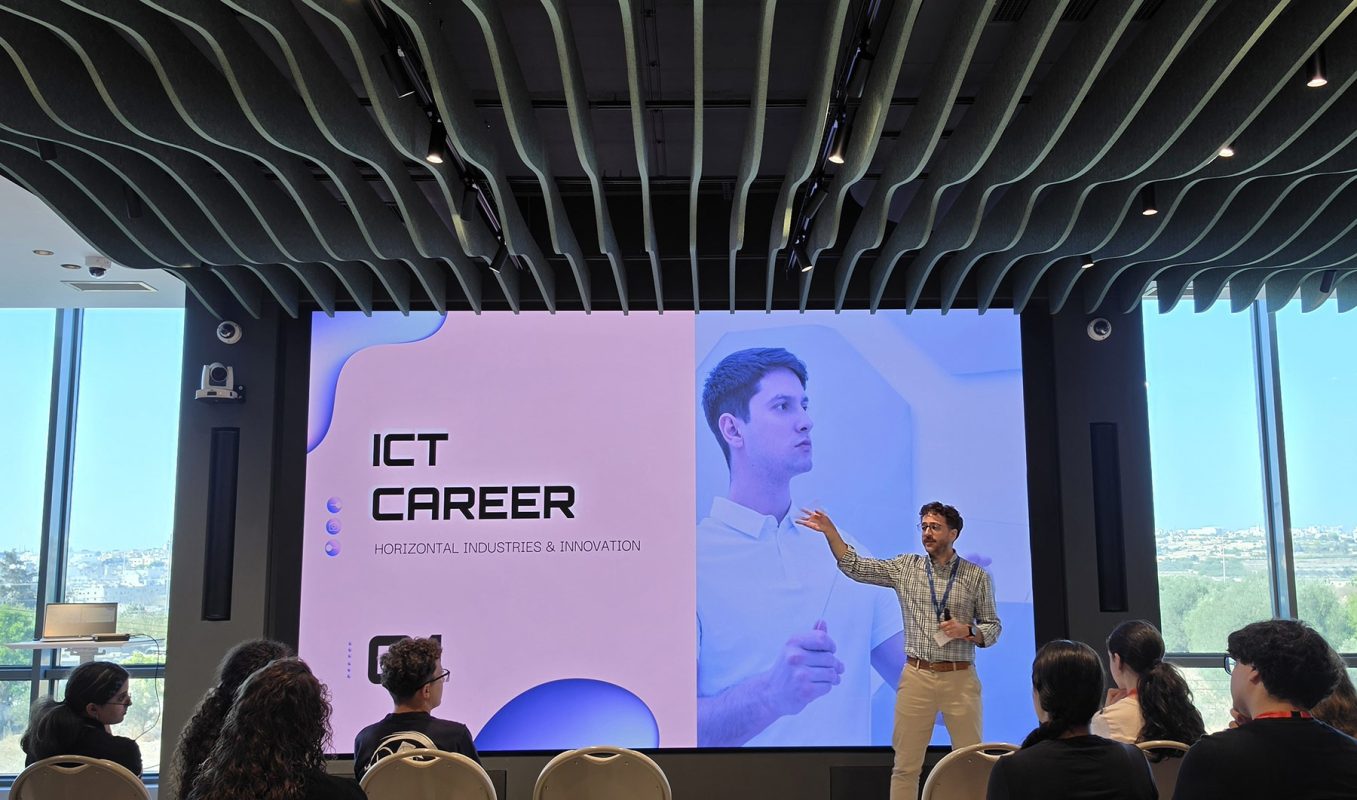
DiHubMT’s influence in 2025 extended well beyond its formal programmes. By the beginning of December, the hub had organised over sixty events, ranging from expert talks and workshops to thematic discussions on emerging technologies and digital trends. In parallel, eighty-six additional events were hosted at the facility by other departments and organisations, underscoring DiHubMT’s role as a shared national space for innovation activity. These figures do not fully capture DiHubMT’s presence across the wider ecosystem. Throughout the year, the organisation played an active role in major national and international initiatives, including technology expos, the Malta Startup Festival, skills forums, and European innovation programmes, often contributing through panels, moderation, judging, and programme delivery.
Strategic collaboration was a defining feature of DiHubMT’s continued growth. Throughout 2025, the hub strengthened partnerships with public institutions, industry bodies, innovation networks, and European counterparts, allowing it to extend its reach and align its services with broader digital priorities. Recognition through multiple institutional badges further reinforced DiHubMT’s credibility and standing within the innovation ecosystem. Rather than operating in isolation, DiHubMT positioned itself as connective tissue within Malta’s digital landscape, linking policy, technology, talent, and entrepreneurship in a practical and results-orientated way.
By the close of 2025, DiHubMT had clearly moved beyond its early establishment phase into a period of operational maturity. Advanced infrastructure was live, demand for services was growing, skills programmes were consistently oversubscribed, and the hub had become a natural meeting point for Malta’s digital ambitions. For a small country navigating a fast-moving global technology landscape, institutions like DiHubMT play an outsized role. The progress made during the year demonstrates what can be achieved when investment in infrastructure is matched with sustained investment in people, partnerships, and execution. As Malta looks toward the next phase of its digital journey, DiHubMT stands not as a promise, but as a functioning platform, quietly building the backbone of a more innovative, competitive, and resilient economy.
In 2026, DiHubMT is expected to build on this momentum by shifting from consolidation to scale. With its high-performance computing infrastructure fully embedded, the focus will move toward deeper adoption, more advanced use cases, and stronger integration with industry and research. Skills programmes will expand both in volume and sophistication, placing greater emphasis on specialised training, mentorship, and train-the-trainer initiatives that multiply impact across sectors. Entrepreneurship support is expected to mature, with more structured pathways for startups and innovators to progress from idea validation to market readiness. At the same time, DiHubMT will continue to strengthen strategic partnerships locally and across Europe, positioning itself not just as a national hub but as a regional connector within the broader European digital innovation landscape.