-
Image
-
Publish in core platform
No
-
Link Type
Organization url
-
Digital technology / specialisation
Digital skillsDigital skill level
Basic Intermediate AdvancedGeographic Scope - Country
Non-EU MaltaType of initiative
Local initiative

Malta Digital Skills and Jobs Platform (LISP)

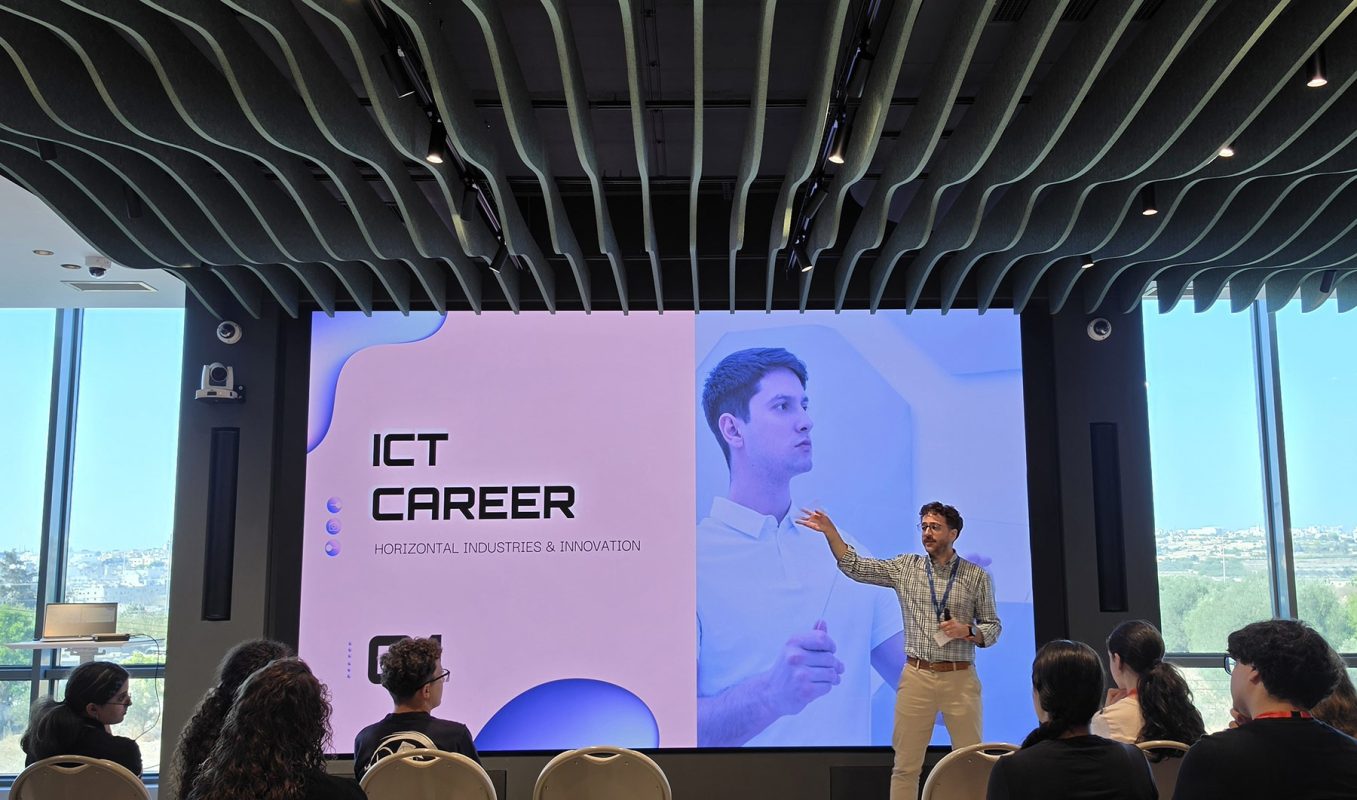
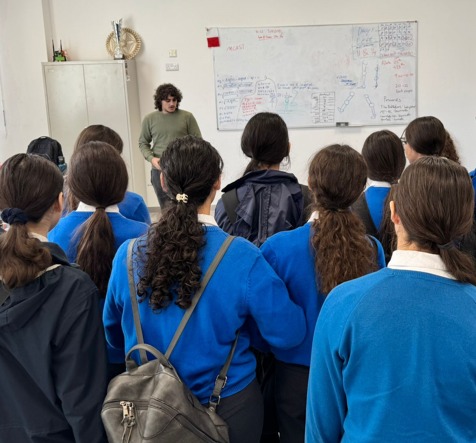
The recent initiative “Let’s Talk Digital Skills”, held at the MCAST Resource Centre (MRC) Auditorium from the 24th to the 27th of November, has successfully come to a close leaving a strong positive impact on all the students that visited. Three different schools took part in this initiative namely : Savio College, St. Michael School and St Dorothy’s. The Malta Digital Innovation Authority organised these three visits in collaboration with MCAST for students to step inside the MCAST Institute of ICT, immersing themselves in the labs, and projects. The visits were not just tours; they were experiences designed to spark curiosity and connect young learners to opportunities available to them.
The series of talks drew significant interest from the students. Each session focused on a key topic within the digital landscape, and the high level of participation throughout the week highlighted just how important and relevant these themes are to our community. In today’s fast‑moving digital world, classrooms alone cannot fully prepare students for the opportunities that lie ahead. That is why taking students into vocational colleges, where theory meets practice, is so vital.
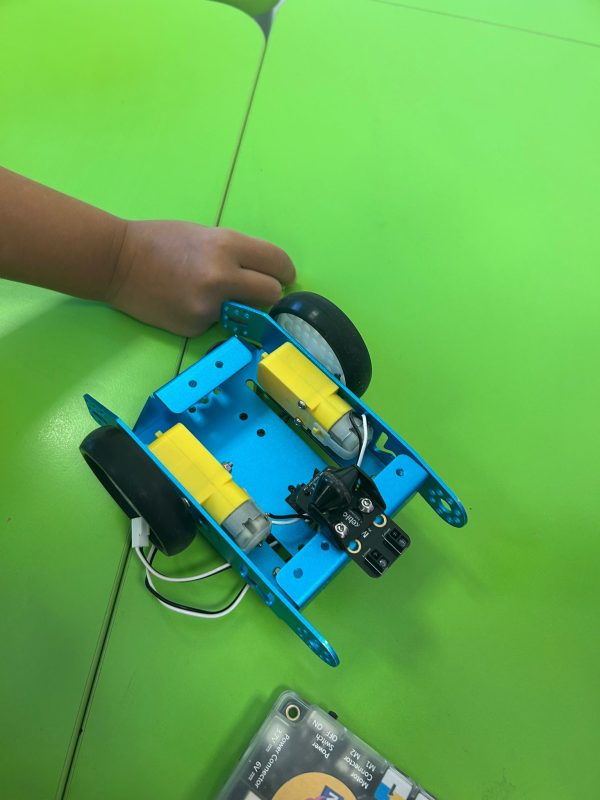
Labs are the beating heart of vocational colleges. They transform abstract concepts into tangible experiences. For students focused on ICT skills, seeing a networking lab in action or handling hardware components bridges the gap between textbook knowledge and real‑world application. A robotics lab, for instance, does not just showcase machines; it demonstrates how coding, engineering, and creativity converge to solve problems. By walking through these spaces, students begin to see themselves not just as learners, but as future innovators. Exposure to labs also nurtures adaptability. In ICT, technologies evolve rapidly, and students must learn to navigate new tools with confidence. Guided tours of computer labs and Mac labs highlight the diversity of platforms and environments available.
The visits carried special significance as part of the EU Code Week hub activities for Malta. CodeWeek is about more than programming; it is about democratising digital skills and ensuring that every student, regardless of background, has the chance to participate in Europe’s digital transformation. By linking local initiatives to this continental movement, the visits underscored the importance of collaboration and shared learning.
One of the most inspiring moments came during the student project demonstrations. Seeing peers present ICT applications and innovations gave visiting students a glimpse of what is possible when knowledge is applied with imagination. Peer‑to‑peer learning is powerful as it motivates students to push boundaries and envision their own projects with greater ambition.
This initiative followed a carefully structured agenda. At 9am, students were welcomed with an introduction to the Institute’s course offerings, setting the stage for what lay ahead. Demonstrations of student projects followed, showcasing the vibrancy of ICT innovation. The guided lab tours spanning networking, hardware, robotics, and more, allowed students to experience the facilities firsthand.
These visits highlight the importance of connecting education with experience. For students, stepping into vocational labs is a reminder that digital skills are not abstract, rather they are practical, creative, and essential for shaping the future. As part of the EU Code Week hub, such initiatives amplify the message that Europe’s digital future depends on empowering young people today. By seeing, touching, and questioning, students begin to believe in their own potential to innovate. And that belief is the most important outcome of all.
Disclaimer: This article is based on information gathered from various online sources and intended only for informational purposes. It does not constitute professional advice or recommendations. While the information provided is accurate and true to the best of our knowledge, we make no representations or warranties of any kind, express or implied, regarding the completeness, accuracy, reliability, suitability, or availability of the topics covered. We strongly advise readers to conduct further research and consult appropriate professionals or experts before making any decisions based on the information presented in this article. We disclaim any liability for losses or damages incurred based on the information provided herein.