-
Image
-
Publish in core platform
Yes
-
Link Type
Organization url
-
Digital technology / specialisation
Artificial IntelligenceDigital skill level
Basic Intermediate AdvancedGeographic Scope - Country
MaltaType of initiative
Local initiative

Malta Digital Skills and Jobs Platform (LISP)

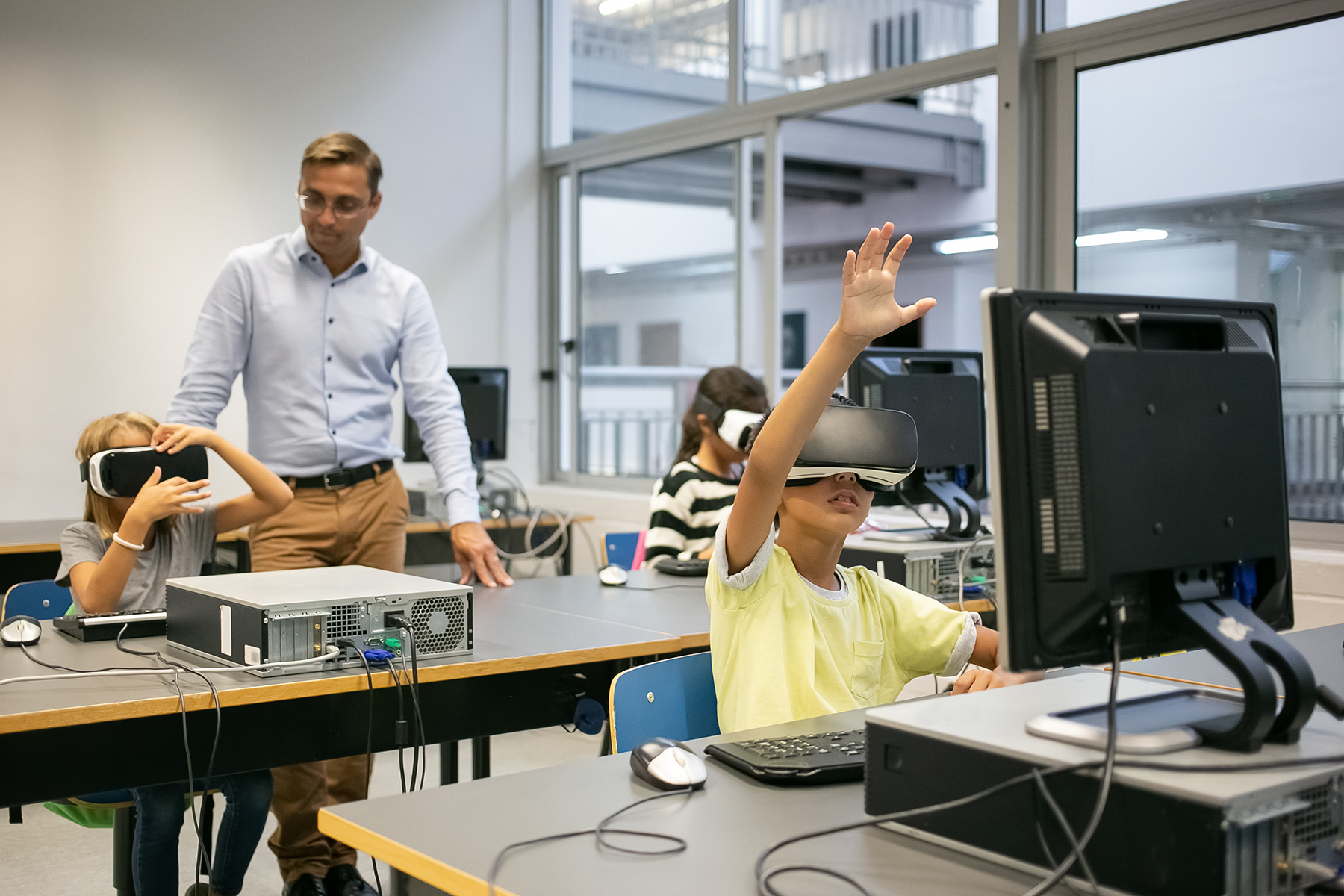
Artificial Intelligence (AI) has the potential to significantly transform school administrative tasks, enhancing efficiency, accuracy, and effectiveness across various processes. This article discusses several ways that we can use AI to integrate into school administration:
1. Student Enrolment and Admissions: AI can streamline enrolment and admissions by automating data entry and analysis. Intelligent chatbots can handle inquiries from prospective students and parents, providing instant responses to frequently asked questions. AI-driven systems can evaluate applications, check for completeness, and flag inconsistencies, thus reducing the administrative staff workload.
2. Attendance Tracking: Traditional attendance tracking methods can be time-consuming and prone to errors. AI-powered facial recognition systems can automate attendance taking, ensuring accuracy and saving time. These systems can then be integrated with school databases to update attendance records in real time, providing immediate insights into student attendance patterns and identifying potential issues early.
3. Timetabling: Creating class schedules and timetables is a complex task involving balancing variables such as teacher availability, classroom resources, and student course selections. AI algorithms can optimise this process by analysing historical data and predicting the most efficient schedules. This reduces conflicts and maximises resource utilisation, making the process smoother and more efficient.
4. Communication and Notifications: AI can enhance communication between the school administration, teachers, students, and parents. Automated systems can send reminders and notifications about important events, deadlines, and announcements. Natural Language Processing (NLP) tools can also generate personalised messages and reports, ensuring that communication is clear and tailored to the recipient’s needs.
5. Data Management and Analysis: Schools generate vast student performance, attendance, and behaviour data. AI can assist in managing this data, providing powerful tools for analysis and reporting. Machine learning algorithms can identify trends and patterns, helping educators make informed decisions. For instance, predictive analytics can forecast student performance, allowing for early interventions to support students at risk of falling behind.
6. Finance and Resource Management: Managing school finances and resources is another area where AI can provide significant benefits. AI systems can automate payroll processing, budgeting, and financial reporting, reducing the administrative burden and minimising errors. Additionally, AI can optimise resource allocation, ensuring that funds, materials, and human resources are utilised effectively.
7. Safety and Security: AI technologies can enhance school safety and security. Surveillance systems with AI capabilities can monitor school premises for unusual activity and send alerts in real time. AI can also assist in managing access control systems, ensuring that only authorised individuals can enter the premises. These measures contribute to creating a safer environment for students and staff.
8. Personalised Learning and Support: AI can support personalised learning by providing insights into individual student needs and preferences. This enables educators to tailor their teaching strategies and provide targeted support. AI-driven platforms can offer personalised learning resources, adaptive assessments, and feedback, helping students achieve their full potential.
9. Teacher Support and Professional Development: AI can assist in teacher recruitment, training, and professional development. AI systems can analyse teacher performance data, identify areas for improvement, and suggest relevant training programmes. Additionally, AI can facilitate peer learning and collaboration by connecting teachers with similar interests and challenges.
This article has outlined AI’s potential to revolutionise school administrative tasks by automating routine processes, enhancing data analysis, and improving communication and resource management. Leveraging AI allows schools to operate more efficiently, enabling educators to focus more on teaching and less on administrative burdens. This shift creates a more effective and supportive educational environment for students and staff.
Disclaimer: This article is based on information gathered from various online sources and intended only for informational purposes. It does not constitute professional advice or recommendations. While the information provided is accurate and true to the best of our knowledge, we make no representations or warranties of any kind, express or implied, regarding the completeness, accuracy, reliability, suitability, or availability of the topics covered. We strongly advise readers to conduct further research and consult appropriate professionals or experts before making any decisions based on the information presented in this article. We disclaim any liability for losses or damages incurred based on the information provided herein.