-
Image
-
Publish in core platform
Yes
-
Link Type
Organization url
-
Digital technology / specialisation
Artificial Intelligence Digital skillsDigital skill level
Basic Intermediate AdvancedGeographic Scope - Country
MaltaType of initiative
Local initiative

Malta Digital Skills and Jobs Platform (LISP)

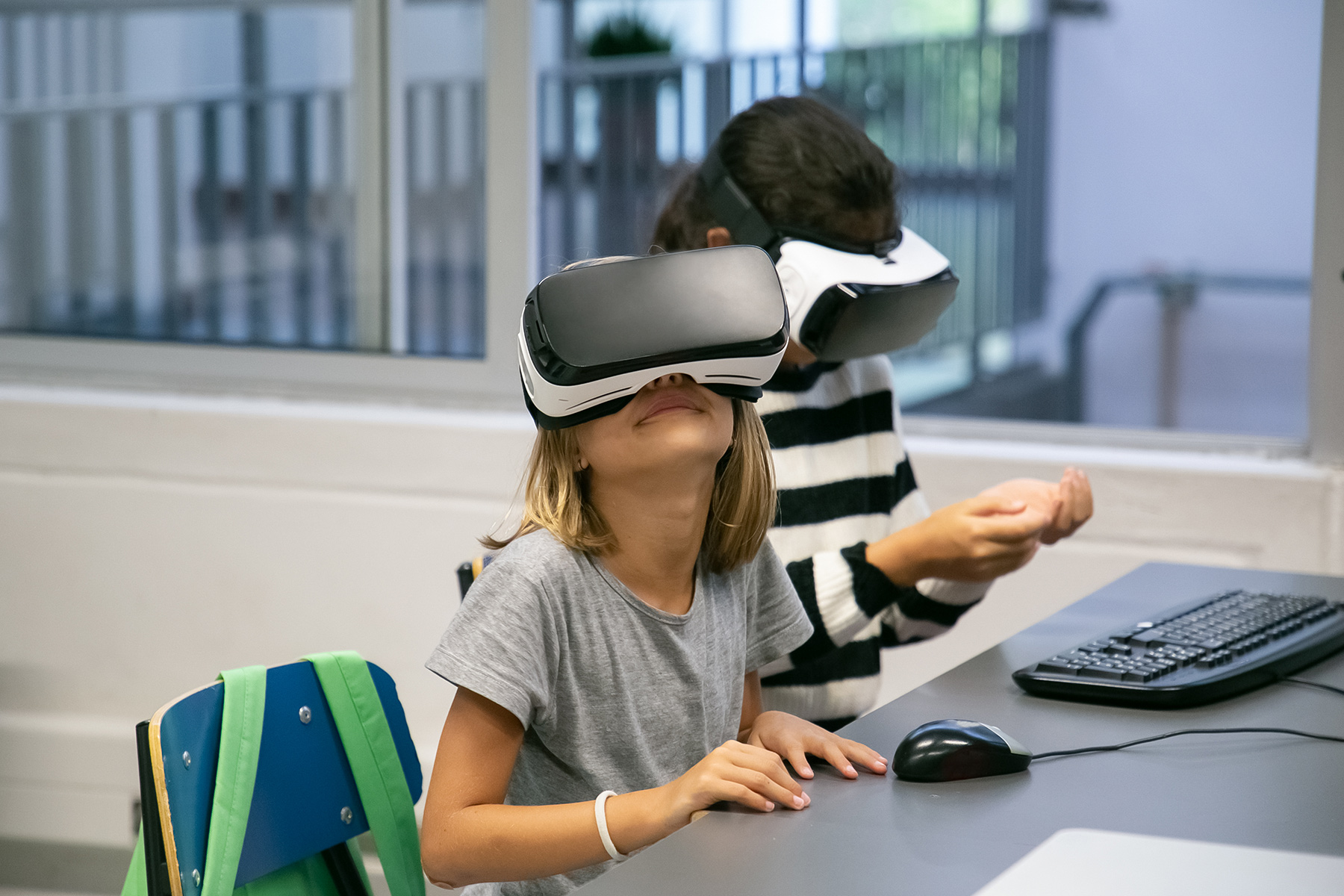
AI can play a major role in improving education in schools by making learning more personalised, engaging, and efficient for both students and teachers. When used correctly, artificial intelligence becomes a supportive tool that helps schools meet the needs of different learners while reducing pressure on educators.
One of the biggest benefits of AI in education is personalised learning. In a normal classroom, students learn at different speeds—some understand quickly while others need extra support. AI-powered learning platforms can adapt to each student’s ability by adjusting the difficulty of tasks, recommending lessons, and providing extra practice in areas where the student is struggling. This helps learners stay on track without feeling left behind or held back.
AI can also improve student support and tutoring. Many students may not feel comfortable asking questions in class or may need extra help after school. AI tutors and chatbots can assist students by explaining concepts, answering questions, and guiding them through problems at any time of day. This provides learners with continuous support, especially in subjects like maths, science, and language learning.
Another major advantage is the way AI helps teachers with workload and organisation. Teachers spend a lot of time marking assignments, preparing lesson plans, and tracking student progress. AI can assist by automatically grading quizzes, generating practice exercises, and providing detailed reports on student performance. This saves time and allows teachers to focus more on teaching, mentoring, and supporting students personally.
AI can also make classrooms more inclusive by supporting students with special educational needs. For example, speech-to-text and text-to-speech tools can help learners with disabilities or learning difficulties. Translation tools can assist students who are learning English as a second language, making lessons more accessible and reducing barriers in multicultural classrooms.
In addition, AI encourages interactive and creative learning. Students can use AI to explore simulations, virtual labs, and educational games that make subjects more exciting and easier to understand. For example, instead of only reading about science experiments, students can use AI-driven simulations to see how chemicals react or how planets move in space. This can improve understanding and make learning more enjoyable.
AI also plays a role in improving school management and safety. Schools can use AI systems to organise timetables, manage attendance, and identify patterns such as frequent absences that may indicate a student needs support. This can help schools respond faster to student needs and improve overall efficiency.
However, it is important to note that AI should not replace teachers. Teachers provide emotional support, discipline, encouragement, and real human connection—things AI cannot truly replicate. Schools must also ensure AI is used responsibly, with attention to privacy, fairness, and preventing over-dependence on technology.
In conclusion, AI can greatly benefit education by supporting personalised learning, assisting teachers, improving accessibility, and enhancing classroom engagement. When used wisely, it can strengthen the education system and help students reach their full potential.
This article was prepared by collating various publicly available online sources.