-
Image
-
Publish in core platform
Yes
-
Link Type
Organization url
-
Digital technology / specialisation
Artificial Intelligence Internet of Things Virtual Reality BlockchainDigital skill level
Basic Intermediate AdvancedGeographic Scope - Country
MaltaType of initiative
Local initiative

Malta Digital Skills and Jobs Platform (LISP)

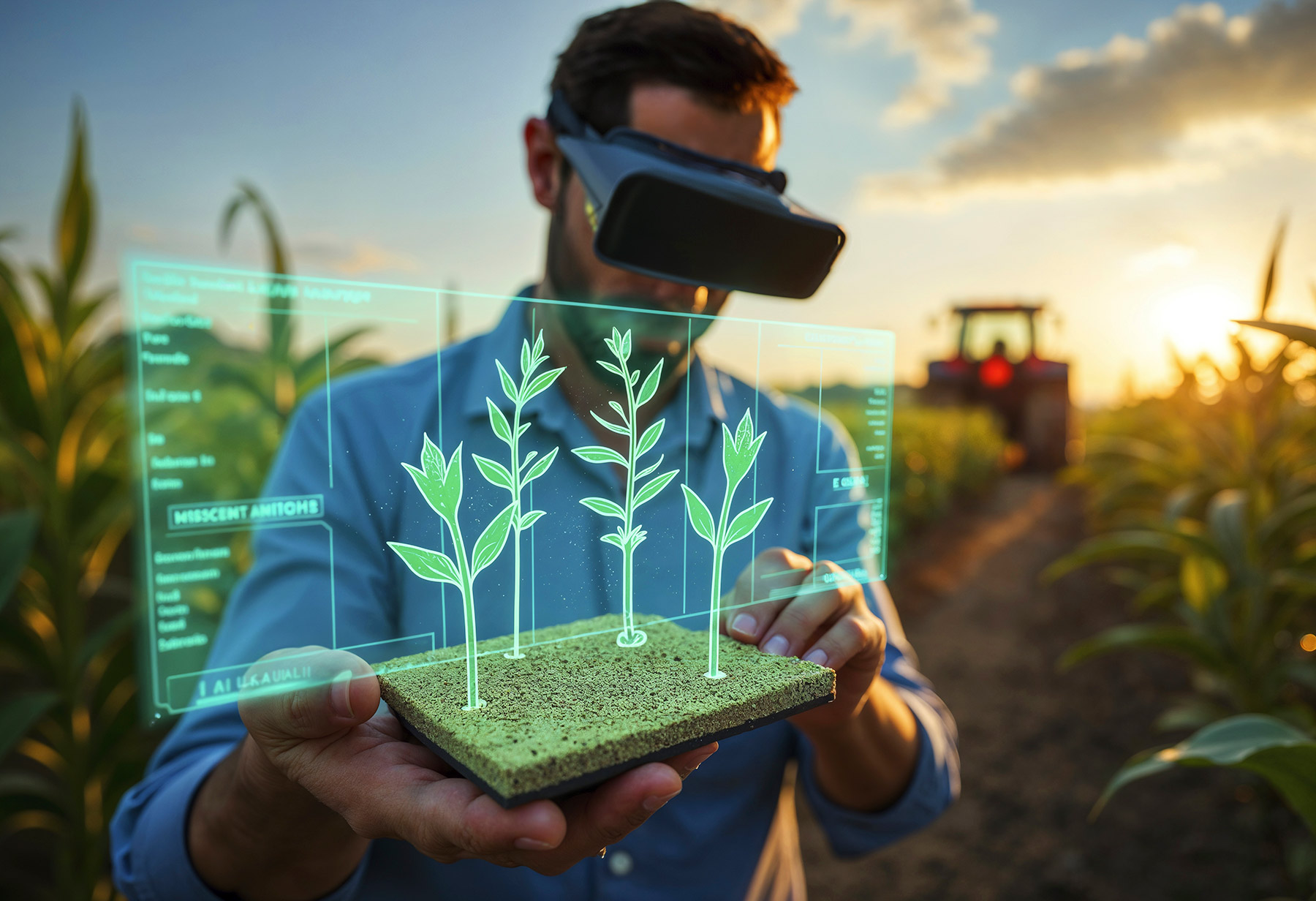
As Europe steps up its fight against climate change, Malta is embracing the dual challenge of the green and digital transitions. Understanding that these two shifts are closely linked, Malta is focusing on developing digital skills as a key driver of environmental innovation.
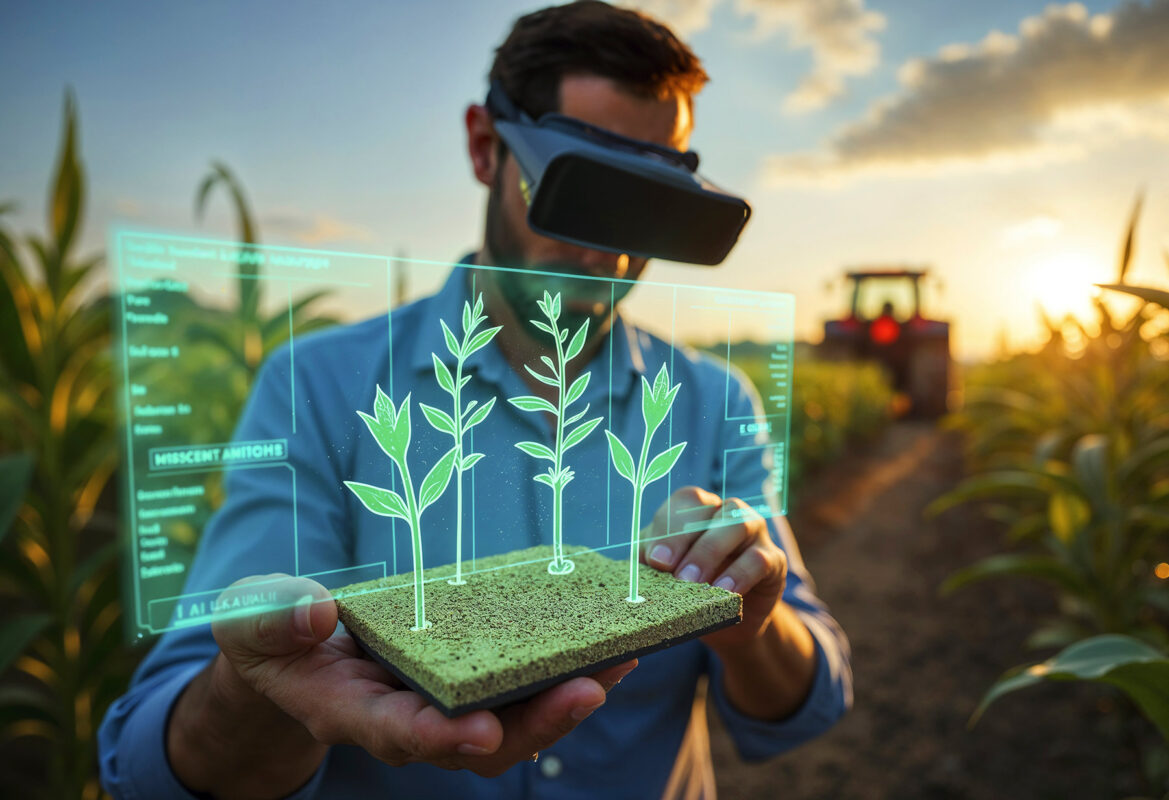
Digital technologies like artificial intelligence (AI), data analytics, the Internet of Things (IoT), and blockchain are already playing a vital role in advancing sustainability. In Malta, these tools help optimise energy use in smart buildings, improve waste management, and support precision agriculture. Such innovations are critical to moving towards a low-carbon, resilient economy.
Malta’s Strategic Approach
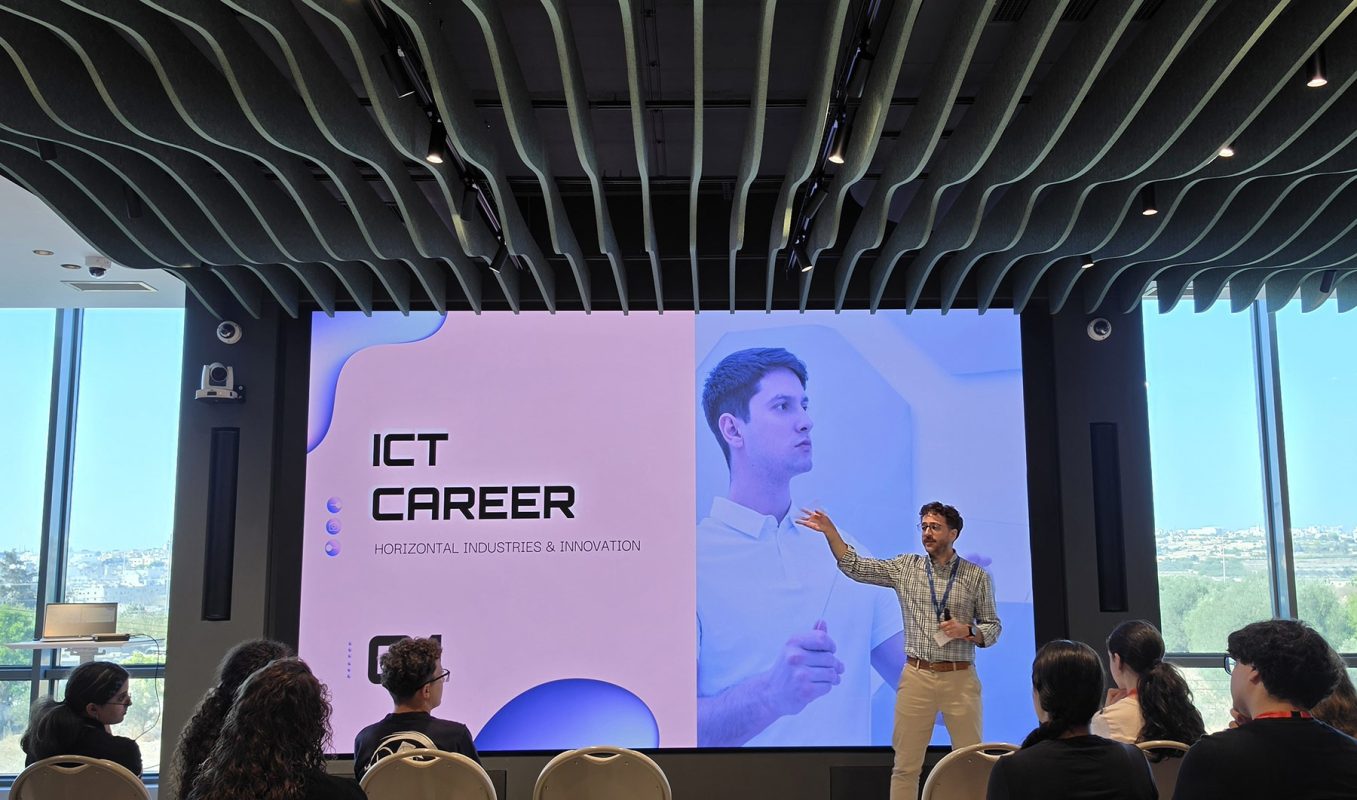
Malta’s National eSkills Strategy 2022–2025 outlines a clear plan to boost digital capabilities across multiple sectors. A major focus is on integrating digital skills to advance the green transition, especially in transport, energy, manufacturing, and construction. The strategy highlights the urgent need for a workforce skilled in digital technologies to meet Malta’s sustainability goals.
Building on this, the Digital Education Strategy 2024–2030, launched in May 2024, commits to embedding digital literacy throughout the education system. Starting from primary school, students are introduced to computational thinking, coding, and emerging technologies like AI. These efforts increasingly connect digital learning with climate education, nurturing a generation ready to develop digital solutions for environmental challenges.
Education Meets Environment
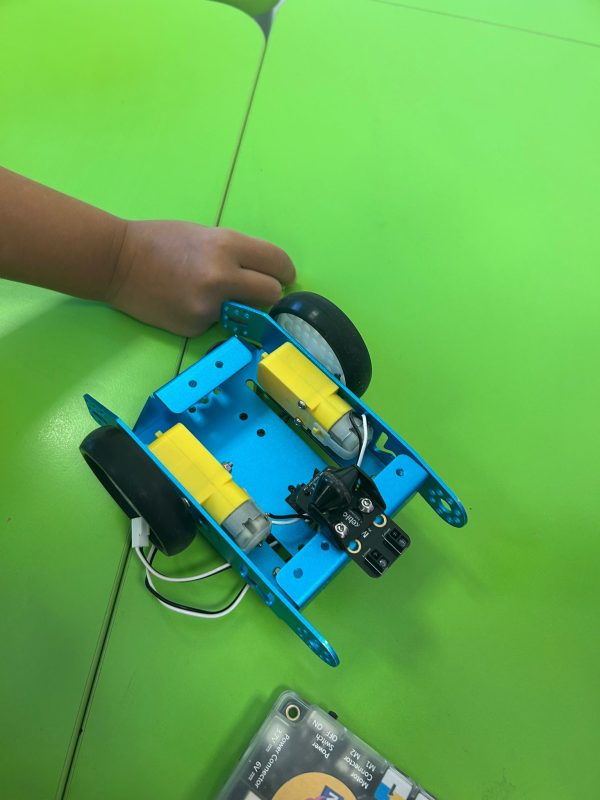
Schools in Malta are adopting project-based learning that blends coding with environmental awareness. These initiatives, supported by EU funding and local partnerships, position Malta as a frontrunner in digital climate education.
Inclusion at the Heart of Digital Transformation
Malta’s digital strategy also emphasises inclusion, aiming to close the digital divide by providing access to training and digital tools for all citizens — including women, older adults, and vulnerable groups. The National Skills Council actively promotes integrating digital and green skills across formal and informal learning, ensuring the green transition benefits everyone fairly.
Looking Ahead
By aligning digital skill development with environmental objectives, Malta is preparing its economy for future job markets while laying the foundation for a sustainable, inclusive, and climate-resilient society. Continued investment in digital upskilling, especially in green technologies, will be key to Malta’s goal of climate neutrality in the decades ahead.
Disclaimer: This article is based on information gathered from various online sources and intended only for informational purposes. It does not constitute professional advice or recommendations. While the information provided is accurate and true to the best of our knowledge, we make no representations or warranties of any kind, express or implied, regarding the completeness, accuracy, reliability, suitability, or availability of the topics covered. We strongly advise readers to conduct further research and consult appropriate professionals or experts before making any decisions based on the information presented in this article. We disclaim any liability for losses or damages incurred based on the information provided herein.