-
Image
-
Publish in core platform
No
-
Link Type
Organization url
-
Target audience
Digital technology / specialisation
Digital skillsDigital skill level
BasicGeographic Scope - Country
ItalyIndustry - Field of Education and Training
Target language
Type of initiative
National initiative
Event setting
Skip to content

Malta Digital Skills and Jobs Platform (LISP)

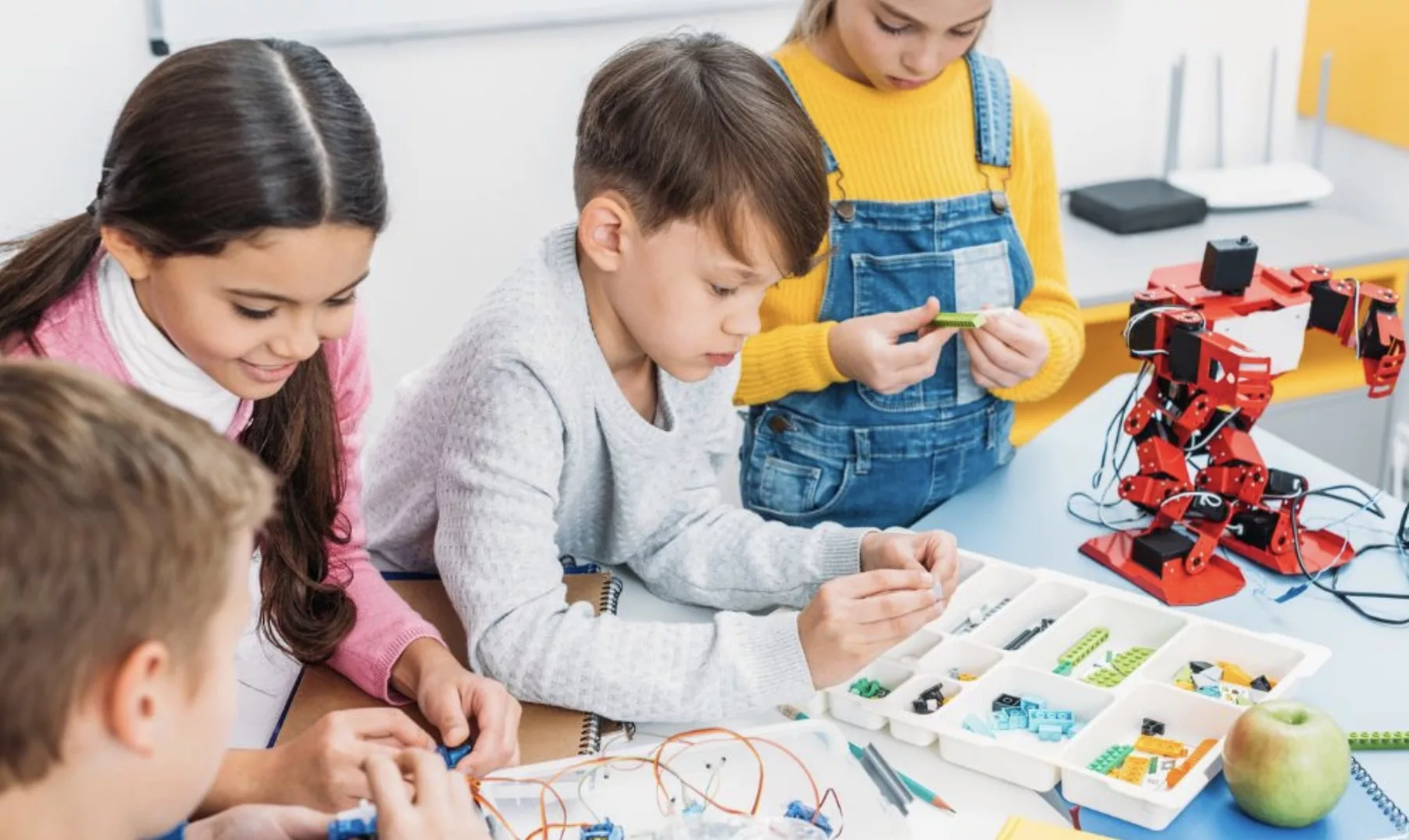
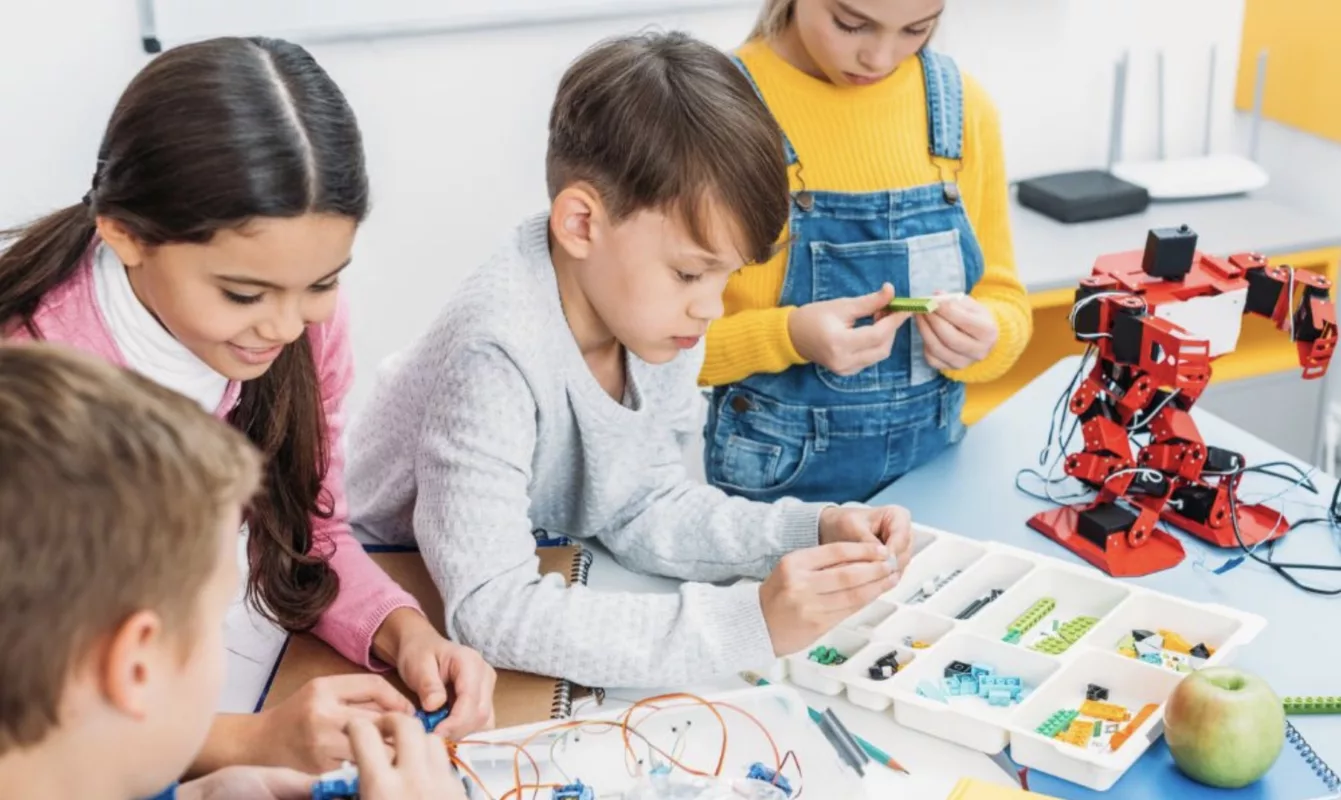
The Guidelines for STEM disciplines have been drafted with the aim of introducing in the three-year plan of the educational offer of children’s institutions, the first and second cycle of education and in the educational programming of educational services for children, actions dedicated to strengthening in curricula the development of mathematical, scientific-technological and digital skills related to the specific fields of experience and the learning of STEM disciplines, also through innovative teaching methodologies. This is because the current curricula of different levels of education do not present specific references to STEM subjects as a whole, as the different disciplines – Mathematics, Science, Technology and Engineering – are often entrusted to teachers belonging to different competition classes. With these solicitations, the Ministry of Education and Merit therefore intends to strengthen the dissemination of innovative teaching methods – based on problem solving, on solving real problems and on the interconnection of contents for the development of mathematical, scientific-technological skills – thanks to an inter-disciplinary and multi-disciplinary approach based on the contamination between theory and practice. Let’s see together what are the methods indicated for all school grades: Experiential learning, through practical and laboratory activities, is an effective way to foster the learning of STEM disciplines; in fact, it allows students to be placed at the center of the learning process, encouraging a collaborative approach to solving concrete problems. Problem solving and inductive method The development of problem solving skills is essential for STEM disciplines, as it allows students to acquire practical and cognitive skills through the elaboration of a concrete project. The inductive method, based on the observation of facts and the formulation of hypotheses and theories, is also a useful approach for the development of critical and creative thinking. The observation of phenomena, the proposal of hypotheses and the experimental verification of their reliability allow students to appreciate their operational skills and to verify in the field those of synthesis, encouraging them to become autonomous in learning and encouraging the development of transversal skills, such as time management and independent research. The search for innovative solutions to real problems activates divergent thinking, encouraging the development of creativity. Group work allows to enhance the ability to communicate and make decisions, to identify scenarios, to hypothesise unique or alternative solutions. Promoting peer learning, in which students teach each other, is an effective teaching strategy. Promoting critical thinking in the digital society The use of interactive digital resources, such as simulations, educational games or online learning platforms, can enrich the learning experience of students. The creation of critical thinking can be encouraged through activities that require the collection, interpretation and evaluation of data, as well as the ability to formulate arguments based on scientific evidence. In order to develop the curiosity and active participation of students, the school should use technologies and adopt active didactics, able to place students in real situations that allow them to learn, operate, grasp changes, correct their mistakes, support their arguments. There are also methodological-educational recommendations that are specific to the different moments of the training path. Indications for the “Zerosei” Integrated Education and Education System
- Provide a stimulating and encouraging environment, which allows children to carry out more complex exploration activities, also proceeding through trial and error.
- Enhance the innate interest in the surrounding world that develops starting from the desire and curiosity of children to know objects and situations.
- Organise manipulation activities, with which children explore the functioning of things, search for cause-effect links, and experience the reactions of objects to their actions.
- To promote the exploration experienced in a holistic way, with an intertwined involvement of the different sensory channels and with an open and multidimensional interest in the phenomena encountered in the interaction with the world.
- Create opportunities to discover, touch, disassemble, build, reconstruct and refine their own gestures, functions and possible uses of machines, mechanisms and technological tools.
Indications for the first cycle of education
- Teaching through experience.
- Use technology critically and creatively.
- Encourage inclusive teaching.
- Promote creativity and curiosity.
- Develop the autonomy of pupils.
- Use laboratory activities.
Indications for the second cycle of education
- Promote the implementation of practical and laboratory activities.
- Use active and collaborative methodologies.
- Encourage the construction of knowledge through the use of technological and IT tools.
- Promote activities that address issues and problems of an application nature.
- Use didactic methodologies for inductive learning.
- Implement PCTO activities within STEM.
Indications for adult education
- Adapt teaching to the needs and past experience of adult students.
- Use technology effectively.
- Develop transversal skills.
The Guidelines for STEM disciplines enrich the other initiatives launched to promote the development of digital skills of Italian students, such as the National Digital School Plan and the School 4.0 Plan. This is because the study of STEM subjects allows us not to “submit” the technology that surrounds us: from the Internet to electronic music, from sports to cinema with its special effects. Through the so-called “citizen mathematics” students can be trained able to interpret modern times by projecting towards the technological future. Guidelines for STEM disciplines Original article published on Invalsi open on 14.11.2023