-
Image
-
Publish in core platform
No
-
URL
https://commission.europa.eu/document/e6cd4328-673c-4e7a-8683-f63ffb2cf648_en
-
Link text
Political Guidelines for the next European Commission 2024−2029
-
Link Type
Same as url
-
Target audience
Digital technology / specialisation
Artificial IntelligenceDigital skill level
BasicGeographic Scope - Country
European UnionIndustry - Field of Education and Training
Target language
Type of initiative
EU institutional initiative
Event setting
Skip to content

Malta Digital Skills and Jobs Platform (LISP)

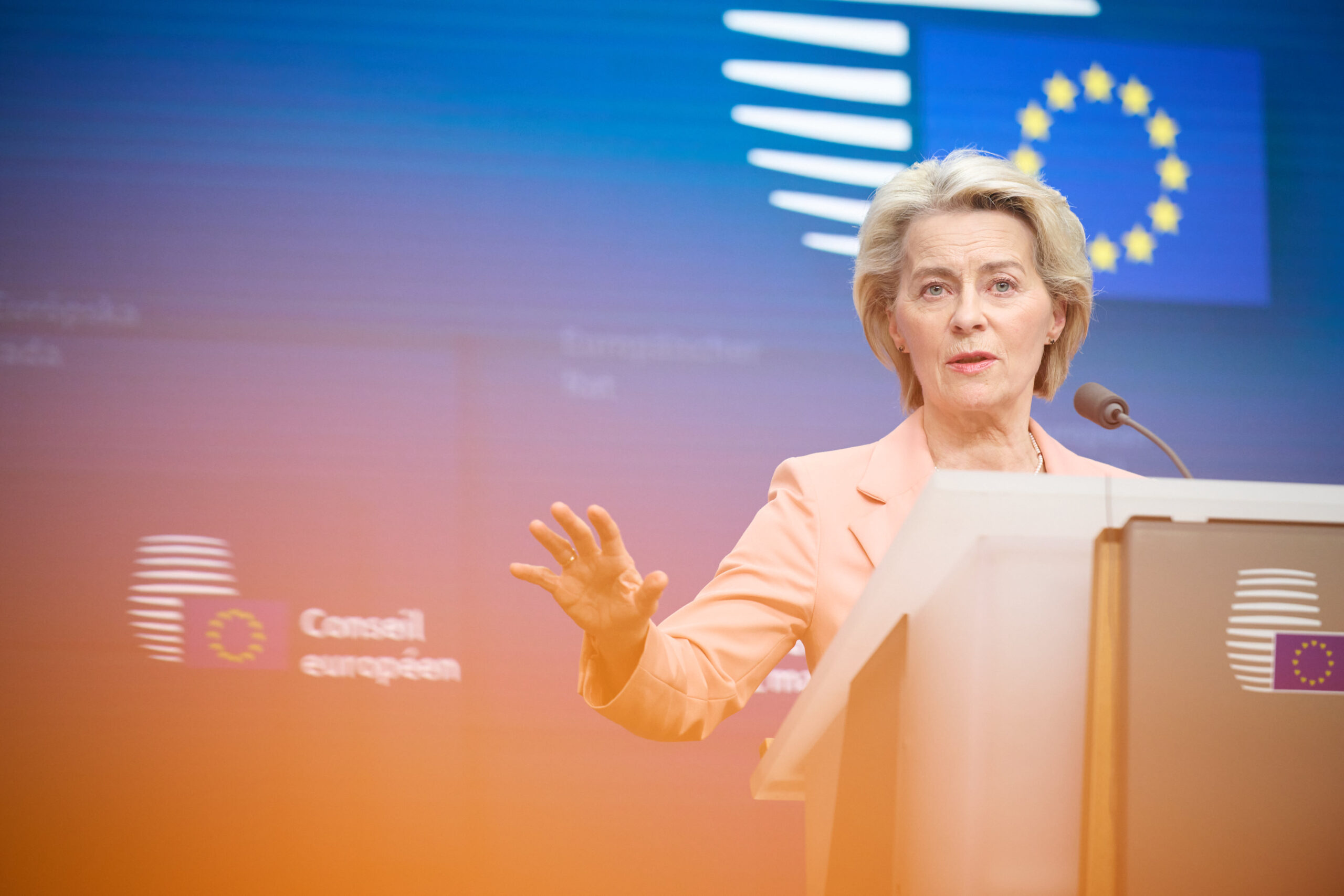
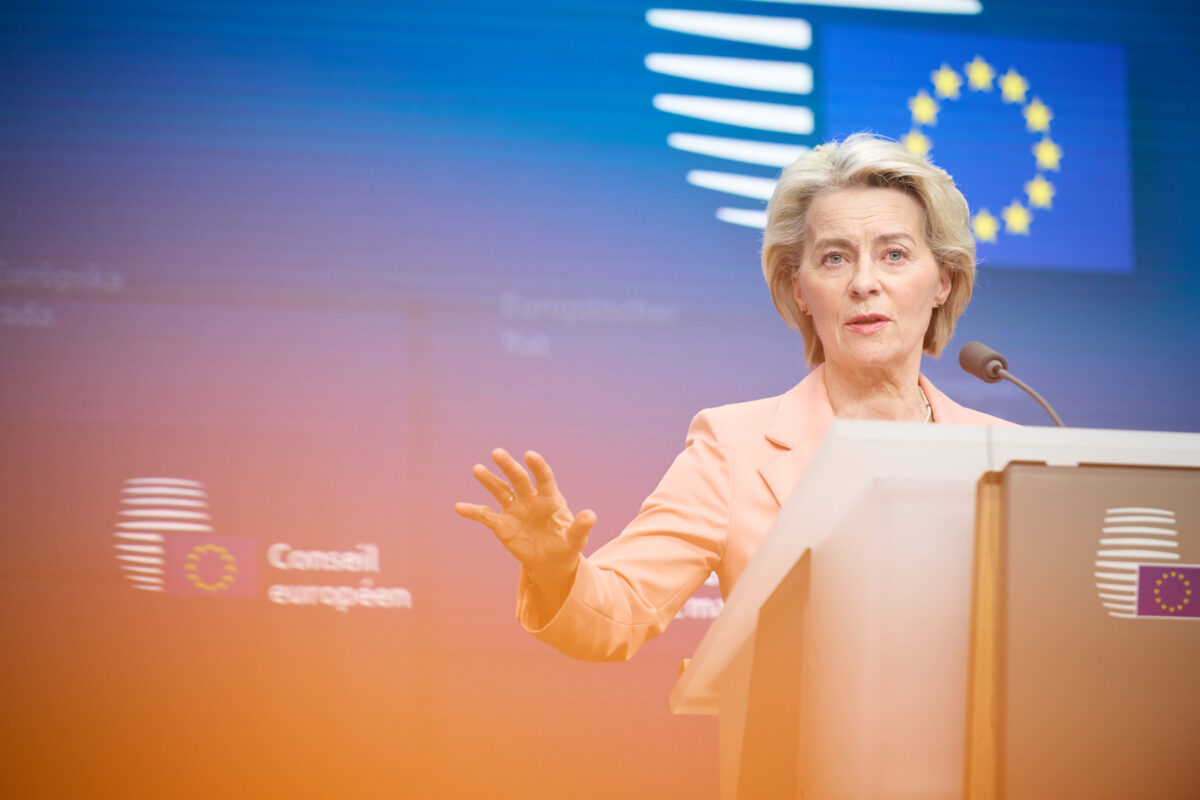
Ursula von der Leyen has unveiled European Commission’s latest Political Guidelines for the period 2024-2029, placing a strong emphasis on addressing the continent’s digital skills shortages. A key focus will be establishing a Union of Skills, aimed at tackling labour and skills gaps across the EU. This ambitious plan will drive investment in lifelong learning, skills retention, and the recognition of diverse types of training, helping citizens work seamlessly across borders.
STEM education overhaul and skills portability to drive EU’s digital transition
The guidelines highlight a pressing need to improve basic skills, particularly in STEM (science, technology, engineering, and mathematics) education. A new STEM Education Strategic Plan aims to reverse declining performance, increase the number of qualified STEM teachers, and encourage more women to pursue careers in these fields. Additionally, EU funding for skills development will be better aligned with labour market needs, especially in sectors crucial to the green and digital transitions, also building on the work in the Pact for Skills.
Recognising the need for cross-border skill mobility, the Commission is set to introduce a Skills Portability Initiative. This will ensure qualifications acquired in one EU country are recognized in others, facilitating the free movement of talent. Further efforts will focus on boosting digital literacy and combating misinformation through a European fact-checking network, with enhanced digital enforcement under the Digital Services Act.
Roxana Mînzatu’s: a new dedicated EVP appointed for skills
Roxana Mînzatu, the newly appointed Executive Vice President for Skills, is tasked with driving these changes. Her mission includes strengthening Europe’s talent pool through enhanced skills training and education, as outlined in her mission letter.
Moreover, she will be tasked with overseeing the Skills Academies, which are responsible for developing learning programs that Member States will use to facilitate the recognition of credentials as a basis for formal qualifications.
Mînzatu’s leadership will be pivotal in ensuring the EU is prepared for the future, with a strong focus on digital, green, and societal resilience skills.
© European Commission