-
Image
-
Publish in core platform
Yes
-
Link Type
Organization url
-
Digital technology / specialisation
Artificial IntelligenceDigital skill level
Basic Intermediate AdvancedGeographic Scope - Country
MaltaType of initiative
Local initiative

Malta Digital Skills and Jobs Platform (LISP)

Artificial Intelligence (AI) is no longer a distant concept confined to science fiction; it’s now a part of our everyday lives, subtly influencing how we live, work, and interact with the world. From personalised recommendations on streaming services to smart home devices that make life more convenient, AI is revolutionising our daily experiences. This article explores how AI enhances our everyday lives, making tasks more manageable, efficient, and enjoyable.
1. Personal Assistants: Making Life Easier
One of the most visible and widely used applications of AI in daily life is through personal assistants like Amazon’s Alexa, Apple’s Siri, and Google Assistant. These AI-powered tools can help with many tasks, from setting reminders, sending texts, and checking the weather to controlling smart home devices like thermostats and lights.
These assistants learn from user interactions, becoming more adept at understanding preferences and patterns. For example, suppose you regularly ask for weather updates before leaving for work. In that case, your AI assistant might start offering this information proactively. This ability to anticipate needs and streamline daily tasks adds a level of convenience unimaginable a few years ago.
2. Smart Homes: Enhancing Comfort and Security
AI is pivotal in creating smart homes with enhanced comfort, security, and energy efficiency. Smart thermostats like Nest use AI to learn your heating and cooling preferences, adjusting temperatures automatically to ensure optimal comfort while saving energy. AI-driven security systems, equipped with facial recognition and motion detection, can distinguish between family members, guests, and potential intruders, offering peace of mind with real-time alerts and remote monitoring.
Moreover, AI integrates various home devices, enabling seamless communication between them. For instance, your smart refrigerator can alert you when you are running low on groceries. At the same time, your AI assistant can add items to your shopping list or even order them online automatically.
3. Health and Fitness: Personalised Wellness
AI is increasingly being used to help people manage their health and fitness. Wearable devices like Fitbit and Apple Watch have AI algorithms that monitor physical activity, heart rate, sleep patterns, and more. Based on your data, these devices offer personalised insights and recommendations, helping you to stay on top of your health goals.
In addition to fitness tracking, AI can also assist in managing chronic conditions. For instance, AI-driven apps can help people with diabetes monitor blood sugar levels and provide recommendations for diet and exercise based on real-time data. Virtual health assistants can also remind you to take medications, schedule doctor appointments, and offer mental health support through guided meditation and stress-relief exercises.
4. Transportation: Smarter and Safer Travel
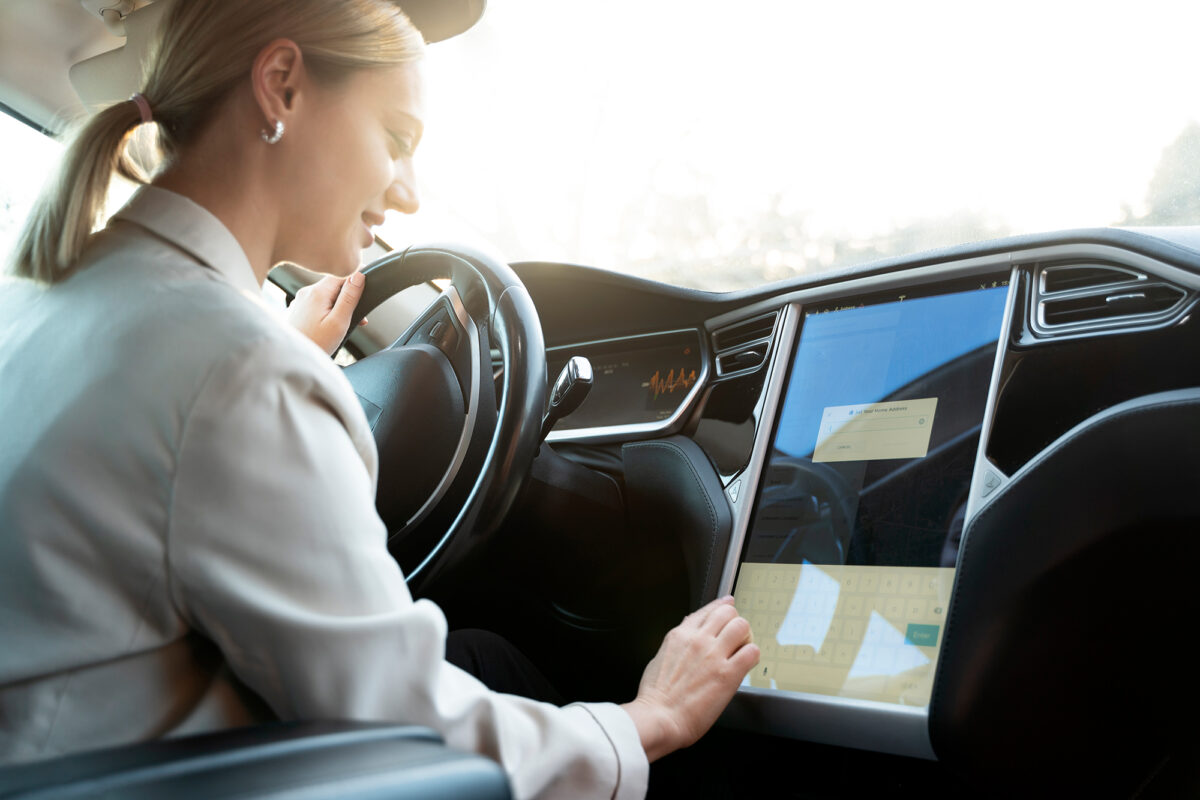
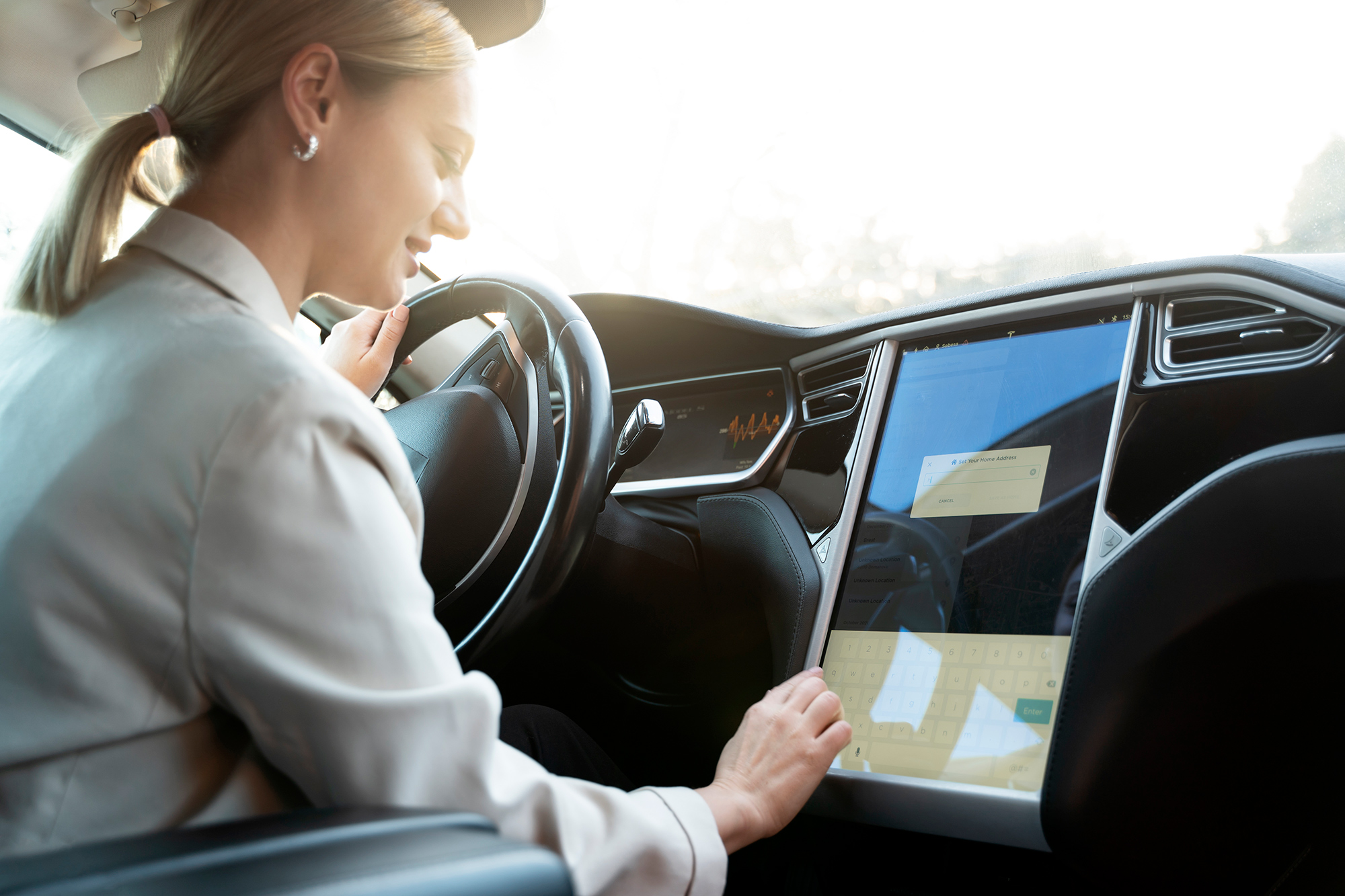
AI is revolutionising how we travel, making transportation smarter, safer, and more efficient. Navigation apps like Google Maps use AI to analyse real-time traffic patterns, suggesting the fastest routes to your destination and even predicting potential delays. Ride-sharing services like Uber and Lyft use AI to match drivers with passengers, optimise routes, and forecast demand in certain areas.
Autonomous vehicles powered by AI represent the future of transportation. These self-driving cars use AI to navigate roads, avoid obstacles, and adhere to traffic laws, potentially reducing the number of accidents caused by human error. While fully autonomous vehicles are still in the testing phase, the AI technology behind them is already enhancing the safety and efficiency of today’s vehicles through advanced driver-assistance systems (ADAS).
5. Shopping and Entertainment: Tailored Experiences
AI enhances shopping and entertainment experiences by offering personalised recommendations based on your preferences and behaviour. When you browse online stores like Amazon, AI algorithms analyse your search history, purchase behaviour, and even the time you spend on certain products to suggest items you might be interested in. This personalised shopping experience saves time and helps you discover products you may not have found otherwise.
Similarly, AI powers recommendation engines on platforms like Netflix, Spotify, and YouTube. By analysing your viewing or listening habits, AI suggests content that aligns with your tastes, ensuring a more enjoyable and tailored entertainment experience. This enhances user satisfaction and keeps engagement levels high, as you’re more likely to find content that resonates with you.
6. Education and Learning: Customised Learning Paths
AI is making significant educational strides, offering personalised learning experiences catering to individual needs. AI-powered platforms like Duolingo and Khan Academy use adaptive learning technology to tailor lessons based on a student’s progress, strengths, and areas for improvement. This approach ensures learners receive easy and challenging content, keeping them engaged and motivated.
In higher education and professional development, AI can assist in creating customised learning paths. By analysing a student’s performance and learning style, AI can recommend courses, resources, and study schedules that optimise learning outcomes. AI-driven tutoring systems can also provide instant feedback and support, helping students to grasp complex concepts more quickly.
7. Workplace Productivity: Enhancing efficiency
AI tools are increasingly being integrated into workplaces to enhance productivity and efficiency. From automating routine tasks like data entry and scheduling to providing intelligent insights through data analysis, AI is helping employees focus on more strategic and creative aspects of their work. AI-driven platforms like Grammarly can even assist in writing, offering suggestions to improve clarity, tone, and correctness.
In addition to individual productivity, AI is transforming how teams collaborate. AI-powered project management tools can track progress, assign tasks, and predict potential bottlenecks, ensuring that projects stay on track. Virtual meeting assistants can transcribe meetings, highlight key points, and even suggest follow-up actions, making remote work more efficient and organised.
8. Financial Management: Smarter Decisions
AI is increasingly important in personal finance, helping individuals manage their money more effectively. AI-driven apps like Mint and YNAB analyse spending patterns, categorise expenses, and provide insights into where you can save. These tools can also create personalised budgets and offer alerts when you’re approaching spending limits, helping you to stay on top of your finances.
For investments, AI-powered robo-advisors like Betterment and Wealthfront offer personalised investment strategies based on your financial goals, risk tolerance, and market conditions. By continuously analysing market data, these AI systems can adjust your portfolio, ensuring that your investments are optimised for maximum returns with minimal risk.
9. Communication: Breaking Language Barriers
AI is making communication more straightforward and accessible across language barriers. Translation tools like Google Translate use AI to translate text, speech, and even images in real-time, making communicating with people who speak different languages more accessible. These tools are handy when travelling, working in international teams, or consuming foreign-language content.
In addition to translation, AI-driven language models like ChatGPT (which powers this article) can assist in drafting emails, creating content, and even holding conversations, enhancing communication efficiency and effectiveness.
10. Ethical Considerations and Challenges
While AI offers numerous benefits in everyday life, it also presents challenges that must be addressed. Privacy concerns are paramount, as AI systems often rely on vast amounts of personal data to function effectively. Ensuring this data is handled securely and ethically is crucial to maintaining trust in AI technologies.
Moreover, as AI systems become more integrated into daily life, there is a risk of over-reliance on these technologies. Balancing the convenience of AI with the need for human judgment and decision-making is essential to ensure that AI enhances rather than diminishes our autonomy.
Conclusion
AI is transforming our everyday lives in ways that were once the stuff of science fiction. From making our homes smarter and our work more efficient to enhancing our health and wellness, AI is becoming an indispensable part of daily life. As we continue to embrace these technologies, we must remain mindful of their ethical considerations and potential challenges. By doing so, we can harness the power of AI to improve our lives while ensuring its benefits are shared equitably and responsibly.
Disclaimer: This article is based on information gathered from various online sources and intended only for informational purposes. It does not constitute professional advice or recommendations. While the information provided is accurate and true to the best of our knowledge, we make no representations or warranties of any kind, express or implied, regarding the completeness, accuracy, reliability, suitability, or availability of the topics covered. We strongly advise readers to conduct further research and consult appropriate professionals or experts before making any decisions based on the information presented in this article. We disclaim any liability for losses or damages incurred based on the information provided herein.