-
Image
-
Publish in core platform
Yes
-
Link Type
Organization url
-
Digital technology / specialisation
Artificial IntelligenceDigital skill level
Basic Intermediate AdvancedGeographic Scope - Country
MaltaType of initiative
Local initiative

Malta Digital Skills and Jobs Platform (LISP)

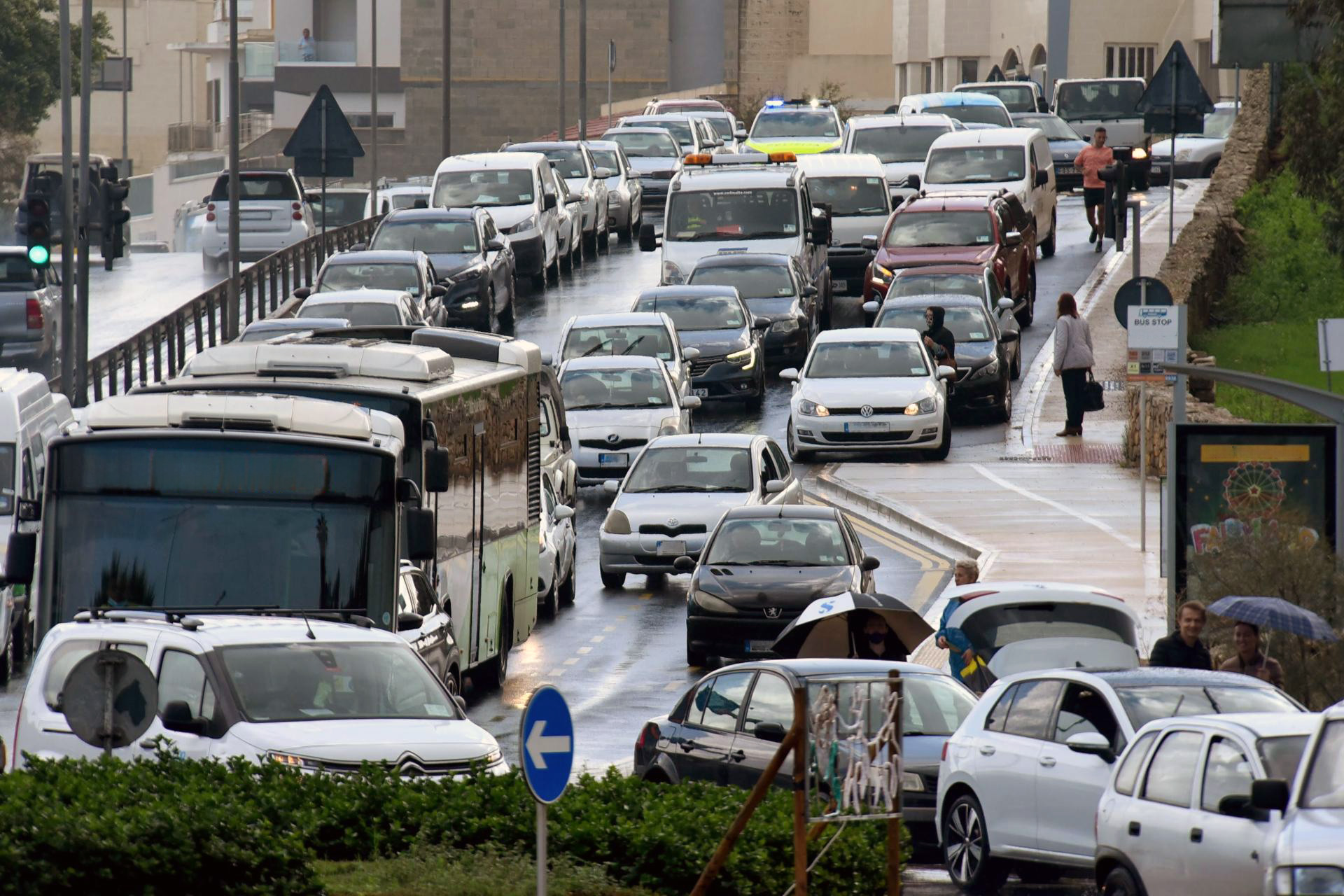
With its narrow roads and high vehicle density, Malta often faces significant traffic congestion, especially during peak tourist seasons. The situation is further aggravated by frequent road closures due to construction and development projects. These closures disrupt daily commutes and extend travel times, impacting both locals and tourists. The combination of ongoing construction and the strained infrastructure makes navigating the island particularly challenging, emphasising the need for strategic traffic management and infrastructure improvements.
Real-Time Traffic Management
AI can improve real-time traffic management by analysing data from various sources such as traffic cameras, GPS devices, and mobile phones. This data helps AI systems understand current traffic conditions and predict future congestion. AI can then adjust traffic light timings dynamically to optimise traffic flow and reduce congestion. For example, during rush hours or when a road is blocked due to an accident, AI can alter traffic signals to divert traffic to less congested routes.
Smart Traffic Signals
AI-powered intelligent traffic signals can significantly reduce waiting times at intersections. These signals use sensors to detect the number of vehicles waiting at a junction and adjust the signal timings accordingly. This adaptive approach ensures traffic moves more smoothly, reducing delays and fuel consumption. In Malta’s busy urban areas, such systems can help manage the flow of vehicles more efficiently.
Traffic Prediction and Route Optimisation
AI algorithms can predict traffic patterns by analysing historical traffic data and real-time information. Based on these predictions, AI can suggest optimal routes for drivers, helping them avoid congested areas. Navigation apps like Google Maps and Waze already use AI to provide real-time traffic updates and route suggestions. Integrating these AI capabilities into Malta’s public transportation and ride-sharing services can further enhance route optimisation, reducing travel times and congestion.
Autonomous Vehicles
Autonomous vehicles powered by AI have the potential to transform traffic management in Malta. These vehicles and traffic management systems can communicate with each other to optimise routes, reduce traffic jams, and enhance road safety. While widespread adoption of autonomous vehicles may still be in the future, pilot projects and gradual integration of self-driving cars can pave the way for a smoother and more efficient traffic system.
Public Transportation Management
AI can also improve the efficiency of Malta’s public transportation system. By analysing passenger data and traffic conditions, AI can optimise bus and ferry schedules, ensuring that services are aligned with demand. AI can predict peak travel times and adjust frequencies to minimise passenger waiting times. Additionally, AI can provide real-time updates to commuters, helping them plan their journeys better.
Smart Parking Solutions
Finding parking can majorly contribute to traffic congestion, especially in busy areas. AI-powered intelligent parking systems can help drivers locate available parking spaces quickly. These systems use sensors and cameras to monitor parking availability and guide drivers to free spots through a mobile app. By reducing the time spent searching for parking, AI can help decrease overall traffic congestion.
Incident Detection and Management
AI can play a crucial role in incident detection and management. Through video surveillance and sensor data, AI systems can quickly identify accidents, breakdowns, or other incidents on the road. Once an incident is detected, AI can notify emergency services and provide alternative route suggestions to drivers, minimising the impact on traffic flow. This rapid response helps clear incidents faster and reduces the risk of secondary accidents.
Promoting Sustainable Transportation
AI can encourage sustainable transportation options such as cycling, walking, and carpooling. AI-powered apps can provide personalised travel recommendations, highlighting the benefits of alternative transportation modes. By promoting carpooling and shared rides, AI can help reduce the number of vehicles on the road, easing traffic congestion and lowering emissions.
AI offers a range of solutions to tackle traffic problems in Malta, from real-time traffic management and intelligent signals to route optimisation and autonomous vehicles. By leveraging these technologies, Malta can create a more efficient, safer, and sustainable transportation system, benefiting residents and visitors. As AI technology advances, its integration into traffic management will become even more critical in addressing the unique challenges of Malta’s road network.
Disclaimer: This article is based on information gathered from various online sources and intended only for informational purposes. It does not constitute professional advice or recommendations. While the information provided is accurate and true to the best of our knowledge, we make no representations or warranties of any kind, express or implied, regarding the completeness, accuracy, reliability, suitability, or availability of the topics covered. We strongly advise readers to conduct further research and consult appropriate professionals or experts before making any decisions based on the information presented in this article. We disclaim any liability for losses or damages incurred based on the information provided herein.