-
Image
-
Publish in core platform
Yes
-
Link Type
Organization url
-
Digital technology / specialisation
Artificial IntelligenceDigital skill level
Basic Intermediate AdvancedGeographic Scope - Country
MaltaType of initiative
Local initiative

Malta Digital Skills and Jobs Platform (LISP)

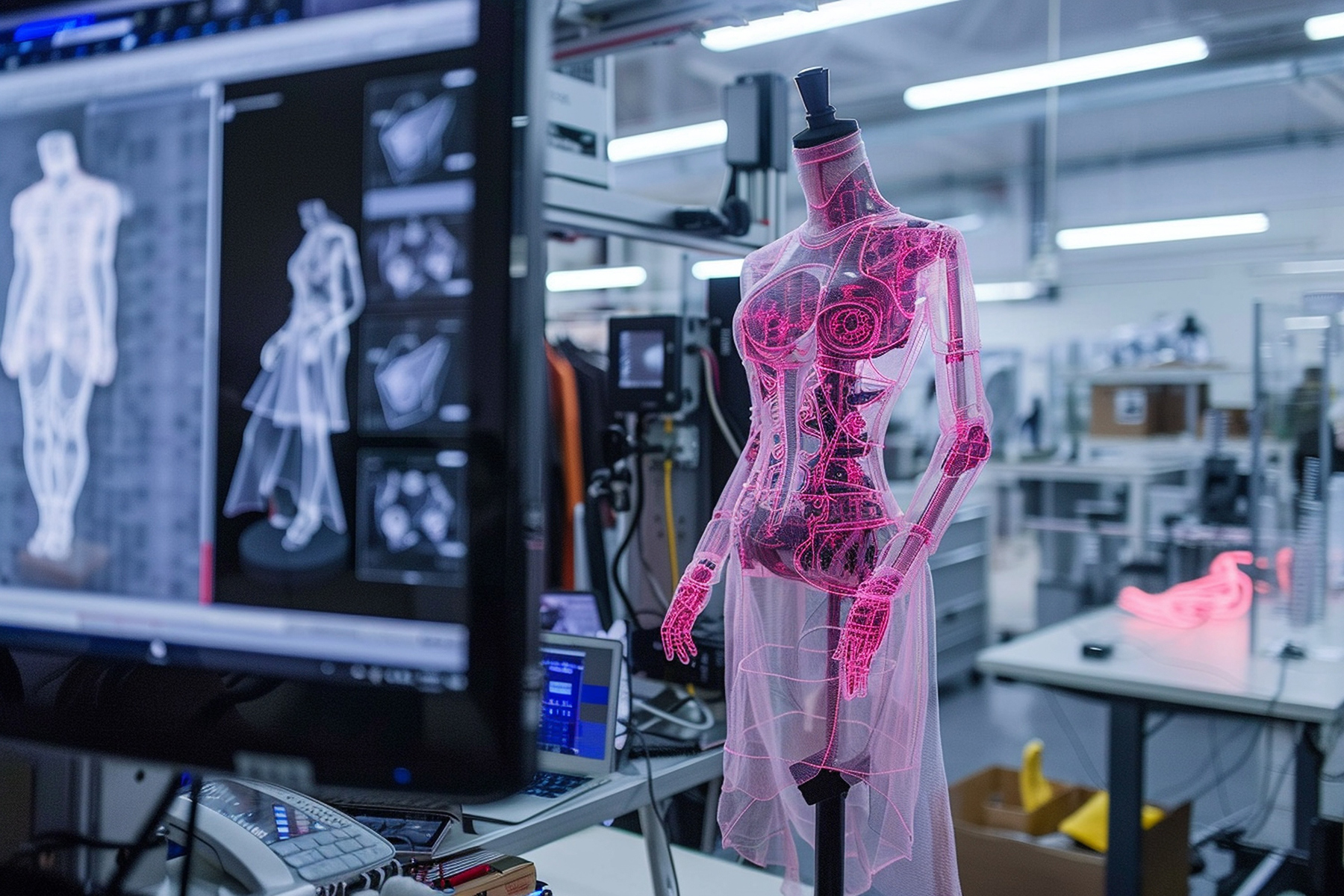
Artificial intelligence (AI), known for its constant evolution and fierce competition, is driving a significant transformation in the fashion industry. From design and production to marketing and retail, AI is revolutionising how fashion businesses operate, offering unprecedented opportunities for innovation, efficiency, and personalisation. This article explores the various ways AI is utilised in the fashion industry and its benefits to different facets of the business.
AI in Fashion Design
1. Trend Forecasting:
– Data Analysis: AI algorithms analyse vast amounts of data from social media, fashion shows, and retail trends to predict upcoming styles and consumer preferences. This enables designers to create collections that align with market demands.
– Predictive Analytics: By examining historical data and current trends, AI can forecast which colours, fabrics, and styles will be popular in future seasons, helping designers stay ahead of the curve.
2. Creative Assistance:
– Design Automation: AI-powered tools can generate design templates and suggest modifications, streamlining the creative process. This allows designers to experiment with new ideas quickly and efficiently.
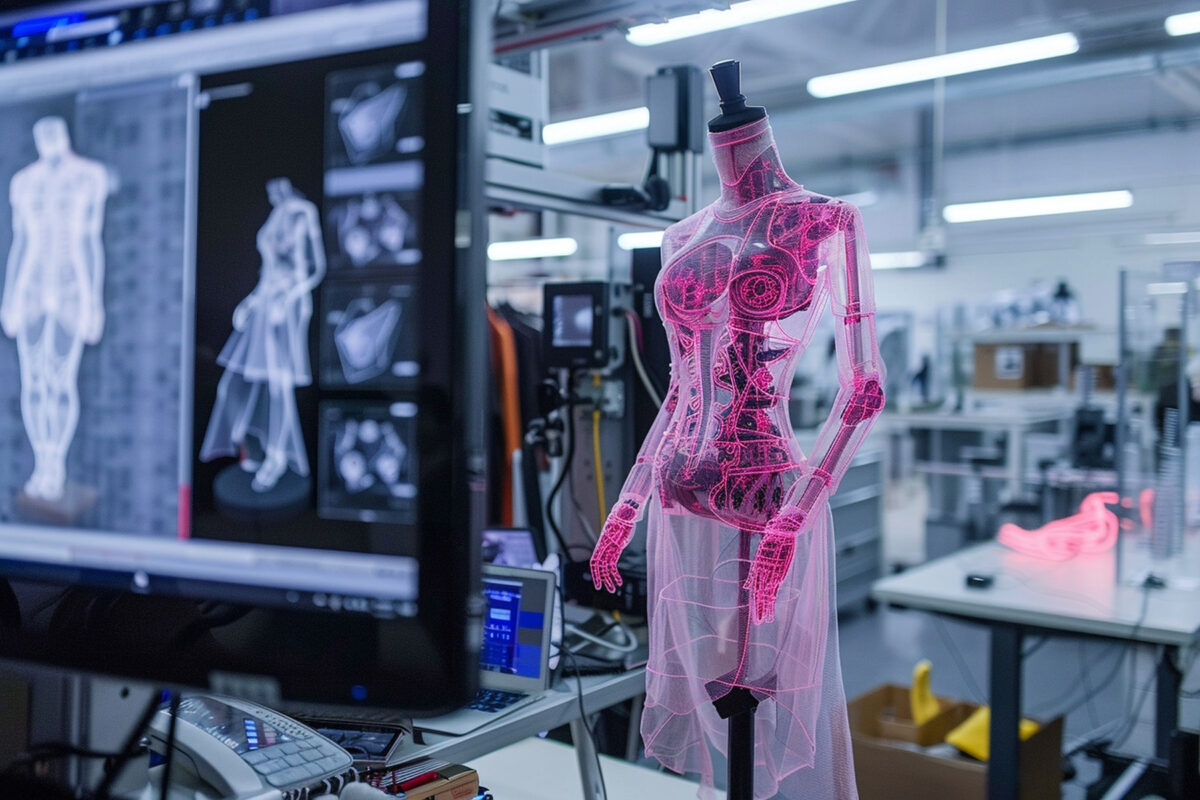
– Virtual Prototyping: AI enables virtual prototyping, reducing the need for physical samples. Designers can visualise their creations in 3D, adjust, and receive instant feedback.
AI in Production and Supply Chain
1. Inventory Management:
– Demand Forecasting: AI systems predict demand for different products, helping businesses optimise inventory levels and reduce overproduction or stockouts. This leads to cost savings and improved customer satisfaction.
– Supply Chain Optimisation: AI can analyse supply chain data to identify bottlenecks and inefficiencies, ensuring timely production and delivery of fashion items.
2. Quality Control:
– Automated Inspection: AI-powered image recognition tools can detect defects in fabrics and garments during production. This ensures high-quality standards are maintained without the need for manual inspections.
AI in Marketing and Customer Engagement
1. Personalised Marketing:
– Customer Insights: AI analyses customer data to create detailed profiles and preferences. This information is used to tailor marketing campaigns, product recommendations, and personalised offers, enhancing customer engagement and loyalty.
– Chatbots and Virtual Assistants: AI-driven chatbots provide instant customer support, answer queries, and assist with purchases. They enhance the shopping experience by offering personalised product suggestions based on customer interactions.
2. Social Media and Influencer Marketing:
– Sentiment Analysis: AI tools analyse social media conversations to gauge public sentiment about brands and products. This helps businesses understand consumer perceptions and adjust their marketing strategies accordingly.
– Influencer Identification: AI can identify the most influential social media personalities for specific target audiences, ensuring more effective and authentic influencer partnerships.
AI in Retail and E-commerce
1. Virtual Try-Ons:
Augmented Reality (AR): AI-powered AR applications allow customers to try on clothes and accessories virtually using their smartphones. This reduces the need for physical fitting rooms and enhances the online shopping experience.
– Size and Fit Recommendations: AI algorithms analyse customer measurements and preferences to recommend the best-fitting products, reducing the likelihood of returns and increasing customer satisfaction.
2. Visual Search:
– Image Recognition: Customers can upload photos of clothing items they like, and AI-powered visual search engines will find similar products. This simplifies the shopping process and helps customers find exactly what they want.
The Future of AI in Fashion
The integration of AI in the fashion industry is still in its early stages, with vast potential for further innovation. Future advancements may include AI-driven sustainable practices, such as optimising resource usage and minimising waste, as well as the development of intelligent fabrics that can adapt to environmental conditions or monitor the wearer’s health.
Conclusion
AI undeniably transforms the fashion industry, bringing about efficiencies, creativity, and enhanced customer experiences. By leveraging AI, fashion businesses can stay ahead in a highly competitive market, anticipate trends, and deliver personalised consumer experiences. As technology continues to evolve, the fashion industry will undoubtedly witness even more groundbreaking applications of AI, cementing its role as a driving force behind the future of fashion.
Disclaimer: This article is based on information gathered from various online sources and intended only for informational purposes. It does not constitute professional advice or recommendations. While the information provided is accurate and true to the best of our knowledge, we make no representations or warranties of any kind, express or implied, regarding the completeness, accuracy, reliability, suitability, or availability of the topics covered. We strongly advise readers to conduct further research and consult appropriate professionals or experts before making any decisions based on the information presented in this article. We disclaim any liability for losses or damages incurred based on the information provided herein.