-
Image
-
Publish in core platform
Yes
-
Link Type
Organization url
-
Digital technology / specialisation
Artificial Intelligence Augmented RealityDigital skill level
Basic Intermediate AdvancedGeographic Scope - Country
MaltaType of initiative
Local initiative

Malta Digital Skills and Jobs Platform (LISP)

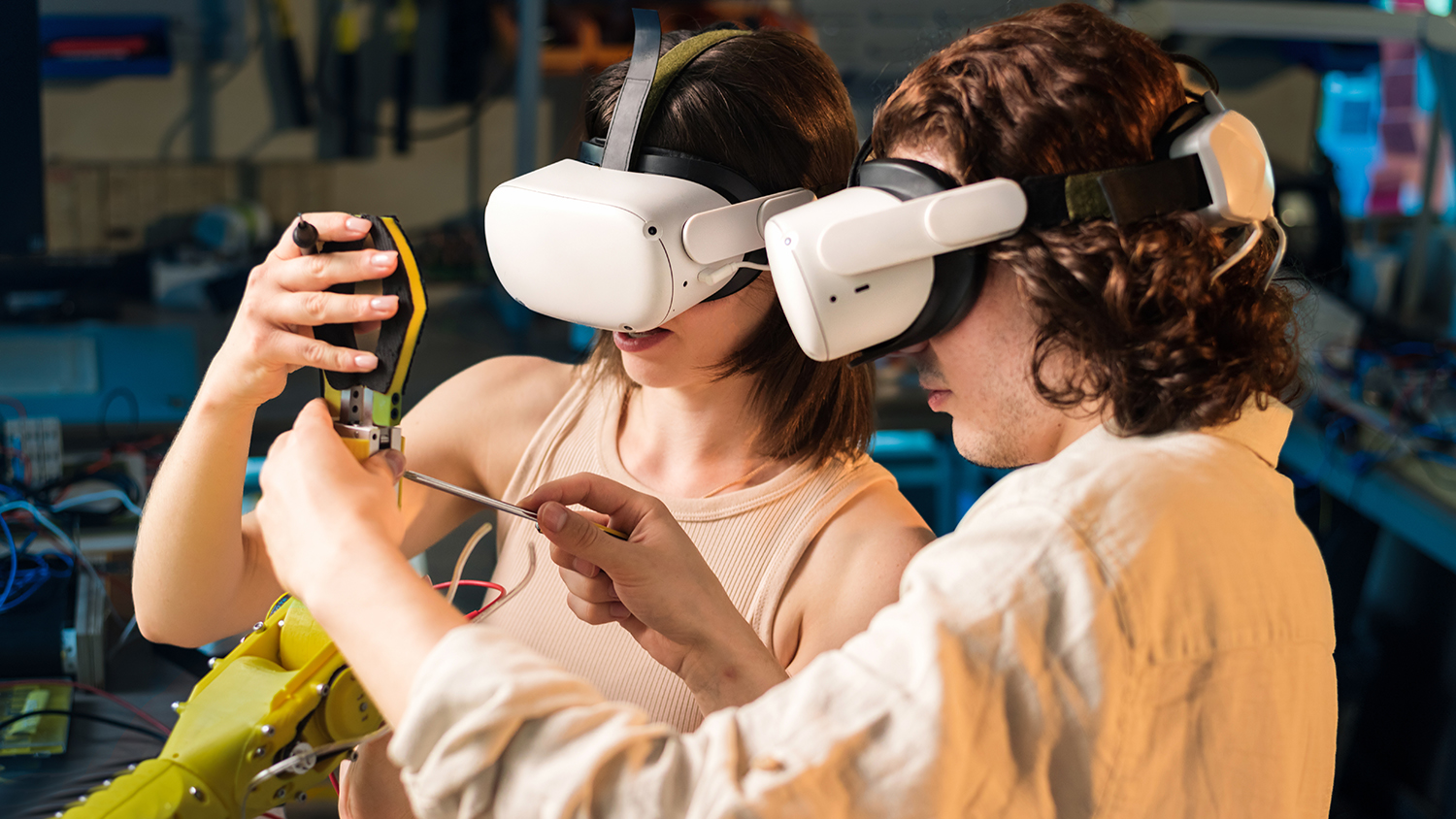
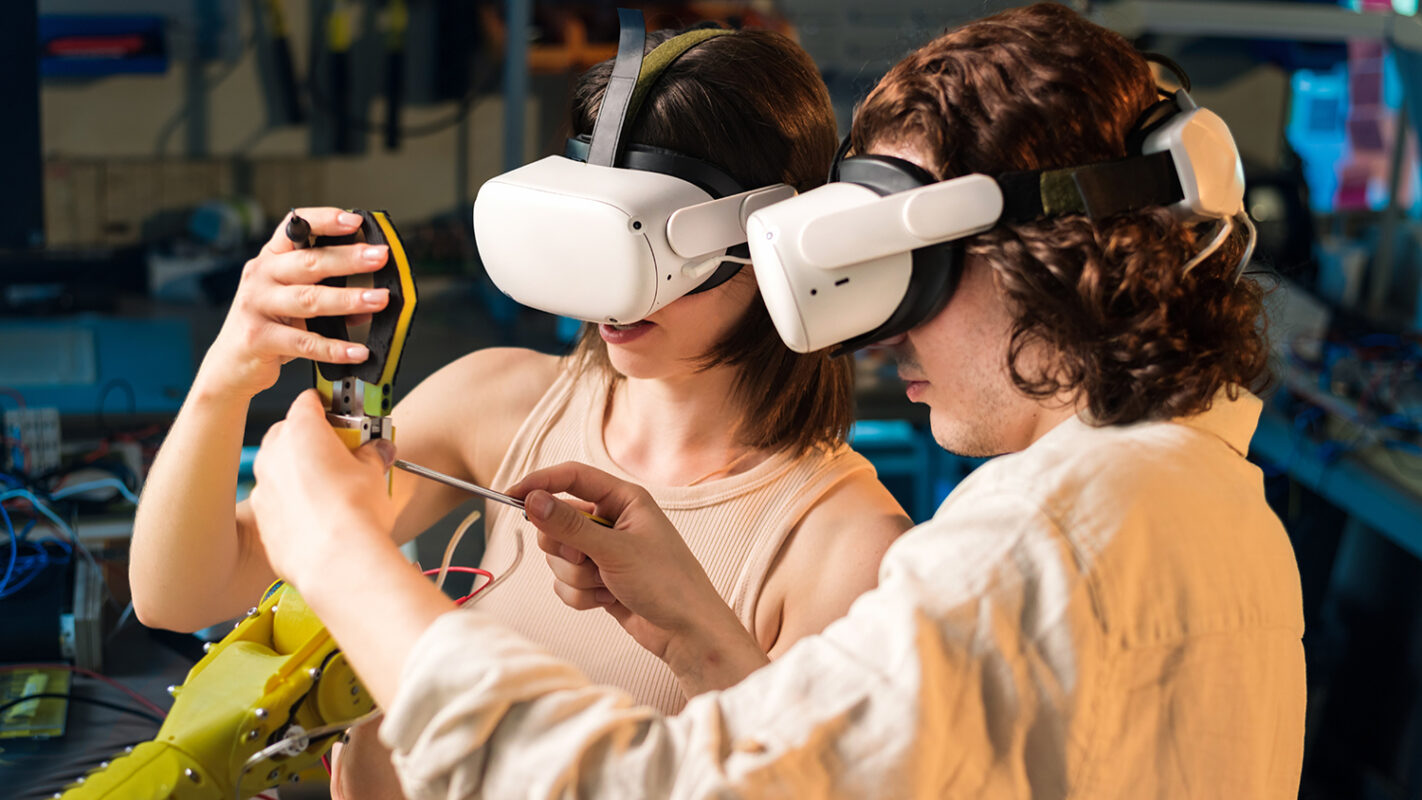
Augmented Reality (AR) and Virtual Reality (VR) are transformative technologies that have revolutionized the way we interact with digital content and environments. AR overlays digital information onto the real world, enhancing our perception and interaction with our surroundings. In contrast, VR immerses users in entirely virtual environments, creating immersive experiences that can simulate real or imagined worlds. These technologies have gained significant traction across various industries, offering unique applications and promising career opportunities for digital enthusiasts.
Applications and Career Opportunities in AR/VR
AR and VR technologies have a wide array of applications, transforming sectors such as gaming, education, healthcare, retail, and architecture. In gaming, VR provides players with immersive experiences that take them into the heart of digital worlds, offering unparalleled engagement and interaction. Games like Beat Saber and Half-Life: Alyx are prime examples of VR’s potential to create captivating gaming experiences. Meanwhile, AR has revolutionized gaming with applications like Pokémon GO, which blends digital characters with real-world environments.
In education, AR and VR offer innovative ways to engage students and enhance learning. VR can transport students to historical sites, inside the human body, or to distant planets, making learning interactive and impactful. AR, on the other hand, can bring textbooks to life by overlaying digital information, 3D models, and animations on physical pages, providing an enriched learning experience.
The healthcare industry also benefits significantly from AR and VR technologies. VR simulations are used for surgical training, allowing surgeons to practice procedures in a risk-free virtual environment. This training can improve surgical skills and patient outcomes. AR assists surgeons during actual procedures by overlaying critical information, such as patient vitals and 3D visualizations of anatomy, directly onto their field of view, enhancing precision and efficiency.
In retail, AR enhances the shopping experience by allowing customers to visualize products in their own space before making a purchase. Applications like IKEA Place enable users to place furniture virtually in their homes to see how it fits and looks. VR, on the other hand, can create immersive virtual stores where customers can browse and shop from the comfort of their homes.
Architecture and real estate are also transformed by AR and VR. Architects use VR to walk clients through virtual models of buildings, providing a sense of scale and space before construction begins. AR can overlay design elements onto physical spaces, helping architects and clients make informed decisions about design and modifications.
Career opportunities in AR and VR are expanding rapidly, reflecting the growing demand for skilled professionals in this burgeoning field. Roles include AR/VR developers, designers, content creators, and specialists in spatial computing. These professionals work on creating and optimizing immersive experiences, ensuring that AR and VR applications are both functional and engaging.
Skills and Tools Needed to Develop AR/VR Content
Developing AR and VR content requires a blend of technical skills and creativity. Proficiency in programming languages such as C#, C++, or UnityScript is essential for developing VR applications. Familiarity with frameworks like Unity or Unreal Engine is crucial for content creation, as these platforms provide the necessary tools to build and optimize AR and VR experiences. Designers need skills in 3D modelling, animation, and spatial design to create realistic and immersive environments. Understanding UX/UI principles is also important to ensure that user interfaces within these virtual worlds are intuitive and user-friendly.
Conclusion
In summary, AR and VR technologies offer exciting prospects for innovation across a variety of industries, from enhancing consumer experiences to revolutionizing training and simulation. As these technologies continue to evolve, acquiring the necessary skills and tools will be crucial for professionals aiming to thrive in the dynamic and expanding AR/VR landscape. The future holds immense potential for AR and VR, promising to further integrate digital and physical worlds and transform how we live, work, and play.
Disclaimer: This article is based on information gathered from various online sources and intended only for informational purposes. It does not constitute professional advice or recommendations. While the information provided is accurate and true to the best of our knowledge, we make no representations or warranties of any kind, express or implied, regarding the completeness, accuracy, reliability, suitability, or availability of the topics covered. We strongly advise readers to conduct further research and consult appropriate professionals or experts before making any decisions based on the information presented in this article. We disclaim any liability for losses or damages incurred based on the information provided herein.