-
Image
-
Publish in core platform
Yes
-
Link Type
Organization url
-
Digital technology / specialisation
Artificial IntelligenceDigital skill level
Basic Intermediate AdvancedGeographic Scope - Country
Non-EU MaltaType of initiative
Local initiative

Malta Digital Skills and Jobs Platform (LISP)

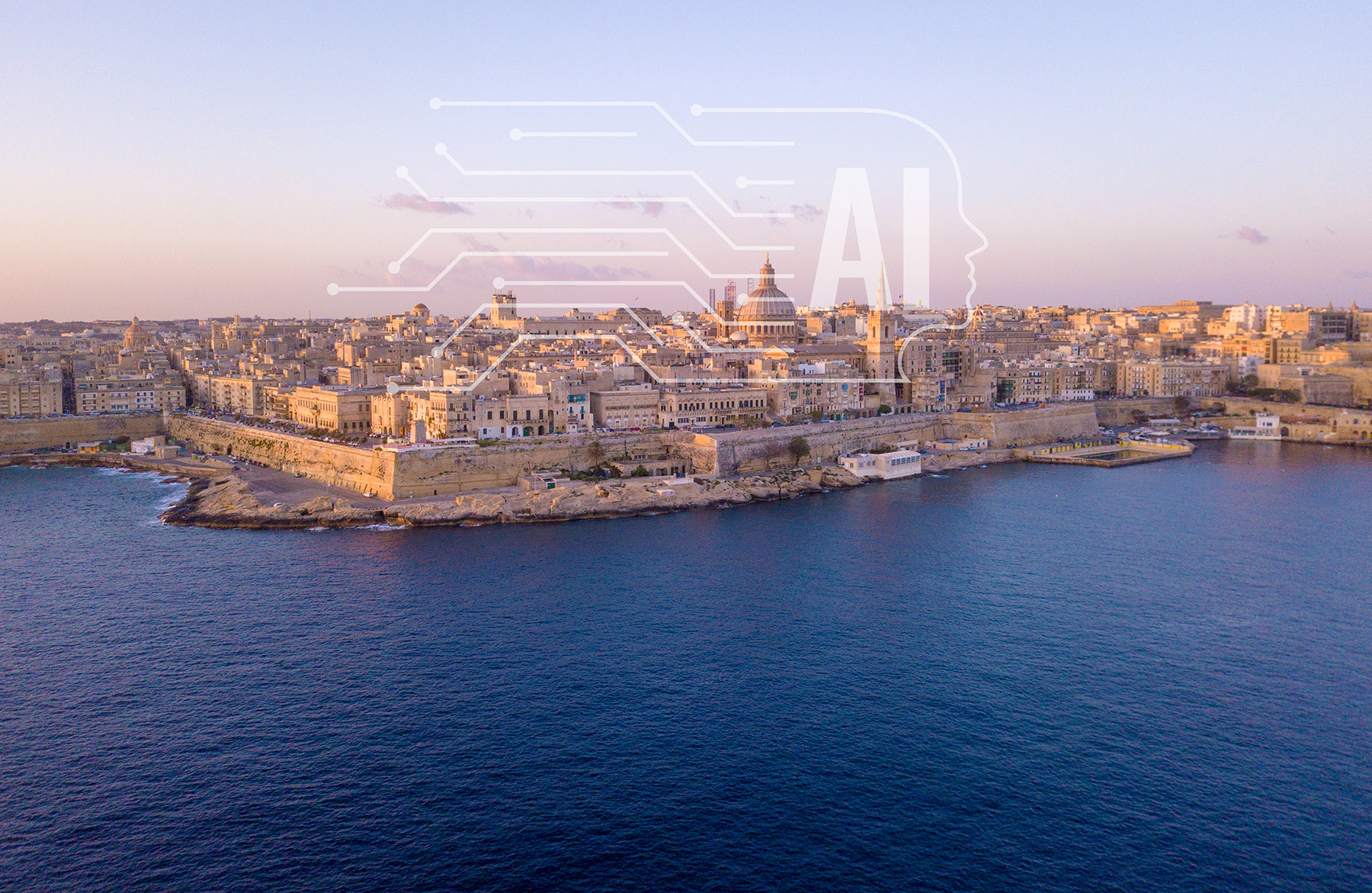
Artificial intelligence (AI) is making significant changes in various fields worldwide, and architecture is no different. In Malta, a country known for its rich history and unique architecture, AI is starting to play a crucial role in shaping how buildings are designed, constructed, and managed. By integrating AI, Malta can preserve its architectural heritage while embracing modern, efficient, and sustainable building practices.
Improving Design Processes
The design process in architecture is often complex and time-consuming. Architects spend countless hours drafting and revising plans to meet various requirements. AI can simplify this process by generating multiple design options based on specific criteria. For example, suppose an architect in Valletta is designing a new residential building. In that case, they can input requirements such as space, budget, and local regulations into an AI system. AI then produces several design alternatives, allowing the architect to choose the most suitable one; thus, AI saves time and creates new creative possibilities.
Enhancing Construction Efficiency
With its narrow streets and historical buildings, construction in Malta can be challenging. AI can help make this process more efficient. Machine learning algorithms can analyse data from past projects to predict potential issues and optimise construction schedules. Hence, builders can foresee and address problems before they cause delays. Additionally, AI-powered robots can assist in construction tasks, reducing the risk of accidents and increasing precision. For instance, robots can handle repetitive tasks like bricklaying or plastering, ensuring consistency and quality.
Promoting Sustainable Architecture
Sustainability is a growing concern in Malta, where the hot climate and limited resources make energy efficiency a priority. AI can contribute significantly to creating more sustainable buildings. By analysing environmental data, AI can help design buildings that use less energy. For example, AI can determine the best building orientation to maximise natural light and reduce the need for artificial lighting. AI can also manage energy systems in real-time, adjusting heating and cooling based on occupancy and weather conditions, leading to significant energy savings and a reduced carbon footprint.
Personalising Spaces
AI allows for the creation of personalised spaces catering to users’ specific needs and preferences, which can be particularly beneficial for both residential and commercial buildings in Malta. For homes, AI can suggest interior designs that match the lifestyle and tastes of the occupants. In offices, AI can create adaptable workspaces that respond to the changing needs of employees, enhancing productivity and well-being. For example, AI systems can adjust lighting and temperature settings based on the preferences of the people working in the space, creating a more comfortable and productive environment.
Preserving Heritage
One of the unique challenges in Maltese architecture is preserving historical buildings while integrating modern technology. AI can assist in this area as well. Advanced scanning and modelling technologies can create detailed digital replicas of historic sites. These models can be used for restoration projects, ensuring that renovations align with the original structure. AI can also help monitor these buildings’ condition, predicting maintenance needs before they become critical issues.
Future Prospects
The future of AI in Maltese architecture is promising. As AI technology advances, its architecture applications will become even more sophisticated. Fully automated construction processes and intelligent buildings that manage themselves are on the horizon. However, ethical and practical issues, such as data privacy and the impact on employment, must be considered. It is crucial to ensure that the benefits of AI are accessible to all and that its implementation respects Malta’s cultural and historical context.
As discussed in this article, it is evident that AI has the potential to transform architecture in Malta by improving design efficiency, enhancing construction, promoting sustainability, personalising spaces, and preserving heritage. As architects and technologists work together, AI can help create a built environment that honours Malta’s past while embracing the future. This synergy promises a future where Maltese architecture is more efficient, sustainable, and tailored to the needs of its people.
Disclaimer: This article is based on information gathered from various online sources and intended only for informational purposes. It does not constitute professional advice or recommendations. While the information provided is accurate and true to the best of our knowledge, we make no representations or warranties of any kind, express or implied, regarding the completeness, accuracy, reliability, suitability, or availability of the topics covered. We strongly advise readers to conduct further research and consult appropriate professionals or experts before making any decisions based on the information presented in this article. We disclaim any liability for losses or damages incurred based on the information provided herein.